USAupdated 1h ago3 min read
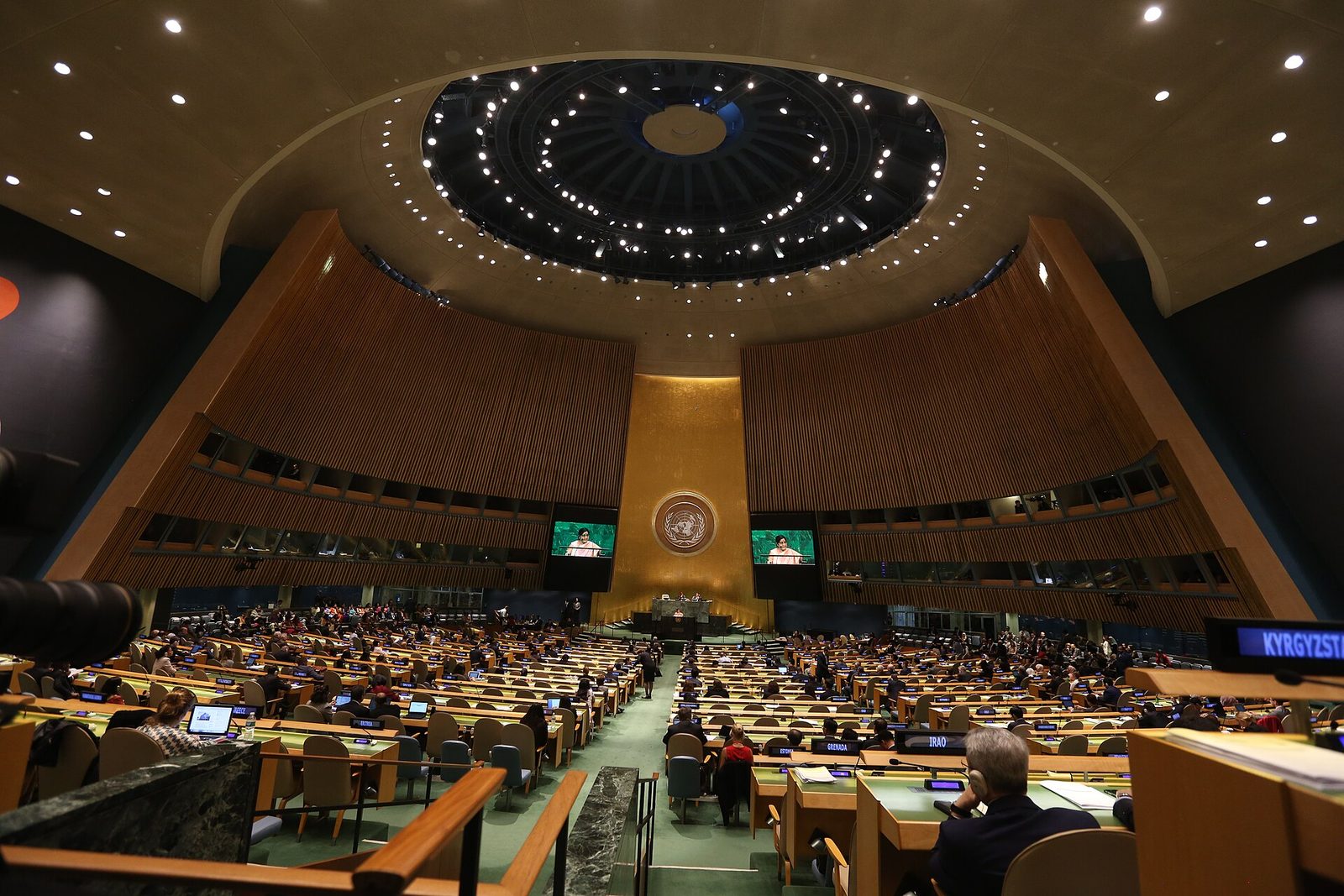
Archive photo · 29 September 2018UN General Assembly Condemns U.S. Economic Embargo on Cuba With 130-17 Vote
9 Western Mainstream5 Other3 Local Western5 Other source typesPhoto: AbhiSuryawanshi, CC BY-SA 4.0 · Cropped for layout
This article is an automated aggregation of coverage from news outlets. Our editorials offer in-depth analysis curated by the NewsCord team.
UN General Assembly votes 130 in favor, 17 against, 25 abstentions to condemn embargo. Support for the resolution declined versus previous year, with several Western countries abstaining.
22 outlets told this the same way.
UN vote, US pressure
The UN General Assembly condemned the U.S. economic embargo of Cuba for the 34th year on Wednesday, with the vote recorded as 130-17 and 25 abstentions.
The South China Morning Post said the vote was 130-17, with 25 abstentions, and described a decrease from last year when more than 160 nations supported the measure.
The ABC News report said the annual resolution has been put before the U.N. General Assembly for the past 34 years and that last year’s vote was 165-7 with 12 abstentions.
The ABC News report also said President Donald Trump’s administration intensified its campaign to undermine Cuba’s socialist government, including by threatening military intervention.
The ABC News report added that tensions between Washington and Havana spilled into public forums at the United Nations, where U.S. Ambassador to the U.N. Mike Waltz and Cuban Foreign Minister Bruno Rodríguez found themselves in a shouting match on the floor of the General Assembly.
Waltz and Rodríguez clash
Mike Waltz told member nations that, “your vote today is the only thing standing between the corrupt, kleptocratic communist regime and using this body and your vote for another propaganda victory at the expense of the Cuban people.”
Bruno Rodríguez responded ahead of the vote by saying, “Cuba is not a threat. The blockade is a threat.”
The ABC News report described Waltz and Rodríguez arguing during the General Assembly debate on Tuesday, with Rodríguez walking down to the podium and calling Waltz a liar while trying to get a point of order.
The ABC News report quoted Waltz saying, “This individual needs to back away from this podium. He’s not going to intimidate me in the United States of America,” as U.N. security and personnel tried to intervene.
The Al Jazeera report said Cuban Foreign Minister Bruno Rodriguez Parrilla posted after the vote that the U.S. was “once again isolated in its attempt to continue strangling the Cuban people” and added, “Neither its most insane pretexts nor its pressures nor media circus will prevail over the force of facts and truth,”.
Diplomatic setback, stakes
The South China Morning Post said Western countries like Germany, Italy and Latvia were among those that refrained from voting for the first time in 34 years. The ADN Cuba report said the resolution obtained 130 votes in favor, 17 against, and 25 abstentions, and described the number of countries rejecting the initiative as the largest on record so far in the annual votes on the embargo. The AP News report said the vote was not legally binding but reflected world opinion, and it described the shift as happening as Cuba weathered deepening financial troubles while the U.S. increased its already punishing economic campaign.
The ABC News report said Trump last week raised the specter of U.S. military intervention, saying U.S. warships could stop over in Cuba on their way back from the Iran war. The CBC report said the U.S. lobbying push led several countries to oppose the resolution or abstain for the first time in years, and it quoted Mike Waltz telling reporters after the vote, “Diplomacy takes time, but now that we’ve had a tripling of countries that have shifted, we expect that to only to continue to grow.”