USAupdated 1h ago3 min read
Archive photo · 2 June 2025Trump Says Mary Peltola Shouldn’t Be Allowed To Run After NYT Ballot Composition Project
“In Alaska, I don’t think Mary Peltola, after perpetrating such a terrible scheme, should be allowed to run, because this is ELECTION FRAUD.”
“U.S. District judge Sharon L. Gleason imposed an emergency schedule in the government’s lawsuit Monday”
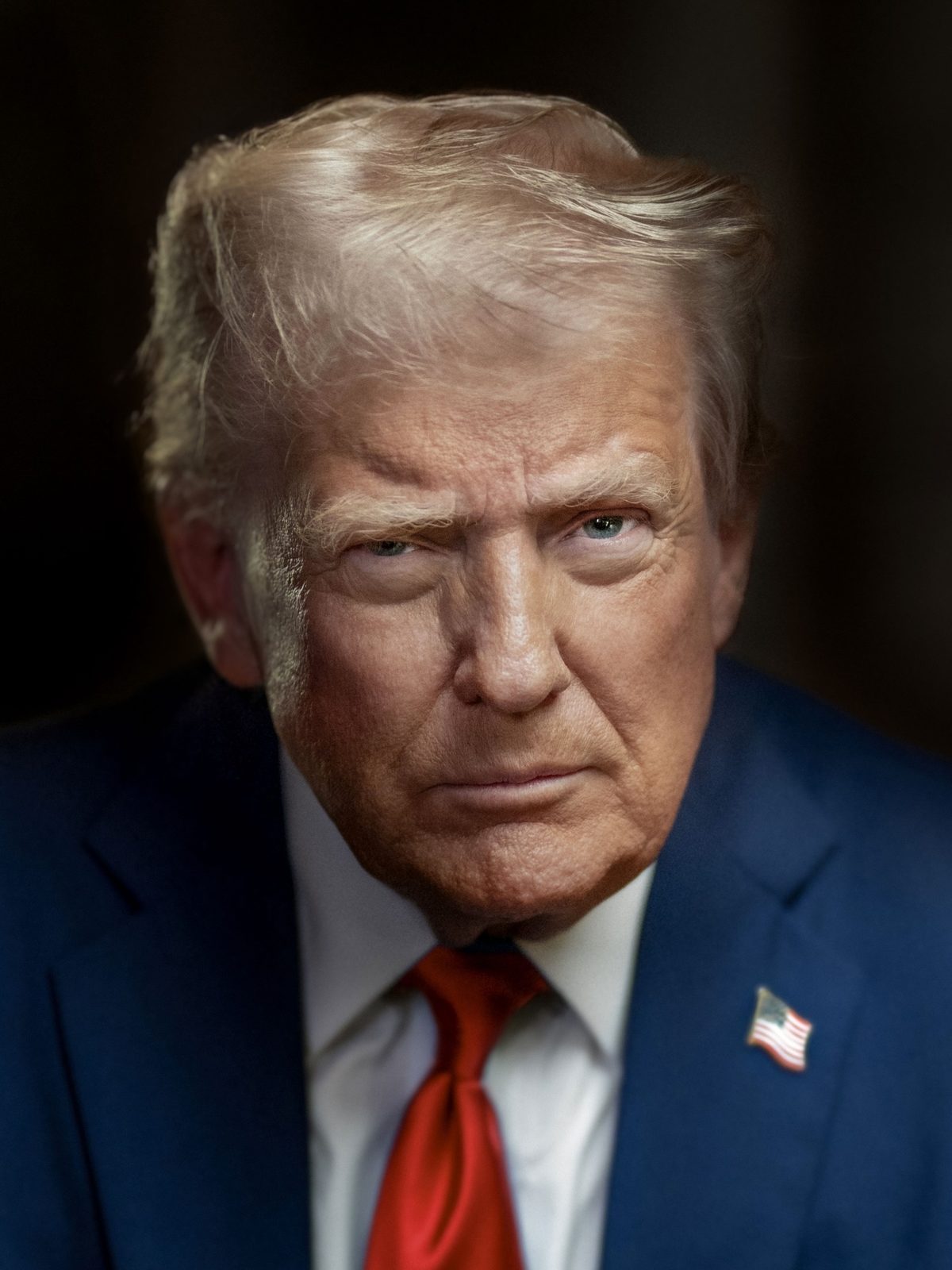
Photo: Daniel Torok / US federal government, Public domain · Cropped for layout
This article is an automated aggregation of coverage from news outlets. Our editorials offer in-depth analysis curated by the NewsCord team.
The New York Times reported Peltola’s campaign sought a Dan Sullivan lookalike. Trump said Peltola shouldn’t be allowed to run after the NYT report.
Dan Sullivan ballot dispute
President Donald Trump said Mary Peltola should not be allowed to run after The New York Times reported that her campaign was linked to an effort to recruit a second Dan Sullivan to appear on Alaska’s Senate ballot.
The New York Times investigation described a covert operation internally dubbed the “ballot composition project,” which allegedly involved aides from the Democratic Senatorial Campaign Committee (DSCC), top campaign advisors, party lawyers and an operative who traveled across the state under assumed names.
Elisa Rios, Peltola’s former campaign manager who was fired in August, told The Times that while Peltola was not directly involved, she was “definitely aware.”
Trump also argued that the effort began in the summer of 2025, when a Peltola staffer was directed to comb through state voter rolls to compile a list of Alaskans named Dan Sullivan, according to the report.
The report said the plan worked earlier this year when Dan J. Sullivan, a retired teacher and left-leaning voter from Petersburg, switched his voter registration to Republican shortly before filing his candidacy in the Senate race.
Vance calls it fraud
Vice President Vance said placing a candidate on the ballot with a similar name to the incumbent could mislead voters, describing the move as “the definition of electoral fraud.”
Vance responded to a question about whether it was insulting that the administration appeared to suggest voters could not distinguish between the two candidates on their ballots.
Trump’s Department of Justice lawsuit sought to block certification of the Alaska Senate election if incumbent Republican Senator Dan S. Sullivan does not win, with the presence of Daniel J. Sullivan Jr. on the ballot cited as a source of voter confusion.
U.S. District judge Sharon L. Gleason imposed an emergency schedule in the government’s lawsuit Monday, agreeing to fast-track consideration for Peltola’s campaign and voting rights group League of Women Voters of Alaska to intervene.
Newsweek reported that the Alaska election board defended the ballots by saying it printed the ballots “without legal challenge” in the months before voting opened.
Court timetable and stakes
The legal fight moved on a fast-track timetable, with DOJ required to respond to motions to intervene by 5 p.m. on Tuesday, October 27, and with the judge intending to rule by 5 p.m. on October 28p.
Newsweek said Peltola’s campaign filed court papers on Sunday seeking permission to intervene to pursue the swift dismissal of the suit and prevent Trump and Attorney General Todd Blanche using it “to falsely suggest that there is doubt about the lawfulness of Alaska's election results, without any legal basis” and “lay the groundwork for unlawful efforts to challenge a potential Peltola victory.”
The Conversation described the DOJ lawsuit as seeking to block certification of the U.S. Senate results in Alaska if the GOP candidate does not win, and it said the DOJ claims the aim is “protect the integrity of the 2026 Senate election in Alaska.”
The Conversation also quoted a court filing that said the DOJ lawsuit “asks the Court to preemptively nullify Alaska’s U.S. Senate election and disenfranchise Alaska voters without any legal basis whatsoever.”
The Conversation framed the dispute as a constitutional question, saying “The U.S. Constitution gives the president no authority over federal elections,” with authority resting with the states and, to a limited degree, with Congress.