Technology and Science16 September, 20263 min read
United States Pressures Mexico To Tighten AI Hardware Exports Amid USMCA Talks
This article is an automated aggregation of coverage from news outlets. Our editorials offer in-depth analysis curated by the NewsCord team.
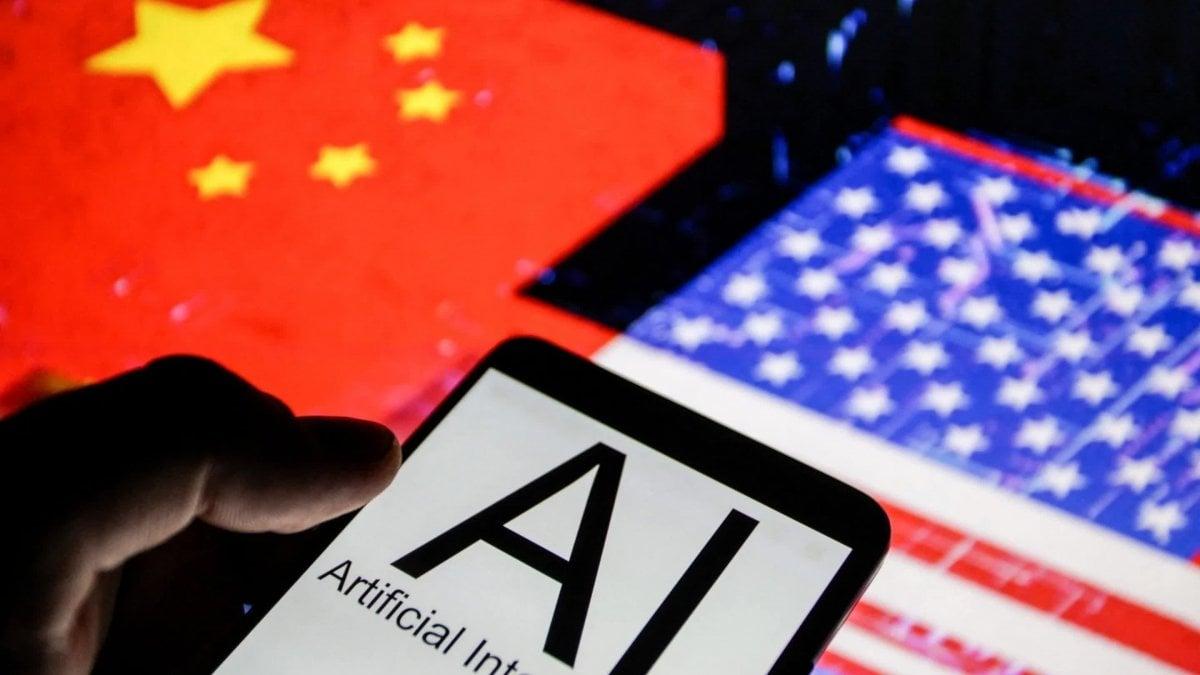
US pressure Mexico to tighten AI hardware export rules to curb Chinese evasion via transit AI servers now top Mexico-US exports, surpassing cars
6 outlets told this the same way.
US pressures Mexico on AI
The United States is pressuring Mexico to strengthen its export rules to prevent Chinese AI equipment from bypassing import duties by transiting through Mexico, a move framed within USMCA negotiations to update the United States–Mexico–Canada Agreement. Trade data cited in the reporting show that AI servers now exceed cars as the top export product from Mexico to the United States, and computer imports through the Laredo, Texas border crossing rose from about $6 billion (€5.2 billion) per year between 2021 and 2023 to more than $30 billion (€26 billion) in 2025. The reporting says Mexican exports of AI data center servers to the United States rose by more than 170 percent in the first half of this year, surpassing the automotive sector as Mexico’s top export to the United States.
A proposed framework for IT hardware would mirror the automotive rule requiring 75 percent of a vehicle’s content to be of North American origin to qualify for exemption from duties, and the reporting warns it could disrupt global supply chains of manufacturers such as Foxconn and Nvidia. Senator Bernie Moreno highlighted the need to prevent North American trade agreements from serving as gateways allowing China to bypass existing trade barriers, as the United States fears Mexico has become a backdoor for Chinese technology.

Trump rejects global AI rules
U.S. President Donald Trump said on Monday (Sept. 14) that the United States already has guardrails to regulate and crack down on artificial intelligence (AI) companies that violate rules, quelling calls for global regulation of the industry.
In a post on Truth Social, Trump said that the only control AI needed was a strong and intelligent president, and he also warned that doubts about AI development in the United States could benefit China.
The reporting says Trump is due to meet Chinese President Xi Jinping in Washington next week, and it adds that Reuters reported the United States and China planned separate mid-September meetings to discuss AI risks.
The same reporting quotes Trump describing calls for industry regulation of AI as a “hoax,” while U.S. Vice President JD Vance said he was skeptical of AI leaders who ask the government to regulate the industry.
It also reports that Reuters said three U.S. senators were working on a bill requiring AI companies to demonstrate that they had taken reasonable preventive measures to ensure their technology does not cause harm.
China frames loss of control
China is preparing for the risk that AI could slip beyond human control, with Reuters reporting that policymakers are focusing on how to contain AI risks through technical standards, regulation, and state surveillance. The reporting says a directive published in May by the Chinese cyberspace regulatory authority, the planning body and the Ministry of Industry identifies “loss of operational control” as a safety risk for AI agents, and it requires developers to improve their ability to detect, intervene, block, and remedy inappropriate agent behaviors. China has also begun drafting a mandatory national standard on the safety of AI agents, and Reuters reports that Wang Lihong, senior official at the cyberspace regulator, said on September 1 that particular vigilance was required toward cutting-edge models that bypass test environments.
“The rules require developers to improve their ability to detect, intervene, block, and remedy inappropriate agent behaviors.”
Reuters further reports that China’s State Security Minister Chen Yixin warned in state media that advanced American models, such as Anthropic’s “Mythos” and OpenAI’s “GPT-5.5-Cyber,” could pose serious risks to China’s critical infrastructure. In the same Reuters reporting, the document states that it cannot be ruled out that in the future AI could autonomously obtain external resources, reproduce, develop self-awareness, and seek external power, creating a risk of rivalry with humans.