South America11 January, 20264 min read
U.S. Allegedly Deploys Sonic Weapon In Raid To Capture Maduro, Venezuelan Soldiers Bleed And Collapse
This article is an automated aggregation of coverage from news outlets. Our editorials offer in-depth analysis curated by the NewsCord team.
U.S. forces captured Nicolás Maduro during a high-risk operation in Caracas News outlets reported U.S. forces used a sonic weapon causing nosebleeds and vomiting

7 outlets told this the same way.
Outlets did split on Brazil Police Kill Suspect After 13 Kindergarteners Held Hostage In Curitiba →
Alleged raid and sonic effects
On Jan. 3, multiple outlets reported an audacious U.S. operation aimed at capturing Venezuelan president Nicolás Maduro.
“Reports have emerged alleging that a high-risk U.S. operation on Jan. 3 aimed at capturing Venezuelan leader Nicolás Maduro involved advanced or experimental weaponry.”
Several sources said Venezuelan authorities and witnesses described an unusual "sound-wave" or "sonic" effect that left troops bleeding, vomiting and collapsing.
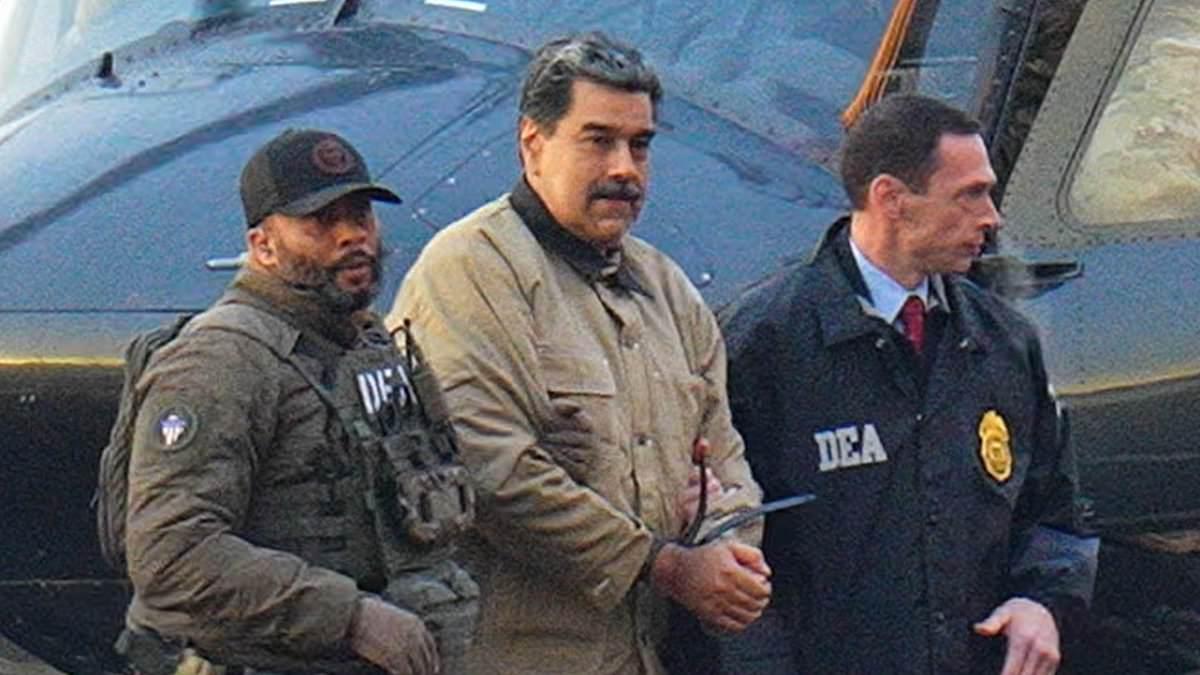
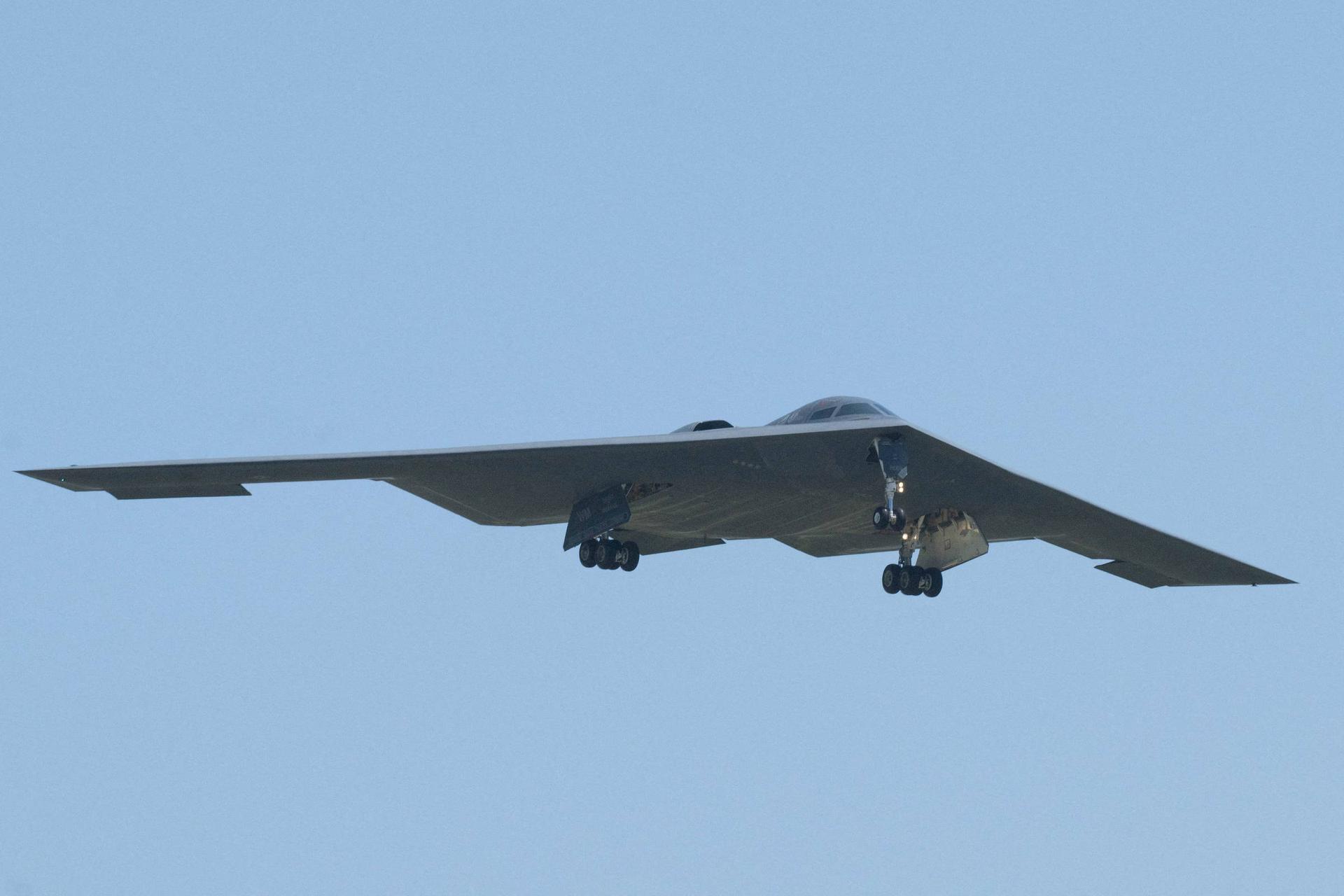
Hindustan Times summarized emerging reports that the alleged high-risk raid involved advanced or experimental weaponry and recounted a New York Post account that Venezuelan radar and communications "inexplicably failed" before drones and helicopters delivered roughly 20 U.S. troops.
The HT piece added that victims experienced an intense internal "sound-wave" effect causing nosebleeds, vomiting and collapse.
The Daily Mail likewise reported a claim that U.S. forces captured Maduro and relayed an unverified claim that a "sonic weapon" was used.
Times of India noted Caracas accused the United States of employing a sonic weapon and reported the symptoms without independent confirmation.
Together these pieces sketch the core allegation of a raid plus reported sonic effects while repeatedly caveating that the most dramatic details are unverified.
Coverage of alleged weapon
Coverage of the alleged weapon’s nature and the symptoms it produced differs in specificity and source attribution. Hindustan Times recounts that a Venezuelan guard’s account, amplified on social media by a White House press official, claimed an unidentified weapon caused internal symptoms. It also reports a former U.S. intelligence source told the Post that the described symptoms could be consistent with directed-energy systems, for example microwave-based weapons, but that the allegations remain unverified.
Times of India echoes reports that Caracas described nosebleeds and vomiting among troops. The Daily Mail also relays the unverified sonic-weapon claim and records that a White House press official amplified the social-media thread. These pieces therefore present the same symptom reports but vary in whether they attribute them to anonymous guards, Venezuelan official statements, or unnamed U.S. intelligence sources, and they uniformly flag the lack of independent verification.
Conflicting reports on operation
Reports diverge sharply on casualties, operational scale and outcomes. Hindustan Times notes Venezuela's Interior Ministry said about 100 security personnel were killed. The Daily Mail reports Venezuelan officials say about 80 members of the armed forces and civilians were killed.
“Venezuela’s Interior Ministry has said about 100 security personnel were killed.”
The Daily Mail also states the U.S. said there were no U.S. fatalities and one American wounded. The Washington Post offers a granular, human-scale account, recounting the death of 32-year-old soldier José Salvador Rodríguez, who was killed in an explosion during a U.S. operation to capture President Nicolás Maduro.
Fortune situates the raid among broader U.S. maneuvers, noting a raid and a naval presence without confirming casualty tallies. These differences show wide variation in reported death tolls and in whether outlets treat the operation's outcome, such as assertions that Maduro was captured, as verified.
Media framing of Venezuela
Beyond immediate battlefield claims, outlets differ in the broader geopolitical framing. Fortune explicitly connects the U.S. raid and naval posture around Venezuela to regional calculations, noting Tehran and Havana could interpret U.S. moves as signals and that Washington has considered several nonmilitary and military options. Fortune also reports the Pentagon has not yet sent forces to the region.
Asian outlets such as the Hindustan Times and the Times of India emphasize sharply escalating tensions between Venezuela and the U.S. and foreground Caracas’s accusations about novel weaponry. The Daily Mail centers operational detail and domestic legal proceedings, reporting that Maduro and Cilia Flores were arraigned in New York on federal charges and pleaded not guilty.

The Washington Post provides human-centered reporting of loss and aftermath in Venezuelan communities. These differences show how source type influences emphasis: geopolitical analysis in Western mainstream business press (Fortune), national-scale reporting and legal outcomes in tabloid coverage (Daily Mail), human stories in an American broadsheet (Washington Post), and allegation-focused accounts in Asian outlets (Hindustan Times, Times of India).
Unverified raid claims
All sources converge on a core uncertainty: essential details remain unverified and official U.S. confirmation is absent. Hindustan Times explicitly states that U.S. officials have not confirmed details of the raid or the weaponry used, and calls the allegations 'unverified'. Daily Mail acknowledges that many details—casualty figures, use of a sonic weapon, and elements of the raid—remain unverified.
“U.S. officials have not confirmed details of the raid or the weaponry used.”
Times of India likewise flags the lack of independent confirmation. Fortune notes U.S. officials are discussing options and that the Pentagon 'has not yet sent forces to the region,' underscoring that official responses and independent verification are still in flux. Given these consistent caveats across outlets of different types, readers should treat the more extraordinary claims (capture, sonic or directed-energy weapons, and high death tolls) as reported allegations rather than established facts.
