Iran21 July, 20263 min read
U.S. Launches 11th Night Of Strikes On Iran, CENTCOM Targets Strait Of Hormuz
This article is an automated aggregation of coverage from news outlets. Our editorials offer in-depth analysis curated by the NewsCord team.
U.S. conducts 11th consecutive night of strikes on Iran. CENTCOM says strikes began at 7 p.m. ET Tuesday.
PressTV was read line by line by the Watchdog: 4.1. See the score →
11th Night of Strikes
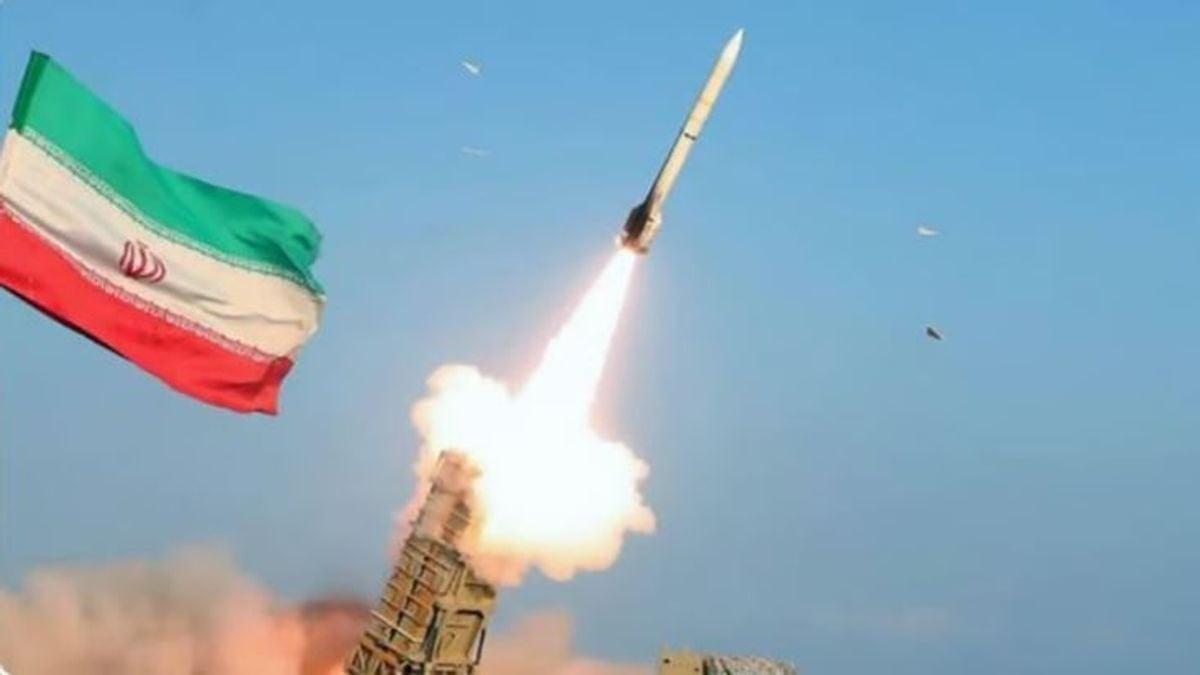
The United States launched an 11th consecutive night of strikes on Iran, with CENTCOM saying the attacks were designed "to continue degrading Iran's ability to threaten commercial shipping in the Strait of Hormuz". The strikes came as Iran and the United States traded blows after the breakdown of a June 17 memorandum of understanding, and Al Jazeera reported explosions in Iran’s northwestern Tabriz region alongside reports of air defence activity in northeastern Tehran. In parallel, the BBC framed the Strait of Hormuz as the central pressure point, describing how Iran’s leaders face choices that range from ending attacks on commercial shipping to intensifying attacks on American bases, shipping, and vital infrastructure in Gulf Arab states.
The Guardian added that prior to the latest round of strikes, Iranian authorities said US attacks in just the past three weeks had killed at least 50 people and wounded more than 500 others, while the conflict continued to target civilian infrastructure relied on by millions of people. As the fighting widened beyond the Strait, the Guardian also reported that Iran’s Fars news agency said a US strike hit a military site near Tabriz in north-western Iran, while Iranian state media said air defence activity was heard in western, eastern and north-eastern Tehran.

Diplomacy Meets Escalation
While the strikes continued, diplomacy efforts were being pursued through Pakistan, where Iran’s interior minister Eskandar Momeni met Pakistan’s army chief Field Marshal Asim Munir and later met Prime Minister Shehbaz Sharif. NDTV reported that Trump said the US had "no interest in meeting" when asked about possible talks, even as it described Momeni’s visit to Pakistan as a key part of efforts to revamp diplomacy after an interim ceasefire deal collapsed. The Guardian said Pakistan’s prime minister Shehbaz Sharif urged all sides to exercise restraint and refrain from actions that could further destabilise the region, and it added that Sharif told Iran’s Eskandar Momeni that Pakistan would continue to act as a mediator.
In Washington, CBS News reported that the Pentagon identified a 4th service member believed to have been killed in recent days, bringing the total number of U.S. deaths since the start of the war to 18. Fox News also tied the escalation to retaliation language, quoting CENTCOM that "The strikes are designed to continue degrading Iran's ability to threaten commercial shipping in the Strait of Hormuz" as it described the 11th consecutive night of attacks.
Nuclear Threats and Costs
The stakes sharpened around Iran’s nuclear facilities, with Trump renewing threats to attack Iran’s nuclear facilities at Natanz "pretty soon" and the Guardian stating that in June 2025 the facility had been "totally obliterated" after a US military bombed it. Haaretz reported Iran’s top joint military command warned that any U.S. attack on the country’s nuclear sites would lead to an "expansion of war" in the region, adding that all U.S. and allied interests across the region would be targeted in response. The Guardian also said the war has cost $37.5bn so far, and it described Defense secretary Pete Hegseth facing questions over the conflict as Republicans prepared a $95bn budget package to fund the military.
Beyond battlefield costs, CNBC said CENTCOM facilitated the transit of around 900 commercial vessels and 450 million barrels of crude oil through the strait since early May, even as it described Houthis threatening a naval blockade of Saudi Arabia that could open a new front. As the conflict’s ripple effects spread, the BBC warned that reopening Hormuz without securing a recognised Iranian role in managing the waterway could mean surrendering what some in Tehran increasingly see as a newly discovered deterrent, while it noted that sanctions, war damage and inflation were steadily increasing pressure at home.