USAupdated 1h ago3 min read
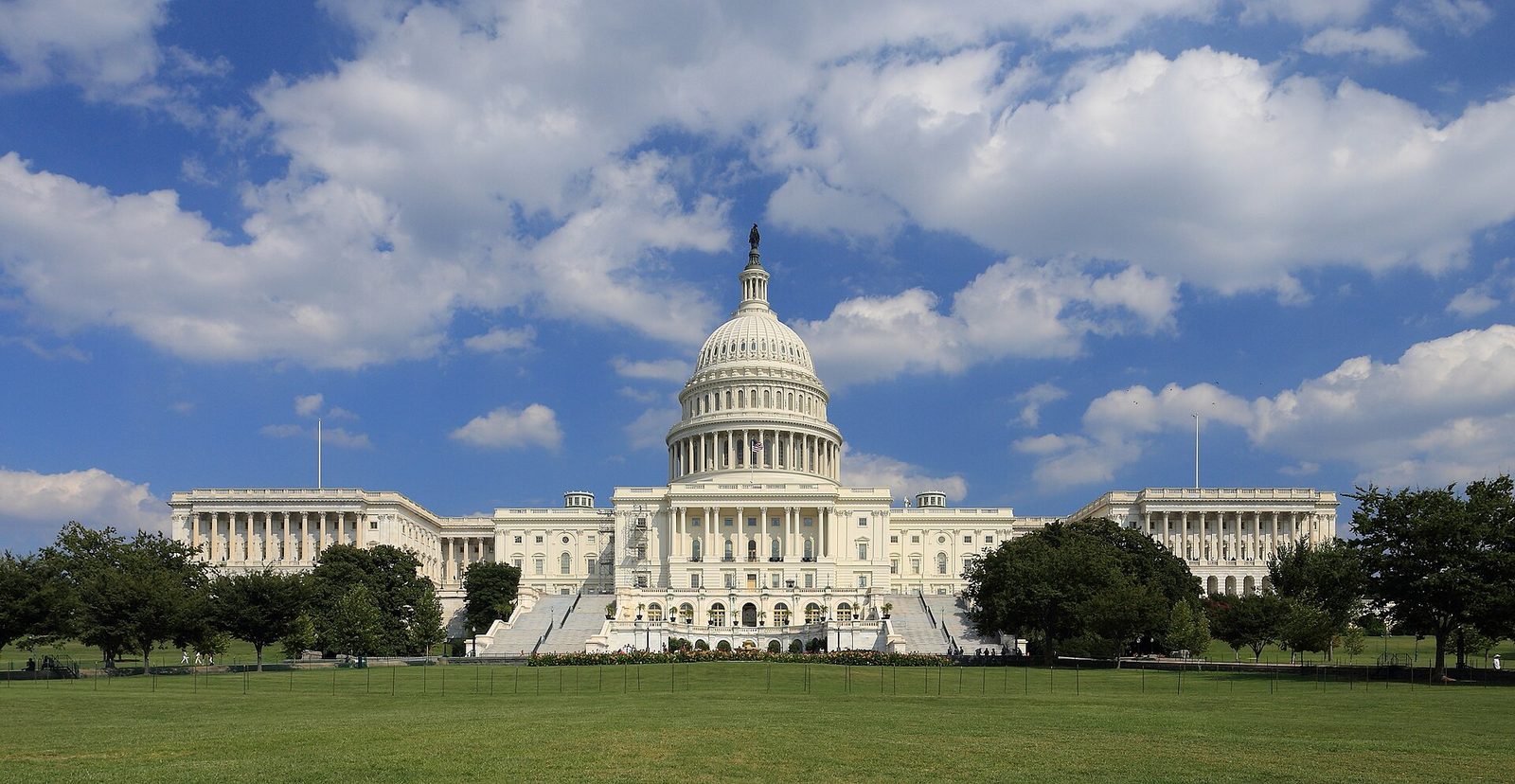
Archive photo · 5 September 2013US Midterm Election Results: When Polls Close and First Numbers Appear
“Results will continue to come in throughout Tuesday evening”
“Here's a look at what they could be, what the early signs might be”
Photo: Martin Falbisoner, CC BY-SA 3.0 · Cropped for layout
This article is an automated aggregation of coverage from news outlets. Our editorials offer in-depth analysis curated by the NewsCord team.
All 435 House seats and 35 of 100 Senate seats are up for grabs. Democrats hope to take control of both chambers from Trump's Republicans.
Save coverage image
Election night timing
The first results should be known on Tuesday after polls begin to close and would be shown on Al Jazeera’s live results page, with voting ending first in some jurisdictions on the East Coast at 6pm (23:00 GMT). Polling stations would gradually close during the evening of November 3, starting with some on the East Coast, and those would lock their doors at 6 p.m. and the last at 1 a.m., some offices in Alaska included. The first results would be made public shortly after 6 p.m., but they would be by no means decisive for the country’s fate, and close races could take days, even a few weeks before the winner is known.
Election officials release vote counts as ballots are processed and news organisations like The Associated Press then analyse them to determine how to call a race, with a closely contested race taking hours to call or even days. A closely contested race could take hours to call or even days, and it might not be clear for days whether the Republicans will retain control of Congress or Democrats secure a majority in either or both chambers.

Possible outcomes and calls
The “big Democratic wave” scenario would require Democrats to win all or most of the current crop of races that are toss-ups in the Senate, including some in traditionally conservative states like Texas and Kansas. Millions of Americans would head to the polls on November 3 to decide control of the House and Senate, and Republicans were fighting to retain their narrow majorities while Democrats hoped to regain ground. The results would determine how much room Trump has to advance his legislative agenda and how effectively Democrats can challenge his administration, and Republicans currently hold a narrow 218-214 majority in the House.
Democrats needed a net gain of four seats to take control, with around 40 constituencies considered competitive, while even in a wave scenario it might not be clear for days whether Republicans would retain control of Congress or Democrats secure a majority in either or both chambers. Even in a wave scenario it might not be clear for days whether Republicans would retain control of Congress or Democrats secure a majority in either or both chambers.
Legal challenges and stakes
Recounts and legal challenges can occur when races are tight, and they do not slow down the entire process, while candidates can sit temporarily as results are reviewed or subject to legal proceedings. The American president, Donald Trump, spoke of “widespread election fraud” ahead of November 3, alleging that non-citizens cast ballots, and he ordered the Department of Justice to file suit in Alaska to block the certification of the Democratic candidate if he wins. Donald Trump attempted to manipulate the midterms through initiatives such as redistricting or strengthening the verification of voters’ citizenship to erase from the electoral lists possible “non-citizens.”
Chuck Schumer called Trump’s end-of-campaign message “pathetic,” and the battle for the Senate, where 35 of 100 seats are at stake, remained uncertain. Control of the House would give Democrats more leverage over the federal budget, and Democrats could also launch parliamentary investigations, including into corruption accusations against Donald Trump and his allies.