Iranupdated 2h ago2 min read
Archive photo · 14 December 2023US War Insurance Plan for Strait of Hormuz Ships Stays Unused, DFC Says
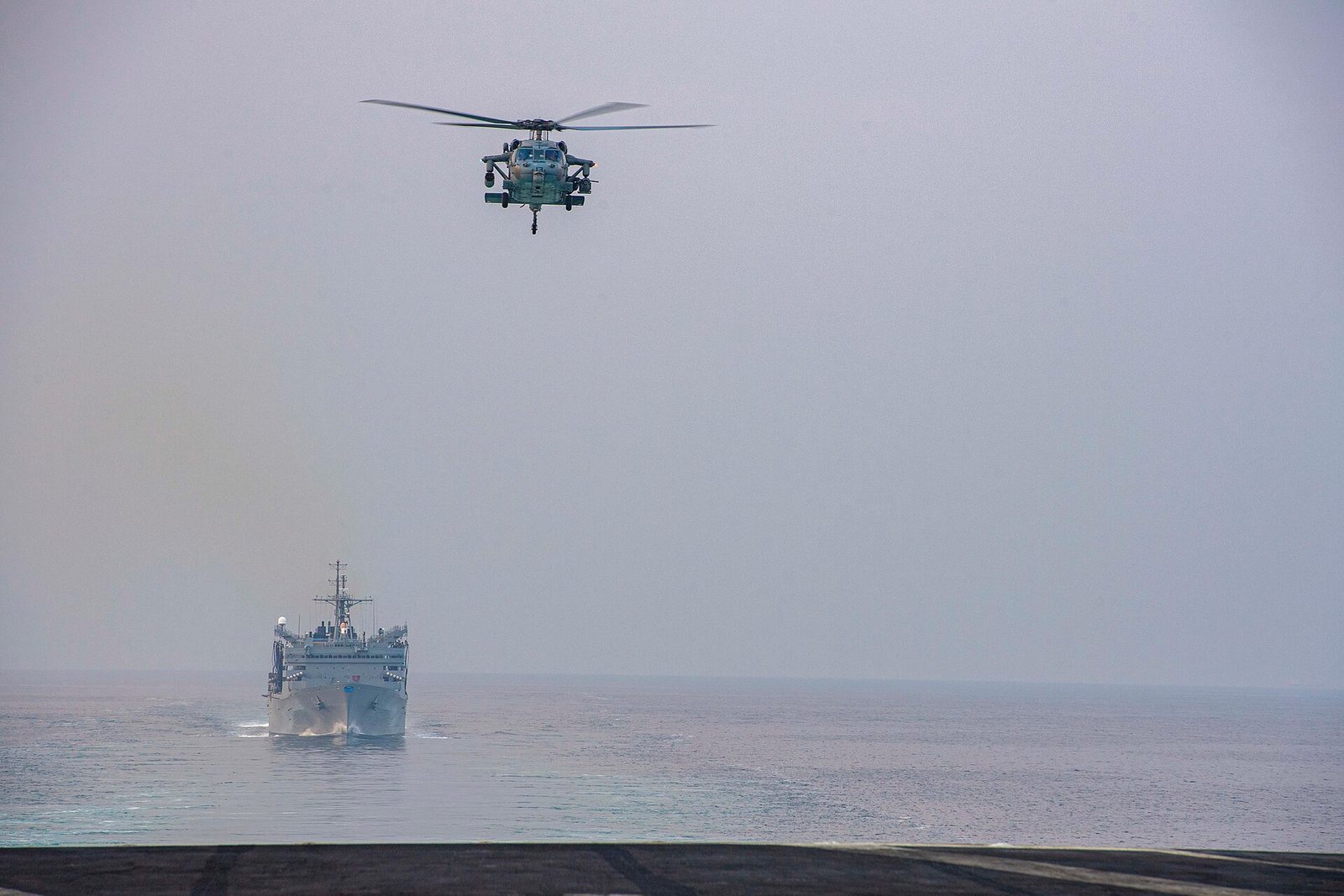
2 Other1 Asian1 Israeli3 Other source typesPhoto: U.S. Navy photo by Petty Officer 3rd Class Janae Chambers / US federal government, Public domain · Cropped for layout
This article is an automated aggregation of coverage from news outlets. Our editorials offer in-depth analysis curated by the NewsCord team.
US DFC says $40 billion Hormuz insurance plan remains unused. Nine months after launch, the plan has issued no policies.
Save coverage image
7 outlets in this story. Read their headlines below.
Al-Monitor was read line by line by the Watchdog: 0.0. See the score →
Insurance plan remains unused
The US International Development Finance Corporation told Al-Monitor that its $40 billion program remains unused nine months into the Iran war, even after Washington launched a war insurance plan for ships crossing the Strait of Hormuz. On March 3, US President Donald Trump ordered the DFC to insure shipping through the Gulf three days after the US-Israel war on Iran began.
London underwriters continued to sell war cover even as attacks on ships reached a wartime high in October. EOS Risk data cited by the Financial Times showed attacks increased notably after the United States and Israel launched strikes on Iran on February 28, and the frequency and scale of the attacks rose after that date.
Double-tap attacks and mines
Maritime security consultancy EOS Risk data cited by the Financial Times indicated that at least six vessels were hit more than once during October and November, and the strategy was described as a “double-tap” tactic. A tanker industry executive told the Times of India, “It seems to be aimed at halting and disabling ships,” and the same article said two missiles or drones into the stern would do more damage and are likely to halt a ship.
The Islamic Revolutionary Guards Corps said a tanker was hit by an explosion after striking a mine while attempting to cross the Strait of Hormuz through what the IRGC called an unauthorized route. The US Central Command said it disabled a Palau-flagged M/V Pacific Archer in the Gulf of Oman after a crew attempted to run the US naval blockade, and CENTCOM said “The ship’s propulsion was ultimately disabled and the civilian crew was unharmed.”
Blockade, stranded crews, disputes
The Strait of Hormuz remained closed and diplomatic efforts remained stalled, while the US Armed Forces reported that it struck the Pacific Archer from the stern with “precision munitions” and disabled the vessel’s propulsion without harming the civilian crew.
The خبرگزاری مهر report said the International Maritime Organization warned of consequences of disruptions and that the Tasnim News Agency reported “300 ships and 6,000 sailors are stranded in the Strait of Hormuz” since the start of the war against Iran.
U.S. Central Command rejected Iranian navy claims, including claims about seized tankers and fees in the Strait of Hormuz, and it said Centcom called the account “another fabricated lie.”
The خبرگزاری مهر report added that the International Maritime Organization said only between 8 and 15 ships pass through the strait daily, and it warned that the crisis “will not be limited to maritime transport” and would affect other vital sectors worldwide.