Russia07 August, 20262 min read
Yulia Navalnaya Urges Russians To Vote Yabloko In September 20 Duma Elections
This article is an automated aggregation of coverage from news outlets. Our editorials offer in-depth analysis curated by the NewsCord team.
Yulia Navalnaya urged Russians to vote for Yabloko in September Duma elections. Yabloko is described as the only legally established Russian opposition party opposing the war.

7 outlets told this the same way.
Navalnaya backs Yabloko
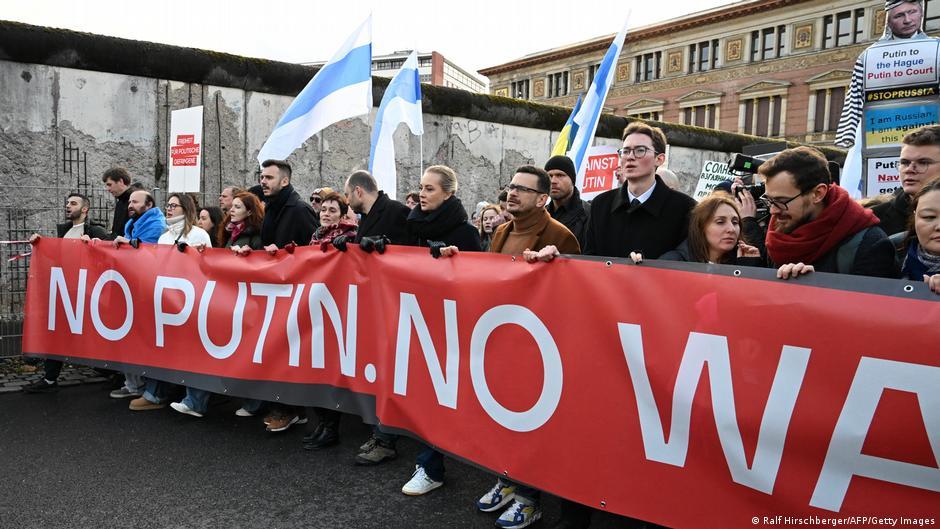
Yulia Navalnaya, widow of Russian opposition leader Alexei Navalny, urged Russians to vote for Yabloko in the upcoming September legislative elections, calling it “the only party opposing the war in Ukraine” and saying “This is the moment to put aside past differences and help.” Navalnaya, who lives in Germany with her children, also urged voters “not to fight this time,” nor to “discuss the alleged faults of Yabloko,” and framed the vote as “the only legal and safe opportunity in many years to express our dissent with the Government.”
The call came after Yabloko managed to pass the Central Election Commission (CEC) screening for the Duma elections, which are to be held on September 20, and the party is participating under the motto “For peace and freedom.” Yabloko’s campaign includes 269 candidates on party lists and 135 in single-mandate constituencies, and the party’s leader Nikolai Ribakov wrote that it is “not funded from abroad” and has “no relationship whatsoever with organizations declared undesirable in Russia.”

Ribakov distances from exile
In response to Navalnaya’s support, Yabloko distanced itself from the opposition in exile’s statements and said it does not consider them part of its campaign for the September elections. Party leader Nikolai Ribakov wrote on Telegram that “people whose support under the current conditions could lead to our party being excluded from the elections decided to support Yabloko on social media,” and he added that the party “does not consider statements, messages, or activities carried out by anyone abroad as part of its electoral campaign.”
Ultranationalists moved to challenge Yabloko’s participation, with Alexéi Zhuravliov, leader of the Rodina (Motherland) party’s ultranationalist group, telling TASS that Rodina filed an administrative lawsuit to cancel the federal list registration of Yábloko’s candidates to the Duma. Zhuravliov said the complaint centers on alleged violations in party funding through “forbidden social networks,” and he demanded “the cancellation of the registration of all deputy candidates.”
Pressure, exclusions, and stakes
Even with CEC approval, Yabloko’s lists were rejected by local election commissions in the cases of municipal assemblies in Saint Petersburg and the capital of the northwestern region of Karelia, and several dozen of its most popular candidates—including Ribakov—were excluded for criticizing the war or for extremism. The sources also say Yabloko’s campaign faces criticism from prominent pro-Kremlin politicians who described the party as “anti-Russian,” and the Supreme Court was reported as studying the complaint filed to disqualify the party from elections.
Gennady Zyuganov, the octogenarian Communist leader, told RIA Novosti that “I don’t know of a single case where they helped those who suffer there,” and he said “we must prevail there” in a “war of total extermination against the Russian world.” Sergei Mironov, leader of A Just Russia, urged the Ministry of Justice and the General Prosecutor’s Office to investigate Yabloko’s behavior, writing on Telegram that “We must not allow that party to use the electoral campaign for anti-Russian purposes.”