Finance18 April, 20266 min read
Zohran Mamdani Faces Backlash Over New York City Pied-à-Terre Tax Backed by Kathy Hochul
This article is an automated aggregation of coverage from news outlets. Our editorials offer in-depth analysis curated by the NewsCord team.
Zohran Mamdani and Kathy Hochul proposed a second-home tax on NYC properties over $5 million. Critics warned the plan would drive wealth out of the city and spark capital flight.
Second-Home Tax Ignites Backlash
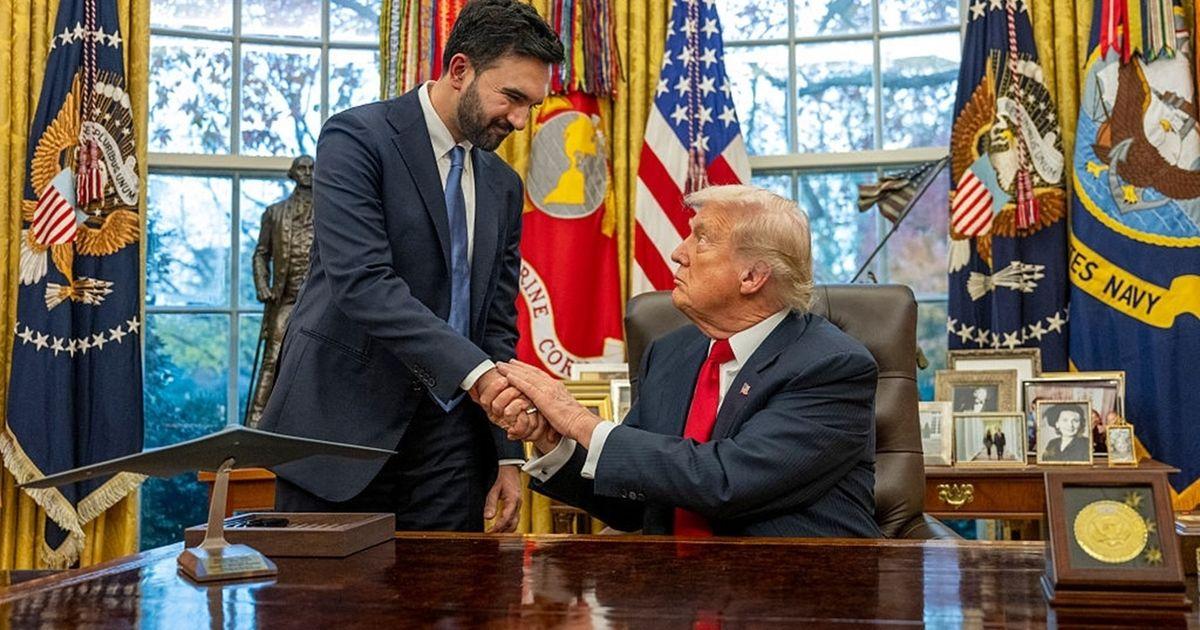
New York City Mayor Zohran Mamdani’s proposed “pied-à-terre tax” on multimillion-dollar second homes has triggered a rapid, high-profile backlash from business and political figures, with critics arguing it could drive wealth out of the city.
The plan, backed by Gov. Kathy Hochul, targets second homes with assessed values of $5 million or more, and Mamdani said it is expected to raise roughly $500 million annually to fund priorities including childcare, transportation, and public safety.
Business Insider reported that the tax has not yet been enacted and that implementation dates were not included in the announcement, while Hochul said about 13,000 properties would be affected.
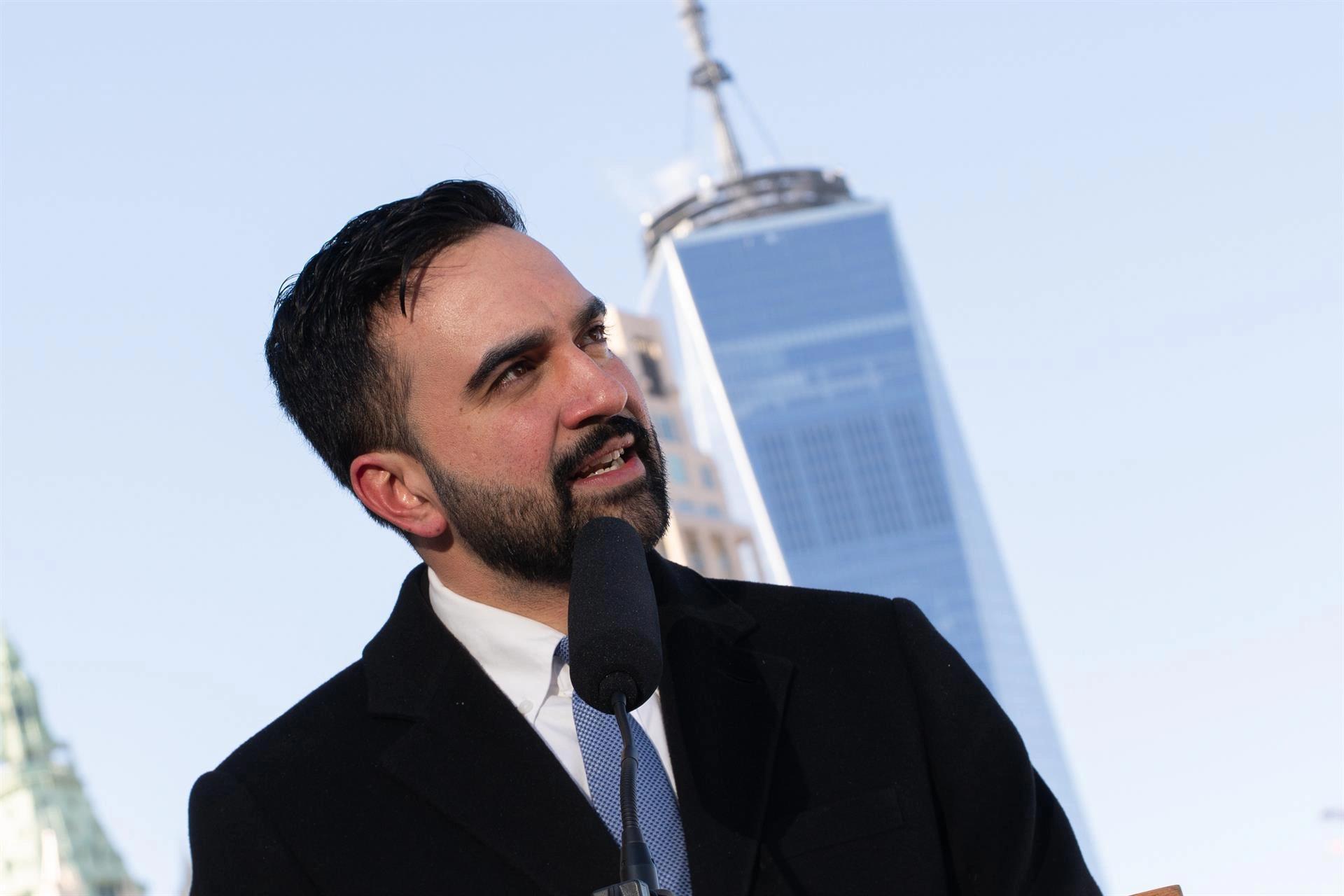
In parallel, the New York Times described Mamdani standing “in front of a camera” on one of New York City’s most exclusive real-estate strips with a message: “Today we’re taxing the rich.”
The New York Times also tied the proposal to a wider political mood, noting that on the same day Hochul proposed the tax, doormen and superintendents “threatened to go on strike.”
The proposal’s political visibility was amplified online, with Business Insider saying Olivia Becker, the director of video for Mamdani’s office, wrote that a clip of the mayor announcing the tax posted on April 15 is “now our most viewed video of all time.”
Who Said What, and Why
The proposal’s critics quickly framed it as harmful to New York’s economy and as a form of “class warfare,” while supporters cast it as a targeted way to fund social programs and address budget needs.
Business Insider reported that Austin-based entrepreneur Jason Calacanis wrote on X that “NYC is cooked,” and it also said critics attacked the plan as something that would drive wealth out of the city.
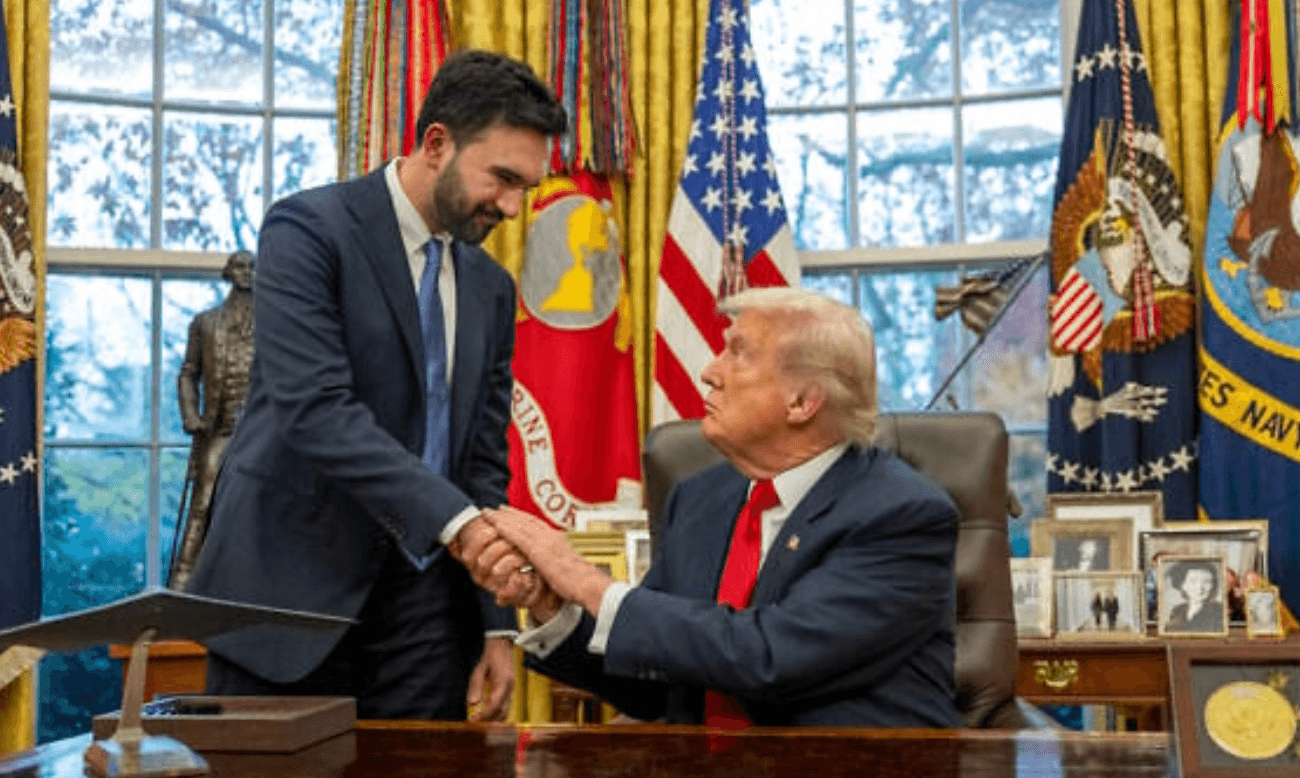
The same outlet reported that hedge fund manager Daniel Loeb hinted at relocating and that others called the proposal “class warfare,” while Calacanis took issue with Mamdani’s video that pointed to Miami-based Citadel CEO Ken Griffin’s $238 million penthouse as an example of the properties being targeted.
Business Insider also quoted Bill Ackman warning of unintended consequences, writing on X that “non-residents who spend millions of dollars on NYC apartments help drive NYC's economy.”
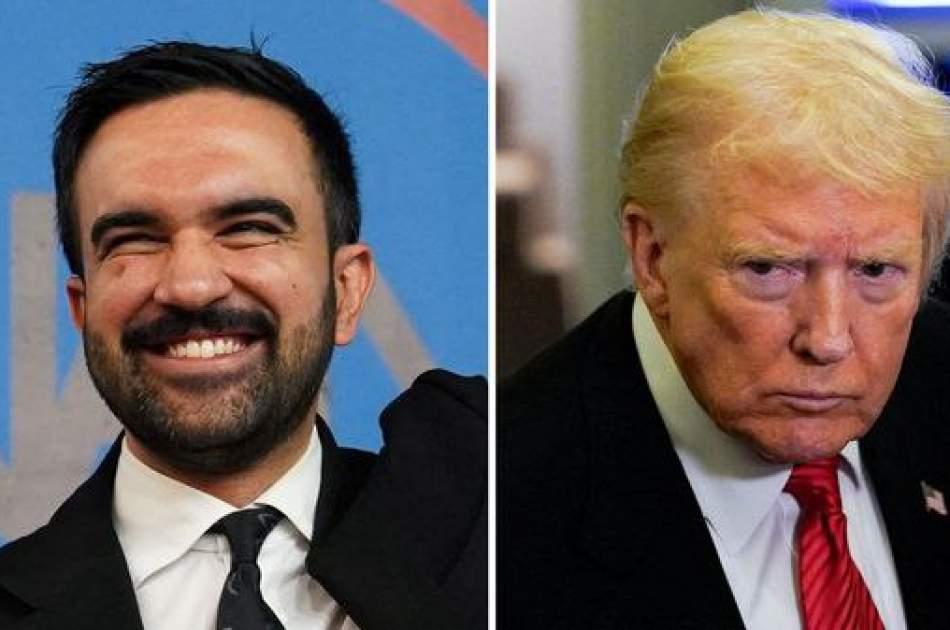
On the political side, multiple outlets carried Trump’s sharp denunciation of Mamdani’s tax approach, with the Arabic-language outlet بوابة الشروق quoting Trump’s Truth Social post: “Unfortunately, Mayor Mamdani is destroying New York! It doesn't stand a chance!” and adding that “The United States should not contribute to its failure.”
In the same reporting stream, عَرَبِي21 said Trump warned that tax-raising policies are “completely wrong,” and that “people are fleeing,” while Bloomberg’s Arabic feed described Trump’s Thursday post as saying “Things will only get worse.”
Mamdani’s defenders, meanwhile, emphasized funding and deficit closure, with عربي21 saying he defends higher taxes on the wealthy to fund social programs and close a projected deficit estimated at about $5.4 billion.
Tax Day, Video, and the Met Gala
The debate over Mamdani’s second-home tax has been intertwined with symbolic political moments and public-facing gestures, according to the New York Times and Business Insider.
The New York Times described Mamdani’s appearance “in front of a camera” on an exclusive strip of real estate, where he “pecked at it with his finger” after saying “Today we’re taxing the rich.”
It also linked the proposal to a broader set of events on the same week, including Gov. Kathy Hochul’s pied-à-terre tax proposal and Mamdani’s decision to “snub the Met Gala,” with the Times noting that “This year, the billionaire Jeff Bezos is sponsoring the event.”
Business Insider reported that Mamdani’s office posted a clip of the mayor announcing the tax on April 15 and that it became “now our most viewed video of all time.”
The Spanish-language Revista Capital similarly described the announcement as being made in collaboration with Hochul and said the policy involves a surcharge for homes valued at more than $5 million whose owners do not reside permanently in the city.
It also said the mayor’s video highlighted investor Ken Griffith’s Manhattan penthouse valued at 238 million dollars as an example of properties affected by the tax.
The New York Times described “Billionaires’ Row” and quoted sociology professor Marissa Thompson saying, “People are feeling the squeeze of inequality,” while framing the anti-rich political current as “building” toward “a crescendo.”
Coverage Divergence on Motive and Impact
Different outlets emphasize different aspects of the same tax proposal, producing a split narrative about motive, scale, and likely economic effect. Business Insider foregrounded the immediate backlash from Wall Street figures and business leaders, quoting reactions like “NYC is cooked” and framing the debate as an argument over whether the tax would drive wealth out of the city. It also included a tax-law perspective from Eric Chaffee, a professor of tax and business law at Case Western Reserve University, who said the proposal is “a definite political victory” and argued that the predicted $500 million “assumes that there's not going to be enterprising lawyers out there.”
In contrast, the New York Times framed the proposal as part of an “anti-rich current” and described the city’s wealth gap through scenes on “Billionaires’ Row,” while quoting Marissa Thompson that “People are feeling the squeeze of inequality.” The Arabic-language outlet اقتصاد الشرق مع بلومبرغ presented Trump’s criticism as a warning that the plan would be “devastating,” while also describing Mamdani’s defense as a way to “fund social programs and close an anticipated gap in the city's budget.”
The Spanish-language Revista Capital emphasized the political argument that the tax “aviva la lucha de clases” and could “ahuyentar la inversión,” while also stating that the mayor’s office claimed “un 93% de los neoyorquinos apoyan el impuesto.” Even the framing of the tax’s target differs slightly across sources: Business Insider and the Times describe assessed values of “$5 million or more,” while Revista Capital describes homes “valoradas en más de 5 millones de dólares” whose owners do not reside permanently.
What Happens Next
The sources portray the next phase of the tax fight as a mix of legal uncertainty, political escalation, and potential budget consequences, with multiple figures warning about economic ripple effects while supporters argue for social funding. Business Insider said the tax has not yet been enacted and that implementation dates were not included in the announcement, leaving open how and when the policy would take effect. Eric Chaffee told Business Insider that while some departures from New York to other American cities like San Francisco or Chicago might occur, “Manhattan's a wonderful place to be,” and he added that “this is unlikely, really, to affect New York City that much in terms of making the ultrawealthy leave.”
He also said that for ultrawealthy owners of these $5 million properties, “some of them are going to be willing to actually pay this amount to stay in the city.” At the same time, Business Insider reported that critics argued the policy could prompt capital flight, and it cited Trump’s position that “People are fleeing” and that “These tax policies are completely wrong,” as quoted by بوابة الشروق.
The Arabic-language outlet عَرَبِي21 described Mamdani’s defense as funding social programs and closing a budget gap estimated at about $5.4 billion, while also noting that Hochul proposed additional fees on second-home owners whose properties exceed $5 million in value in New York City. The New York Times added that the proposal is being pursued in a climate where labor threats are present, describing that on the same day Hochul proposed the tax, doormen and superintendents “threatened to go on strike.”