Iran09 March, 20262 min read
Assembly of Experts Appoints Mojtaba Khamenei Iran's Supreme Leader After Assassination of Ayatollah Ali Khamenei
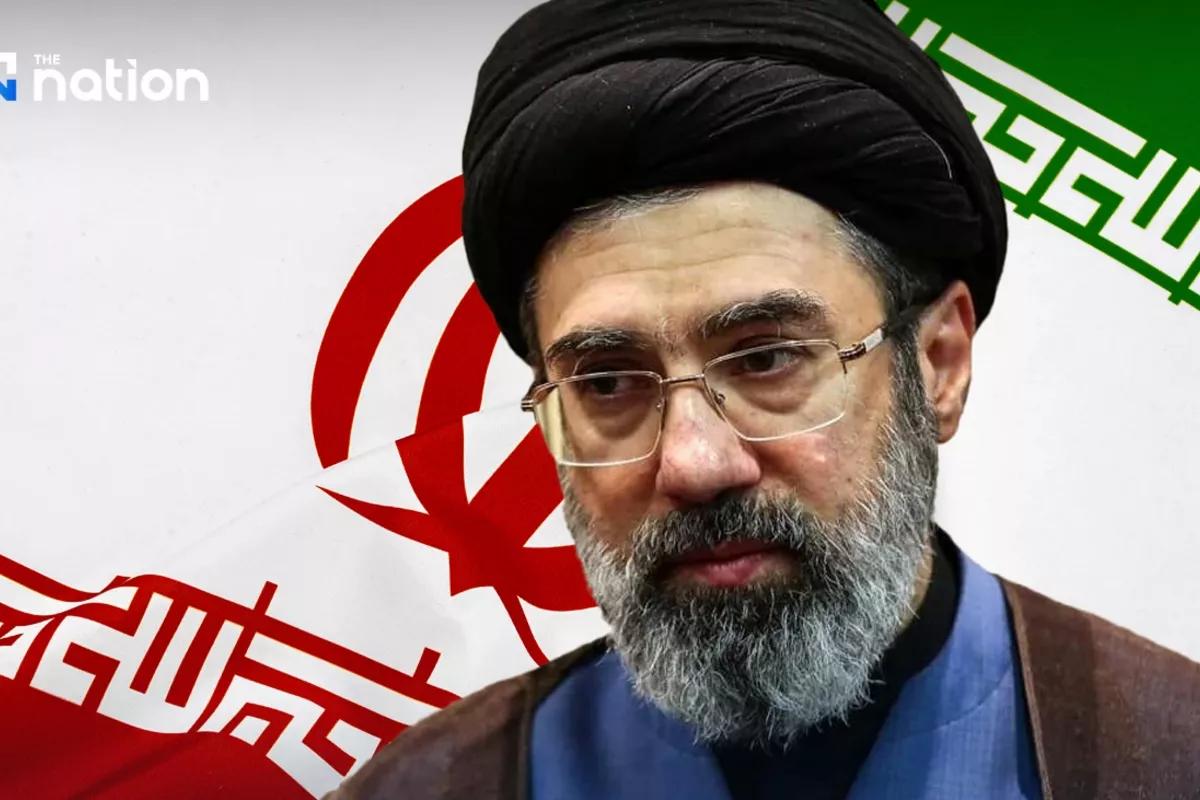
Assembly of Experts elected Mojtaba Khamenei to succeed his slain father, Ali Khamenei. Mojtaba Khamenei is a low-profile Qom-trained cleric with no formal elected government posts.
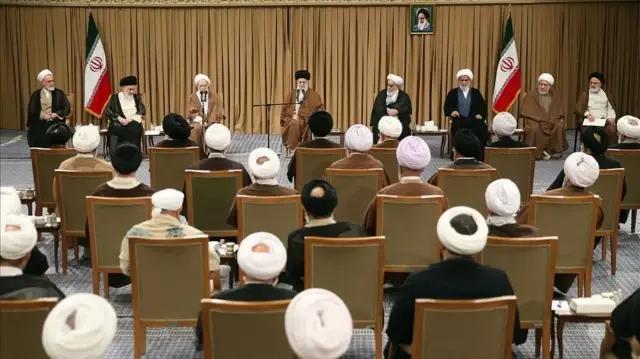
Iran leadership succession
Iran’s Assembly of Experts announced the selection of Mojtaba Khamenei, 56, as the country’s new supreme leader in the immediate aftermath of what many outlets describe as the death of Ayatollah Ali Khamenei in strikes on Feb. 28.
“Iran’s 88‑member Assembly of Experts has elected Ayatollah Seyyed Mojtaba Hosseini Khamenei, 56, the son of the late Ayatollah Seyyed Ali Khamenei, as the country’s new Supreme Leader, the Secretariat said.”
State and regional outlets reported that the clerical body voted "decisively" and presented Mojtaba as the successor, framing the appointment as a rapid transition amid intense military pressure on Tehran.

The reported change of leadership has been presented by pro-regime and regional media as a fait accompli intended to preserve continuity in the Islamic Republic’s command structure during a period of war and high external threat.
Mojtaba Khamenei profile
Mojtaba Khamenei is widely described in reporting as a low-profile, mid-ranking cleric who built influence through his father’s office and security connections rather than through public, elected roles. Multiple outlets portray him as a behind-the-scenes power broker with longstanding ties to the Islamic Revolutionary Guard Corps and other security institutions.
Reports note his limited formal clerical rank and lack of a conventional political résumé. Several outlets cite U.S. sanctions and previous investigative reporting as evidence of his informal influence and alleged links to state security networks.

Iran leadership succession reactions
State media and several reports describe the Assembly’s decision as swift and broadly backed by Iran’s key security bodies. Press accounts say the IRGC, the Supreme National Security Council and top military organs publicly pledged loyalty, and that a provisional council under Article 111 is operating during the transition.
“The decision followed religious invocations, condolences and a ‘decisive’ vote after studies. State media and key institutions — including the IRGC, the Supreme National Security Council, the General Staff and other senior bodies — immediately pledged full, lifelong loyalty, praising Mojtaba as a knowledgeable, young jurist.”
Pro‑regime outlets styled the move as divinely guided and emphasized unity and mobilization to face external threats. Critics warned the succession risks cementing hardliner control and a dynastic precedent contrary to revolutionary norms.
International reactions to appointment
U.S. political figures and commentators publicly rejected the appointment.
Israeli officials warned they would treat any new supreme leader or Assembly members involved in the choice as legitimate targets.
Former U.S. President Donald Trump and other Western figures framed the elevation as unacceptable and said Washington should have a say in the outcome.
Tehran's foreign ministry and officials rebuffed outside interference and called for unity amid the crisis.
Unverified reports and impacts
Reporting across outlets stresses major uncertainties and the wider regional escalation tied to the leadership change. Several sources note that claims about Ali Khamenei’s killing and some strike details remain unverified and that disinformation is widespread. Strikes reportedly hit Iranian energy sites and Gulf infrastructure, driving fears of broader economic and humanitarian fallout.
“A widely shared claim that a Feb. 28 U.S.–Israeli ‘pre‑emptive’ strike killed Supreme Leader Ayatollah Ali Khamenei is incorrect, the article says, and other information contradicts it; the outlet repeatedly cautions it could not independently verify many videos, social‑media posts and other claims amid widespread disinformation.”
Independent and international outlets urged verification and cautioned readers about contested casualty tallies and conflicting accounts. The region faces intensified military exchanges and infrastructure attacks.
