Iran · updated 1h ago · 3 min read
CENTCOM Chief Admiral Brad Cooper Hosts Israel, Saudi Arabia, Bahrain Talks in Germany on Iran War
CENTCOM chief Brad Cooper organized a Germany meeting with Israeli and Arab military chiefs. Participants included the United States, Israel, Saudi Arabia, UAE, Bahrain, Kuwait, Qatar, Jordan, Egypt.
15 outlets, one story, no spin found.
10 of 12 outlets skipped it: israel and Saudi Arabia discuss Israeli intelligence support against Houthis.
i24NEWS was read line by line by the Watchdog: 5.8. See the score →
15outlets compared
Secret Germany talks
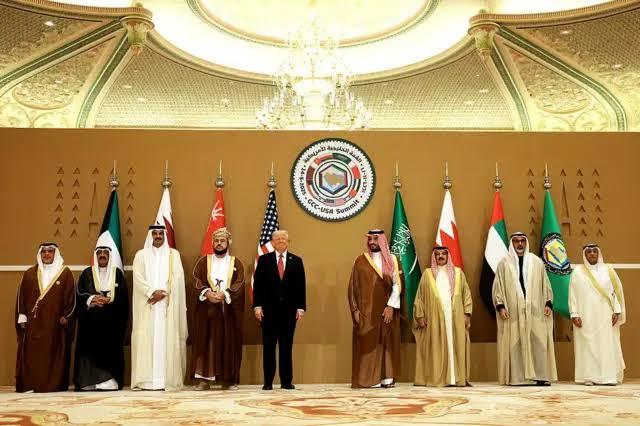
Senior military leaders from the United States, Israel, Saudi Arabia, Bahrain, Kuwait, Qatar, the UAE, Jordan and Egypt met in Germany last week to discuss the war with Iran and regional security cooperation, organized by US Central Command (CENTCOM) Chief Admiral Brad Cooper.
“A source from within CENTCOM later confirmed to The Jerusalem Post that it hosted senior military leaders from eight countries at a closed conference in Germany last week”
CENTCOM spokesperson Capt. Tim Hawkins confirmed the meeting, saying, "Last week, CENTCOM hosted senior military officials from eight countries as part of a planned conference in Germany," and the commanders discussed opportunities to deepen security cooperation in the Middle East.
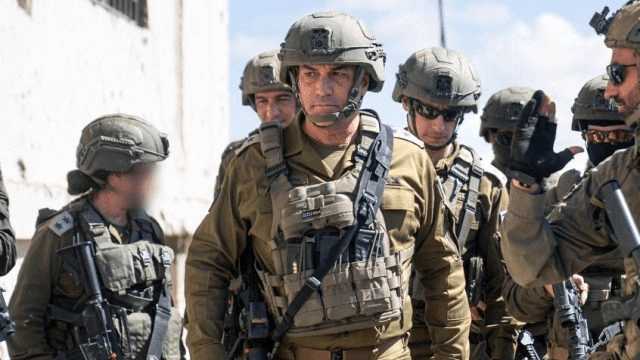
During the discussions, Cooper told the commanders the US military has no plans to withdraw forces from the Middle East despite Iranian attacks on American bases, and he outlined a US plan to increase vessel traffic through the Strait of Hormuz.
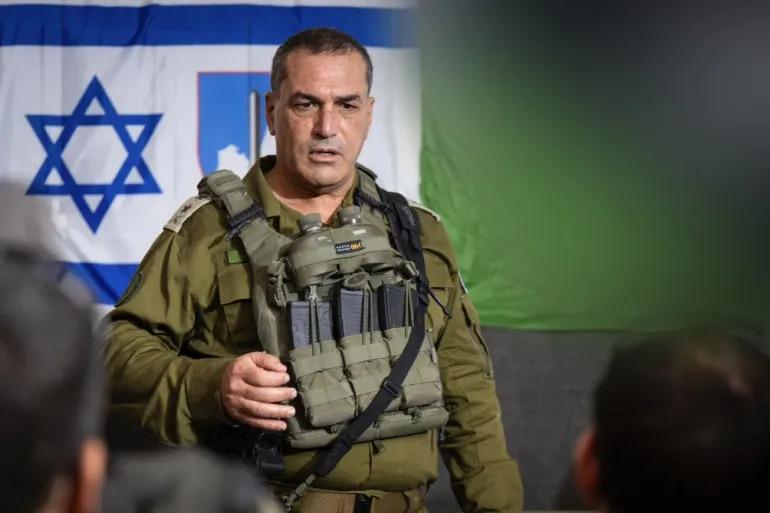
IDF Chief of Staff Lt.-Gen. Eyal Zamir briefed participants on IDF operations across different fronts, and Israeli officials said the gathering was the first of its kind since the United States and Israel began the war against Iran more than six months ago.
The meeting also came as the Houthis stepped up attacks on Saudi cities and energy infrastructure and advanced along Yemen's Red Sea coast toward the Bab al-Mandab Strait, raising concerns about Saudi oil exports and global shipping.
Iran war diplomacy strains
As the Germany meeting unfolded, Gulf Arab states postponed planned talks with Iran after fresh Houthi strikes on Saudi Arabia, with Oman saying the meeting was postponed "in the interests of consensus."
The postponement followed Iran-aligned Houthis firing dozens of missiles and drones at a military airbase in Khamis Mushait, targeting aircraft hangars, radar systems, runways and ammunition depots, and Saudi authorities issued emergency alerts in three other southern cities.
Trump said on Truth Social that "The failing Nation of Iran wants to make a deal, quickly and badly," while the Houthis’ escalation and the postponed negotiations raised concerns the conflict could spread further and threaten global oil supplies.
Iran’s Supreme National Security Council secretary Mohsen Rezaei rejected dialogue, saying on X, "No talks until Iran's conditions are met. Full stop!"
In parallel, Oman said it had to postpone a meeting Monday in Muscat with Iran and other regional countries to discuss the Strait of Hormuz, while Iran and Oman had agreed to postpone the talks "at the request of some regional countries."
Hormuz stakes and retaliation
The Strait of Hormuz remained a central pressure point as Iran threatened vessels that transit the waterway without its authority, and the world’s most important oil shipping lane had been mostly shut down since the war began on Feb. 28.
“The world's most important oil shipping lane has been mostly shut down since the war began on Feb. 28”
In the same period, Iran’s IRGC said it intercepted and destroyed an advanced MQ-1 drone over the Strait of Hormuz, with IRIB citing an IRGC statement that the drone was intercepted by a new advanced air-defense system operated by the IRGC Aerospace Force.
Iran’s Foreign Ministry spokesman Esmail Baqaei blamed continuing insecurity in the waterway on US and Israeli actions and said Iran would continue responding unless Washington halted what he described as its "illegal and interventionist" actions, including its maritime blockade and economic pressure.
At the same time, the US Central Command immediately said a report about the oil tanker El Gaia was false and that the tanker was "struck by an Iranian missile last month and rendered inoperable," while the United Nations’ International Maritime Organization reported El Gaia was damaged on Saturday and two seafarers were missing.
The diplomatic and military friction around Hormuz and Yemen’s Red Sea corridor also intersected with Saudi energy vulnerability, as the East-West pipeline closure followed drone attacks launched from inside Iraq and the pipeline’s repair timeline became a key concern for Gulf oil exports.