Technology and Science04 September, 20263 min read
UK Energy Secretary Miatta Fahnbulleh Expected To Approve Jackdaw Gas Field In Mid-September
This article is an automated aggregation of coverage from news outlets. Our editorials offer in-depth analysis curated by the NewsCord team.
Energy secretary Miatta Fahnbulleh expected to approve Jackdaw gas field in mid-September. Approved in 2022, delayed by Scottish court ruling.
Jackdaw approval in September
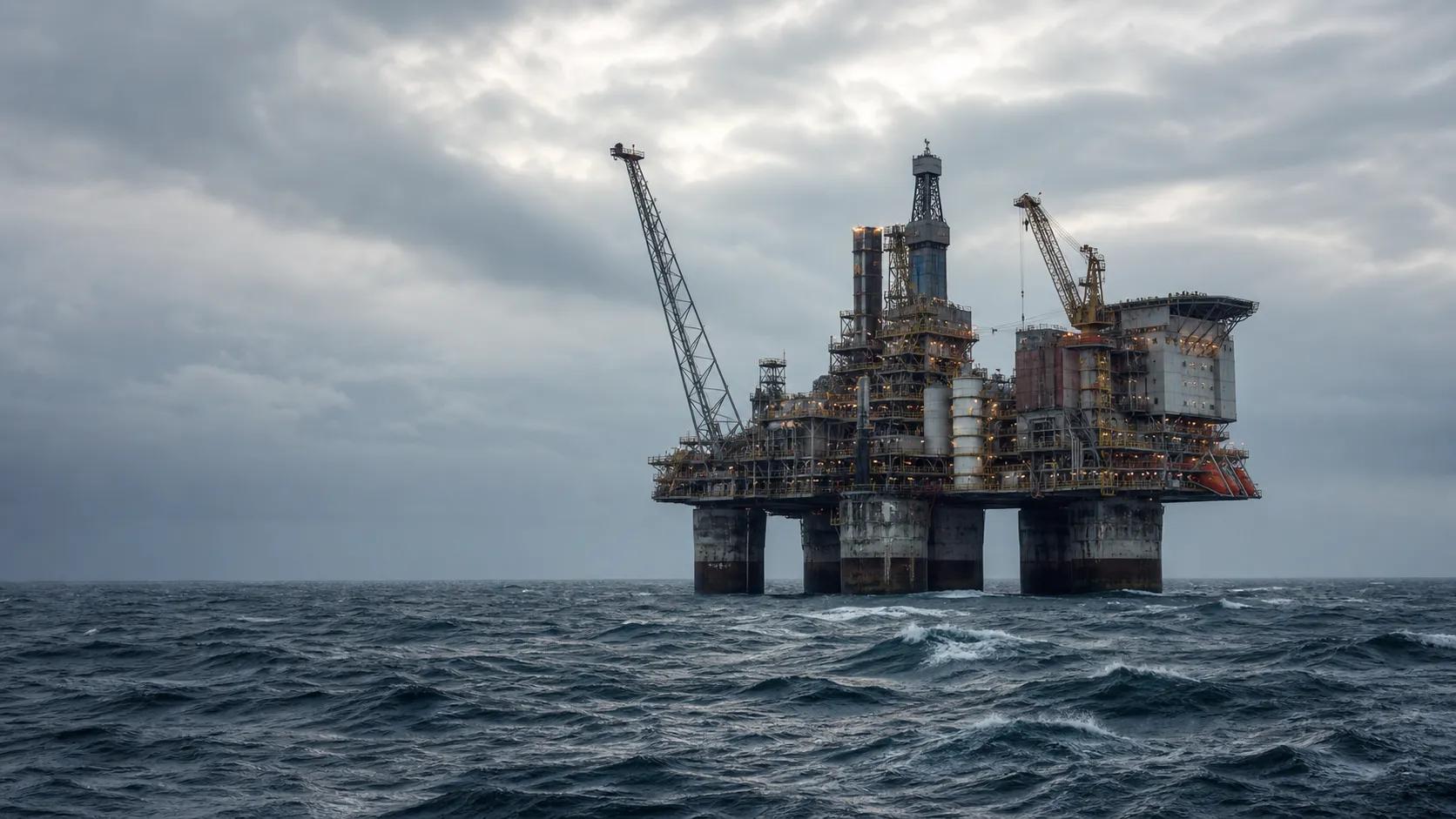
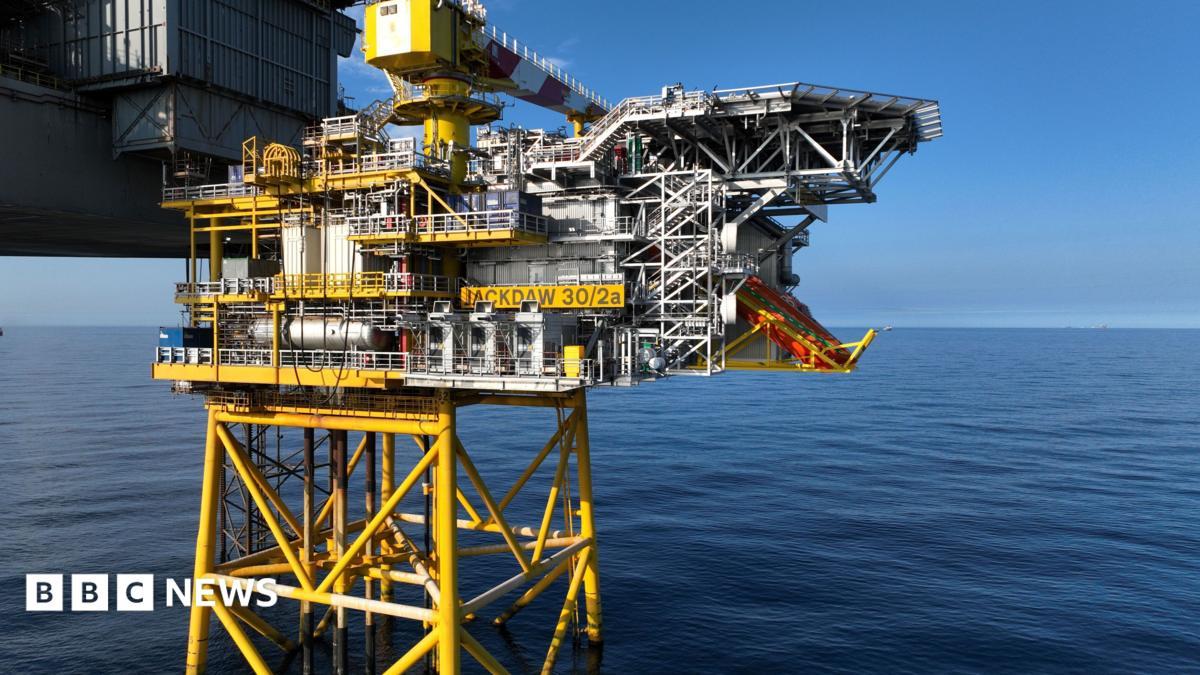
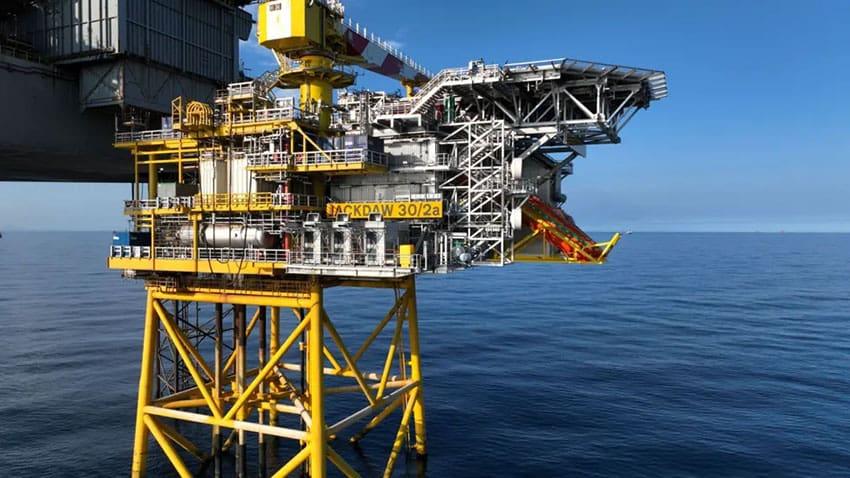
The UK government is expected to approve the Jackdaw gas field off the coast of Aberdeen in mid-September, according to government and industry sources cited by the BBC, with the decision resting with Energy Secretary Miatta Fahnbulleh. The project, operated by Adura, a joint venture between Shell and Norway’s Equinor, was first approved by the Conservative government in 2022 but was halted by a legal ruling in Scotland after environmental groups argued that consent had been granted without fully considering the climate impact. In January 2025, the Court of Session in Edinburgh ruled that both Jackdaw and Rosebank had been unlawfully approved because the government had not taken into account the emissions from burning the oil and gas extracted from them, and ordered more detailed climate assessments to be published.
Adura says Jackdaw will account for 6% of UK gas output at peak production, while environmental groups say the field will supply only 2% of UK use once imports are included. The BBC reports that if approval comes in September, Adura says the field could start delivering gas to UK homes by this winter as construction is "99 per cent complete".
Debate over climate and costs
Energy Minister Kate White told MPs that "The process ended in August, and the Secretary of State will be taking those decisions in due course," as the public consultation on Jackdaw and Rosebank closed in August. Chris O’Shea, chief executive of British Gas owner Centrica, told the BBC’s Today programme that additional domestic supply would reduce Britain’s reliance on imported fossil fuels, saying, "so it’s got to be good". O’Shea also argued that while it "wouldn’t lower the cost materially," basic economics would still mean that "if you’ve got a fixed demand for a product and you increase the supply, the price should move," according to the BBC.
Tessa Khan, executive director of Uplift, said more North Sea drilling would not cut energy bills and would "make no meaningful difference" to UK energy supply, adding, "The science is clear that the world already has far more oil and gas than can ever be safely burned". The BBC frames the wider context as the UK importing over 60% of its gas, mainly from Norway and the United States, with wholesale gas prices at a three-year high after the Iran war.
What’s at stake next
The BBC says the decision now rests with Energy Secretary Miatta Fahnbulleh, after the consultation process ended in August and the energy secretary is set to take separate decisions on Jackdaw and Rosebank. The Guardian reports that Fahnbulleh will give her recommendation to approve the Jackdaw field off the coast of Aberdeen as soon as next week, with formal approval potentially following a week after, while officials are still analyzing Rosebank’s environmental impact. The Guardian adds that campaigners say the fields would produce as much as £336bn worth of damage to the economy as a result of the carbon pollution from the oil and gas that are produced, and that environmental approval was rescinded after a judge ruled Shell and Equinor needed to account for carbon emissions from burning the extracted fuel.
The Telegraph reports that DNV told Miatta Fahnbulleh that Jackdaw would be among Britain’s greenest sources of gas if she approved production, and quotes DNV saying, "North Sea fossil fuels are the lower carbon option." At the same time, the Telegraph says Uplift accused Adura of failing to carry out a full assessment of the environmental effect of extracting gas from Jackdaw, arguing that a single gas project could accelerate problems including "heat-related deaths, additional heatwaves and extremes".