Climate12 November, 20263 min read
MapCOP31 Antalya Talks Put Türkiye’s “35 by 35” Electrification Pledge at Center
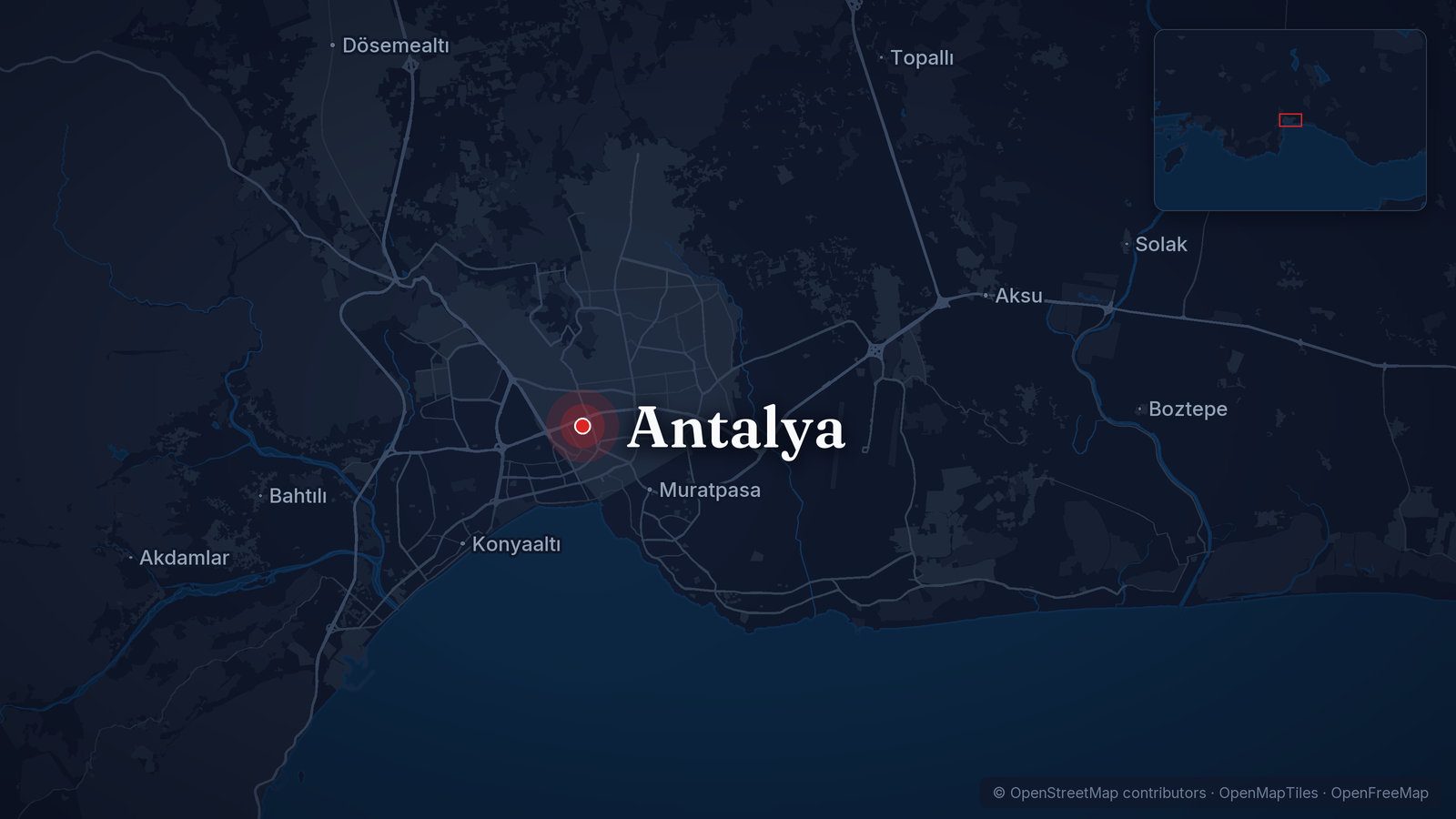
2 Other1 Western Alternative1 Western MainstreamMap: © OpenStreetMap contributors, ODbL · Cropped for layout
This article is an automated aggregation of coverage from news outlets. Our editorials offer in-depth analysis curated by the NewsCord team.
Electricity share target rises to 35% by 2035 as a voluntary pledge, no generation rules. Supported by a dozen countries including Germany, South Korea, Pakistan and small island states.
Save coverage image
35 by 35 debate
COP31 talks in Antalya put Türkiye’s voluntary “35 by 35” electrification pledge at the center of negotiations, with Türkiye pressing governments to support a target to lift electricity’s share of global final energy consumption to 35% by 2035 from about 23% now. Murat Kurum, Türkiye’s environment minister and COP31 president, presented electrification as the conference’s central implementation agenda and said electricity now accounts for about 23% of global final energy consumption and the goal was to raise that share to 35% by 2035. Chris Bowen, Australia’s climate change and energy minister and COP31 president of negotiations, said reaching 35% by 2035 would require more than a fourfold increase in the annual pace of electrification.
The draft pledge said participating countries retain authority over their own electrification plans and that pathways will differ by national circumstances, while the published text connected electrification to renewable generation, efficiency, emissions abatement, resilient networks and affordable finance. Reuters reported that the pledge’s qualification, which leaves open the possibility that new demand could be supplied by fuels other than renewables, became a focal point as Portugal, vulnerable Pacific island states and some European countries sought clearer language connecting the initiative to clean power and a transition away from fossil fuels.
Support with conditions
More than a dozen countries backed the Turkish COP31 presidency’s flagship electrification pledge, including Germany, South Korea, Pakistan and several small island states, while the COP31 presidency was not expected to publish a full list of backers until next week. Climate Home News said at least 14 countries had publicly endorsed the pledge and listed Germany, Norway, Finland, South Korea, Pakistan, Zimbabwe, Eswatini, Togo and Liechtenstein, along with Palau, Seychelles and the Solomon Islands.
Palau said it would sign on to the pledge but warned that electrification “must not become a substitute or a distraction” from the chief goal of transitioning away from fossil fuels. Seychelles endorsed the pledge but told the roundtable that electrifying more activities while continuing to burn fossil fuels “will not deliver the full economic or climate benefits,” and Australia’s Chris Bowen defended the design by saying “Electrification is almost always a good thing.”
Justice, finance, and targets
UN Secretary-General António Guterres called for a new Climate Justice Compact at COP31 in Antalya and warned that emissions in 2025 reached all-time highs while current policies remain insufficient. Guterres said global emissions must fall by around 6% annually and argued that current national climate plans would achieve, at best, one-third of the necessary reductions, leaving the world on a trajectory exceeding 2.5°C of warming by the end of the century. EU Commission President Ursula von der Leyen reaffirmed Europe’s 2030 and 2040 climate targets and backed the 35-by-35 Global Electrification Pledge, while highlighting the EU’s objective of increasing electricity’s share of final energy consumption to 46% by 2040.
Von der Leyen reported that Europe contributed more than €32 billion in climate finance for developing countries last year and mobilised over €300 billion in sustainable investments through Global Gateway, and she linked further electrification to lower consumer energy costs, reduced emissions and greater resilience against disruptions to global fossil fuel supplies. Guterres also called for developed countries to deliver at least $300 billion annually by 2035 and urged fossil fuel windfall profits to contribute to climate damage costs, noting that nine major oil companies generated $95 billion in profits in one quarter.