India06 October, 20263 min read
Delhi Police Detain Rahul Gandhi Over Demand for CEC Gyanesh Kumar Resignation
This article is an automated aggregation of coverage from news outlets. Our editorials offer in-depth analysis curated by the NewsCord team.
Delhi police detained Rahul Gandhi during protest demanding CEC Gyanesh Kumar's resignation. Nationwide protests erupted over voter list changes attributed to the election commission's actions.
Police Detain Rahul Gandhi
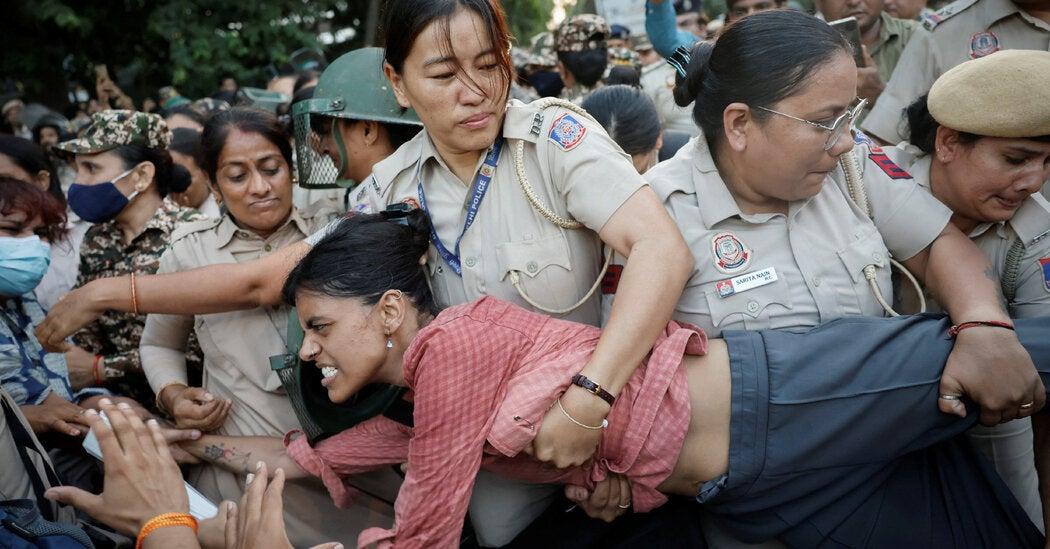
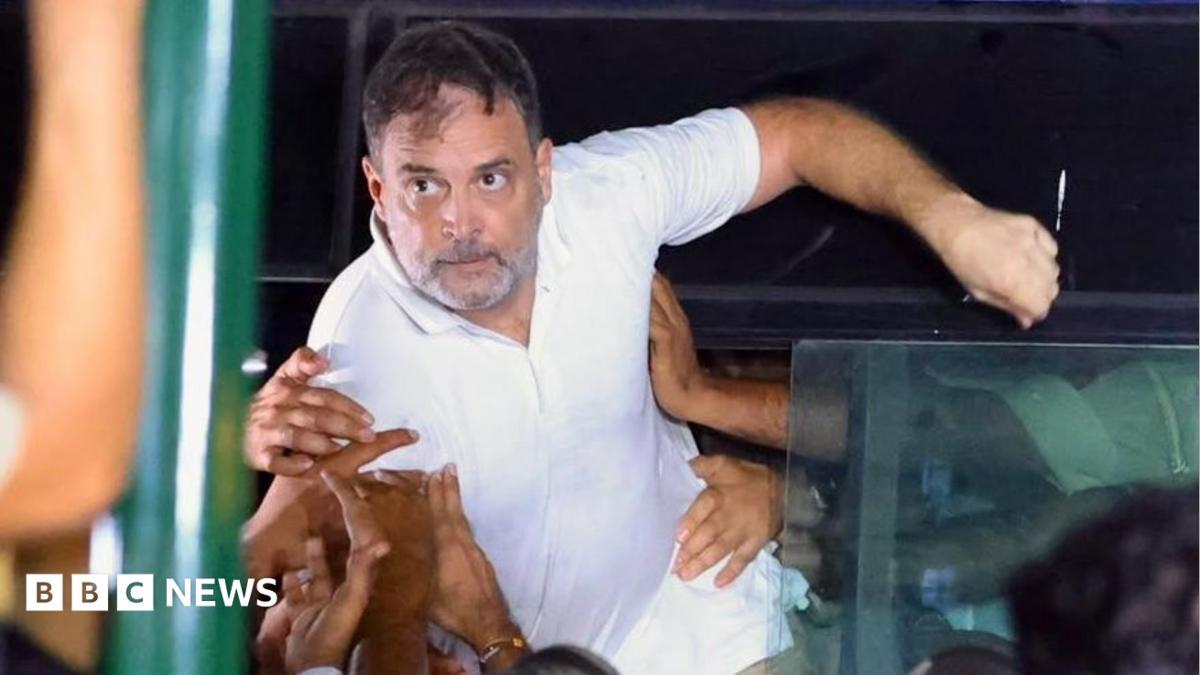
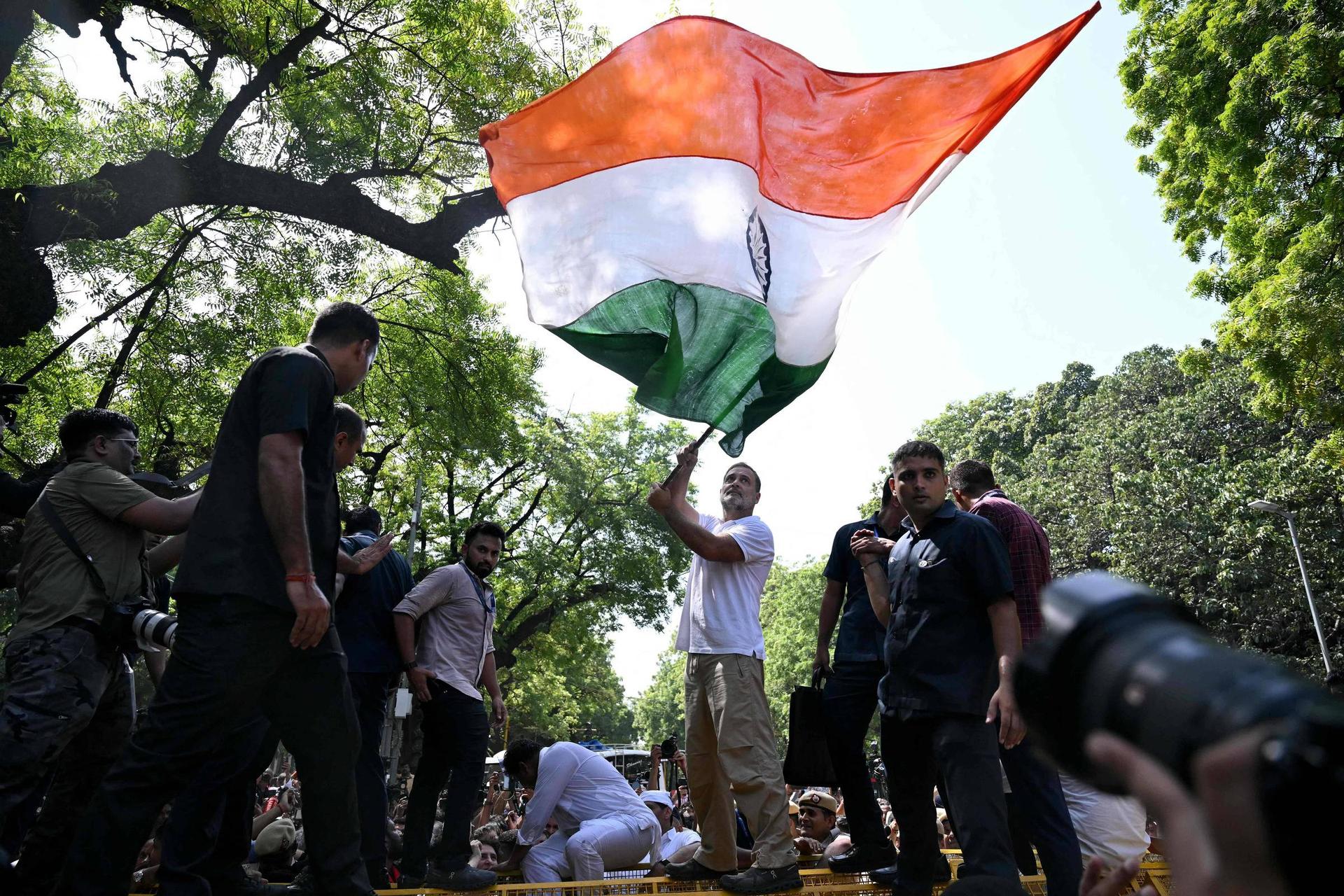
Police in Delhi broke up a protest by Rahul Gandhi and other MPs seeking the resignation of Chief Election Commissioner Gyanesh Kumar over a controversial voter roll revision, and videos of police forcing Gandhi onto a bus went viral on social media. The Election Commission said it was willing to meet the opposition but objected to the proposed 240-member delegation meeting, and the commission said a party representative must request an appointment and that meetings are held at the commission. Rahul Gandhi told reporters, "We are all opposition MPs... and we just want to speak with them," and he added, "I do not know why the Election Commission does not want to talk to us."
Police officers carrying batons and wearing body cameras reportedly outnumbered protesters along the route between parliament and the commission’s office, and police official Manjeet Sheoran told the BBC that they detained several MPs who tried alternative routes. News agency ANI, citing a statement from the police, reported the protesters were removed "to maintain law and order and prevent the situation from escalating."
SIR Sparks Nationwide Protests
Protests spread across India in the past week as opposition parties and civil society groups demanded the resignation of Gyanesh Kumar and an end to the Election Commission’s Special Intensive Revision, or SIR, of voter lists. The Election Commission says the exercise is needed to remove duplicate and ineligible entries and ensure legitimate voters remain registered, while critics say it could instead exclude legitimate voters and that the requirements are confusing and difficult for many people to provide. The dispute centers on SIR, which began last year in the eastern state of Bihar ahead of local elections and has since expanded to most of India’s states and federally administered territories.
The Guardian said India’s supreme court demanded accountability from the government and the election body over the exercise that has led to the deletion of tens of millions of voters and prompted mass protests, and it said the court expected the government, the ECI and Kumar "to respond in a clear, transparent manner". The Guardian also quoted Menaka Guruswamy, a lawyer acting for one of the petitioners, saying, "Deletions of voters have been made in the largest democracy."
Supreme Court Notices and Stakes
India’s supreme court issued notices to Narendra Modi’s government, the ECI and Kumar to demand answers over concerns raised about the voter list revision, and it said it expected all "to respond in a clear, transparent manner". The Guardian reported that the ECI claimed the exercise is simply cleaning electoral rolls of duplicate, dead and ineligible names, as well as removing "illegal infiltrators," while large numbers of people in Delhi and states such as Bihar and West Bengal said they were wrongly stripped of their vote. The Guardian said another advocate told the supreme court judges that if action was not taken to ensure India’s electoral rolls remained fair, "this country will burn," and it said another hearing in the cases would be held next week.
Nearly a billion people in India’s biggest democracy are being asked to show documents to prove they should keep the right to vote, and the exercise has expunged over 130 million names. Rohinton Nariman, a former solicitor general of India and a supreme court judge, said in a lecture last week, "The heart of our democracy, which is the right to vote, is at great peril."