Protests17 June, 20262 min read
Federal Officials Indict 15 Minnesotans Over Anti-ICE Conspiracy In St. Paul
This article is an automated aggregation of coverage from news outlets. Our editorials offer in-depth analysis curated by the NewsCord team.
15 Minnesotans charged by DOJ with conspiring to impede or injure federal ICE agents. Several defendants face additional charges such as threats, violence, stalking, or destruction of government property.

Indictments spark protests
Federal officials said a grand jury indicted 15 Minnesotans “for conspiracy to impede or injure federal officers,” and for efforts to allegedly “violently oppose immigration law enforcement” during the surge of federal immigration officers in the state earlier this year.
Daniel Rosen, the U.S. attorney for Minnesota, told reporters the 15 were “charged not for what they said but what they did,” as people responded to the charges by protesting outside the federal courthouse in St. Paul.

MPR News reported that U.S. marshals sprayed pepper spray and released aerosol grenades after protesters tried to hold open a door.
The monthslong surge of federal immigration agents into Minnesota — at its peak some 3,000 agents from Immigration and Customs Enforcement and other federal agencies flooded the region — had gripped the state and the nation over the winter, setting the backdrop for the Tuesday indictments.
Signal, arrests, and claims
Prosecutors said the 15 people charged conspired to impede federal immigration agents during Operation Metro Surge, and Sahan Journal reported that Rosen said the actions of the 15 went beyond peaceful protest and constitutionally protected free speech.
Rosen said, “These defendants are not being charged for what they said, but what they did,” and Sahan Journal reported that the indictment alleged members of a group called Direct Action Minnesota tried to block ICE agents’ movement to and from the Bishop Henry Whipple Federal Building near the Minneapolis-St. Paul International Airport on Jan. 23 and March 1.
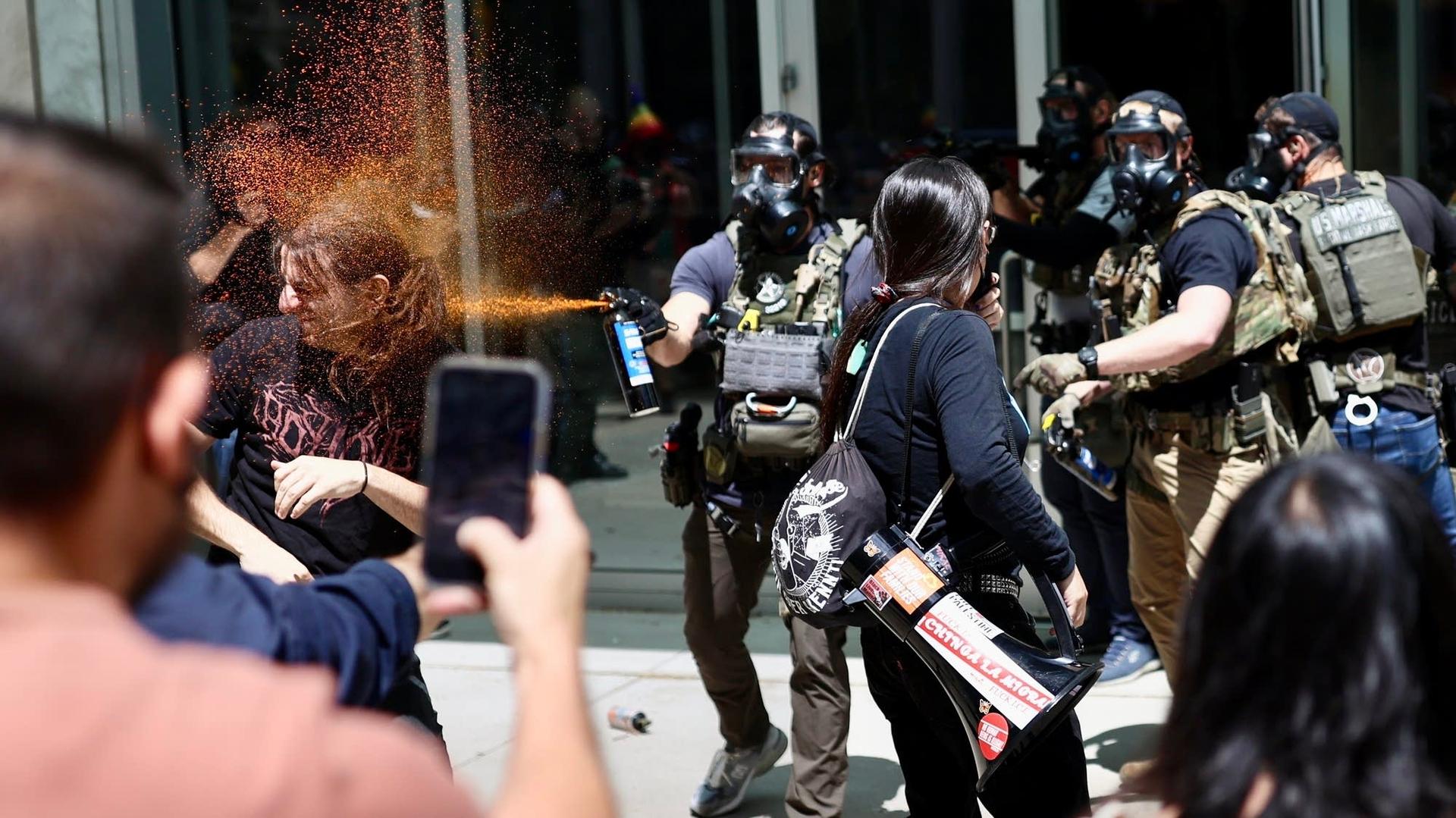
Sahan Journal also reported that Dozens of protesters rallied outside the federal courthouse building in Minneapolis on Tuesday morning and called the arrests a “naked political attack” by President Donald Trump over resistance to his administration’s immigration enforcement operation in Minnesota.
The Daily Chronicle said prosecutors showed photos of protesters blocking streets and creating barricades near the Whipple Federal Building, and it reported that Daniel Rosen and Michael McCarthy announced the charges at a press conference Tuesday.
Legal fights and access
The Intercept described how anti-ICE activists relied on Signal for secure communications in Minneapolis, and it said the indictment is built upon “more than a dozen Signal groups” and “more than 100 specific messages.” It also raised the question of how Homeland Security Investigations gained access, noting that the indictment “doesn’t provide a clear answer,” while pointing to clues suggesting law enforcement may have accessed physical devices of some of those indicted.
RTBF focused on the legality of publishing agent identities, saying ICE List is hosted in the Netherlands and that “There is no direct criminal jurisdiction by American courts over a site hosted in the Netherlands.” In response to the legal debate, RTBF quoted lawyer Carine Doutrelepont saying “The GDPR does not necessarily trump freedom of expression,” while warning that publication remains punishable if content is manifestly illegal, defamatory, false, or directly endangers people.