Protests10 July, 20262 min read
Human Rights Watch Says Cuba’s Government Repression Leaves About 800 Political Prisoners After July 11, 2021
This article is an automated aggregation of coverage from news outlets. Our editorials offer in-depth analysis curated by the NewsCord team.
HRW and Justicia 11J estimate about 800 political prisoners remain. 11J protests were Cuba's largest since 1959, prompting a repression wave.
11J protests’ five-year toll
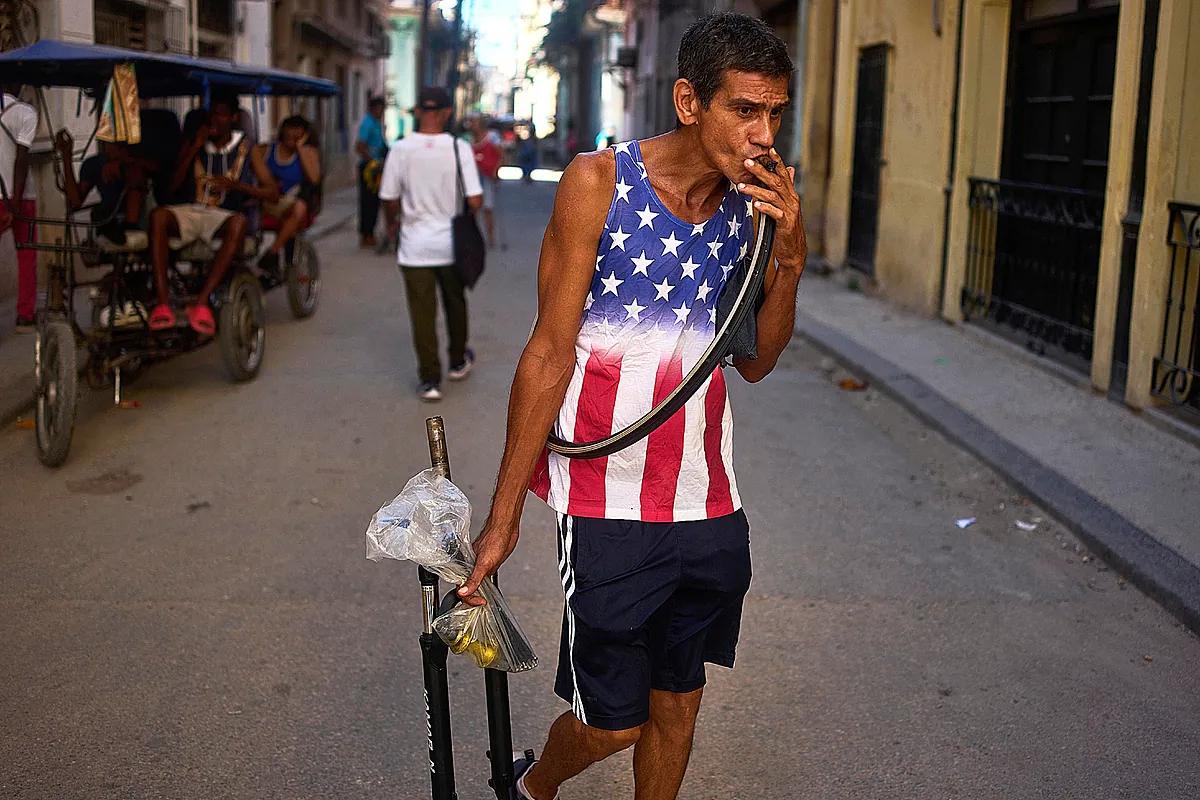
Five years after Cuba’s July 11, 2021 nationwide demonstrations, Human Rights Watch says the government responded with “a wave of repression,” leaving about 800 political prisoners still behind bars, nearly half tied to the protests. Human Rights Watch said Cuban courts convicted many of them of crimes for engaging in what it described as lawful acts of free expression and association, while others were accused of violent crimes such as throwing stones.
The rights group also said artist and activist Luis Manuel Otero Alcántara was sentenced to five years in prison, should have been released on July 9, and was instead transferred to an undisclosed location while awaiting admission to the United States under the Significant Public Benefit Parole program. Human Rights Watch reported that Cuban prosecutors accused Juan Enrique Pérez Sánchez of throwing rocks based on “odor traces” allegedly found on the rocks, and that forensic experts from the International Rehabilitation Council for Torture Victims said such traces “should not be considered as scientifically based evidence.”

Vigils, strikes, and demands
A Center for a Free Cuba press release said a vigil at the Cuban Embassy in Washington, DC would be held on Saturday, July 11 at 7:00PM for the five-year anniversary of the 11J protests, co-organized with Students for Liberty.
The release said attention would be drawn to political prisoners “in serious health conditions, or under severe repression,” and it named John Suárez as executive director of the Center for a Free Cuba.
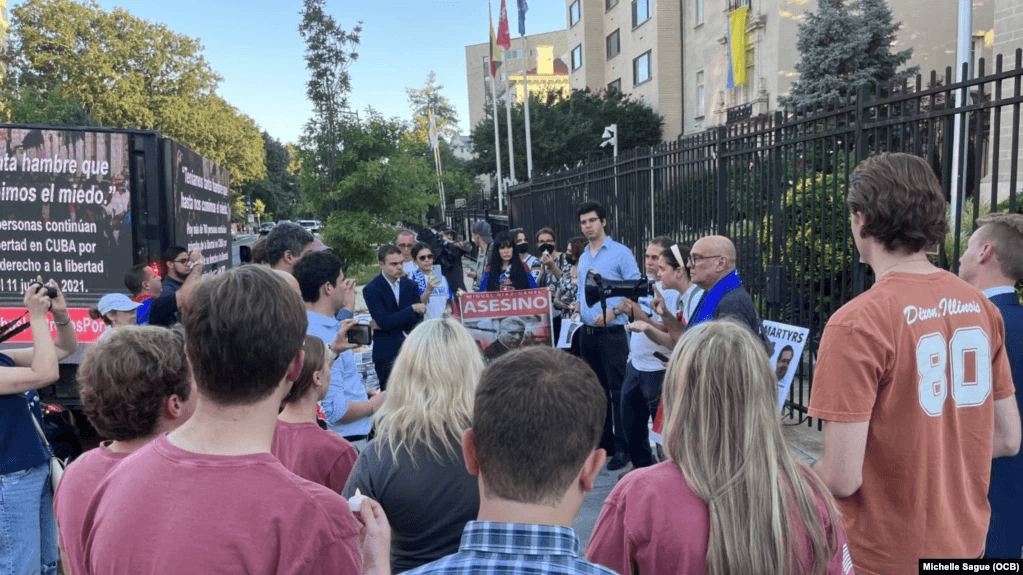
In the same press release, Suárez demanded: “Where is Luis Manuel Otero Alcántara? This prisoner of conscience completed his unjust five year prison sentence, only to be taken by the secret police and held incommunicado.”
Just two questions framed Justicia 11J’s campaign “Five Years Without Justice,” launched around “What remains pending? What still needs to be done?” as it sought to spur a new stage of actions for release of those imprisoned for the July 2021 protests.
Detentions, sentences, and new pressure
Diario de Cuba said Justicia 11J documented at least 1,600 detentions related to the anti-government protests that erupted on July 11, 2021, and that 337 people remained in custody as a result of the repressive environment opened after the demonstrations. The same article reported that Justicia 11J said the median of sentences imposed reaches ten years in prison, with 167 people serving ten years or more and a highest sentence rising to 22 years.
Diario de Cuba also described a new hardening of the regime’s response, saying protests sparked by blackouts, lack of water, and the deterioration of living conditions were met with detentions, police operations, and surveillance by State Security, especially in Havana. It further reported that Yoan de la Cruz, described as streaming live early images of the 2021 social eruption, completed two months in detention under investigation for suspected crime of currency trafficking and was confined in the operations unit known as 'the Technician' in Guanajay, while his mother Maribel Cruz told Martí Noticias that his cell had extreme heat, blackouts, mosquitoes, and bedbugs.