Protests21 August, 20262 min read
Hundreds Protest in Downtown Tunis as Kais Saied Faces Calls to Step Down
This article is an automated aggregation of coverage from news outlets. Our editorials offer in-depth analysis curated by the NewsCord team.
Hundreds protested in Tunis demanding Kais Saied resign and democratic restoration Protest linked to prolonged power and water cuts amid extreme heat and rising living costs
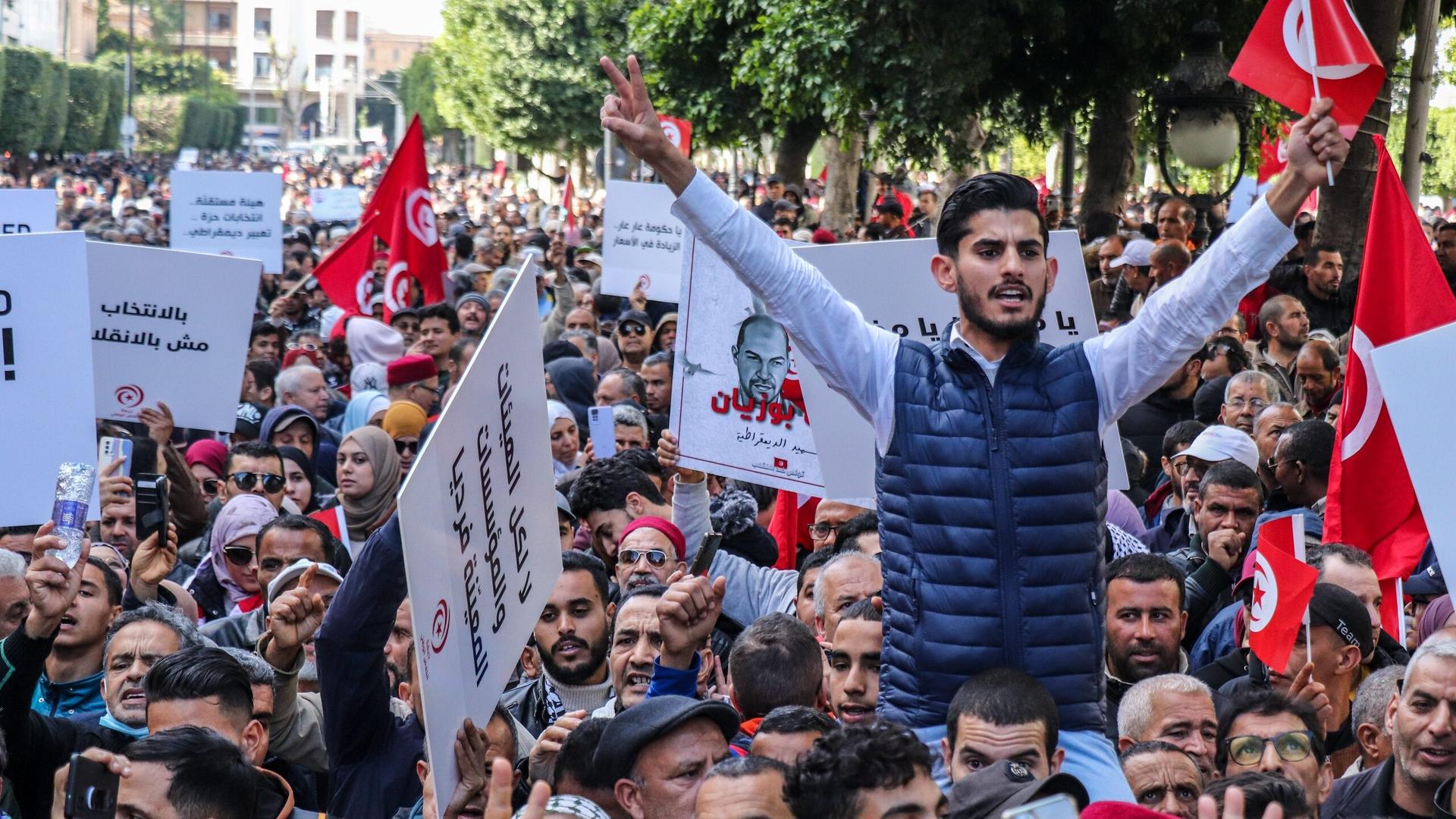
Heat, power cuts spark rallies
Hundreds of Tunisians took to the streets of downtown Tunis on Thursday evening, calling for President Kais Saied to step down as weeks of water and electricity cuts fueled anger during extreme heat. Al-Monitor said the protest was organized by the newly formed Nafas movement, launched in May to bring together political parties and independent figures that have struggled to cooperate in opposition to Saied.
Africanews reported that the heat wave pushed electricity demand to record levels and led state-owned utility STEG to introduce rationing measures in several regions, while power cuts affected water pumping stations. The Associated Press said the Nafas movement called the protest as temperatures reached up to 50 degrees C (122 F) in some parts of Tunisia, with power failures disrupting water pumping and other services.
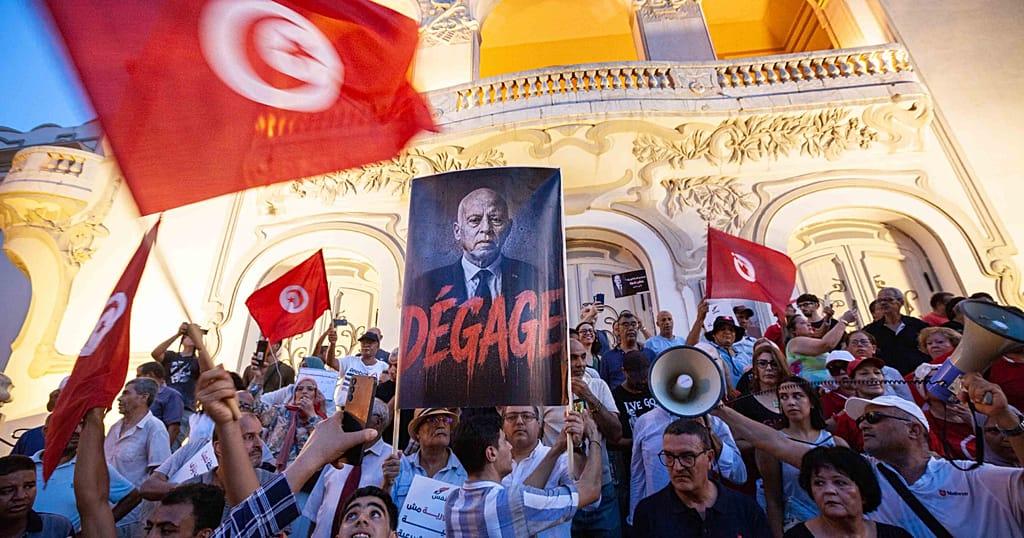
Voices, chants, and accusations
Protesters tied the demonstrations to both public services and political freedoms, with Africanews quoting protester Youssef Hleli saying, “The country has hit a wall. There is no water or electricity.”
Democracy Now! featured Moataz Marzouki warning that, “We have gone back to a state where people are afraid to speak the truth or to defend their rights.”

Reuters said hundreds of protesters rejected “one-man rule” and “a slide towards dictatorship,” and urged the release of jailed opposition figures, activists and journalists.
Reuters also quoted activist Wissem Sghaier saying, “Enough of the failure, enough of the injustice and enough of the absurdity. The country is experiencing a complete collapse,” while noting Saied denies accusations of political repression and says he is enforcing the law.
What’s at stake next
The protests come as Tunisia’s opposition links street mobilization to the restoration of democracy and the release of jailed opposition activists and journalists, with Democracy Now! saying demonstrators also demanded the release of jailed opposition activists and journalists. Reuters said the protests do not, in themselves, signal an imminent political shift, but they reflect growing pressure on the president and the ability of Saied’s opponents to mobilise in the streets despite their divisions.
“There’s no water, no electricity, and no freedom.”
Al-Monitor reported that Saied convened members of his cabinet alongside the heads of STEG and the state-run water utility SONEDE on July 22 to address outages, after calling water and electricity cuts lasting more than 24 hours “unacceptable.” The Media Line quoted former lawmaker Samir Ben Amor saying, “There’s no water, no electricity, and no freedom,” as it described the summer’s medicine shortages, rising prices, and restrictions on political freedoms intensifying public anger against Saied’s government.