Protests02 November, 20252 min read
ICE Attacks Chicago Residents With Tear Gas During Immigration Raids
This article is an automated aggregation of coverage from news outlets. Our editorials offer in-depth analysis curated by the NewsCord team.
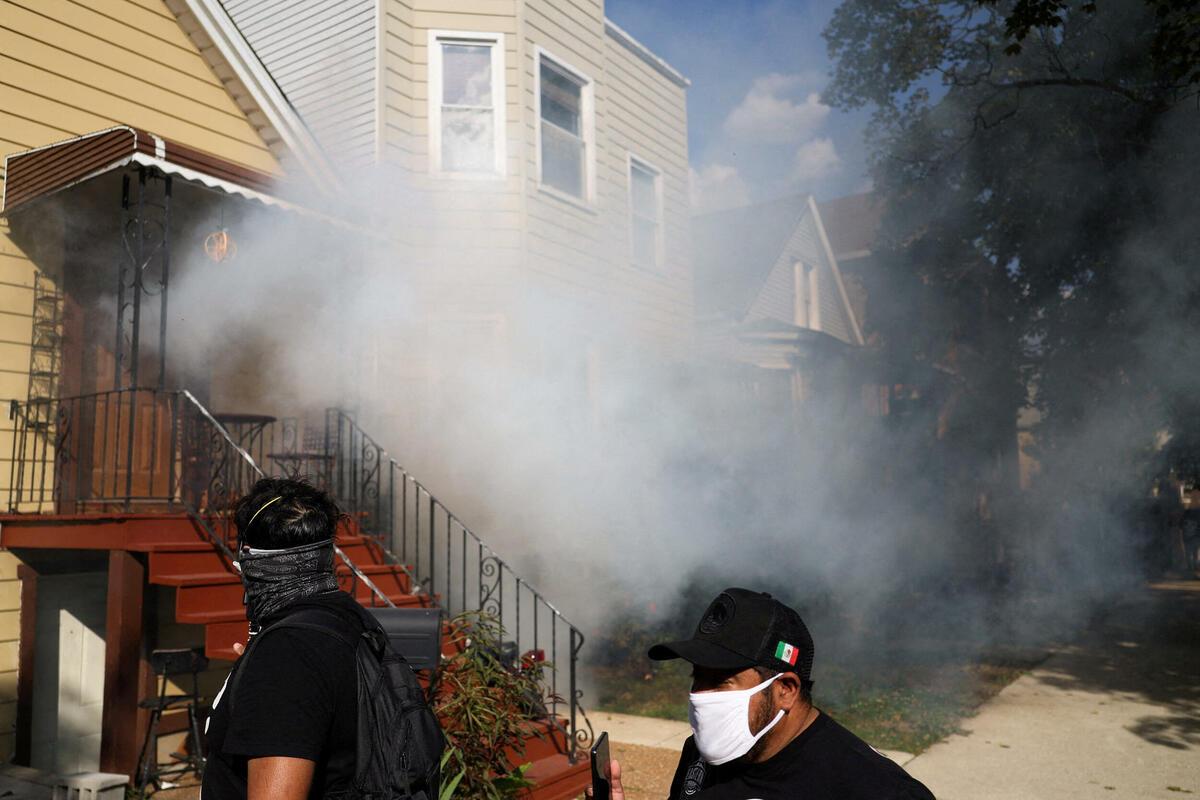
ICE agents deployed tear gas against Chicago residents during immigration raids. A federal class-action lawsuit alleges horrific, inhumane conditions at Broadview ICE facility.
8 outlets told this the same way.
Community Resistance to Immigration Raids
Chicago neighborhoods are mounting organized, hyperlocal pushback against intensified ICE and CBP immigration raids since September. Residents are forming “zone defenses,” tracking agents’ vehicles on social media, and sometimes forcing withdrawals without arrests. Reporting across sources describes coordinated alerts in areas from Little Village to Lakeview and Bucktown, and crowds confronting agents during operations.
“In Chicago, immigration enforcement agents from ICE and Customs and Border Protection have faced growing community resistance amid President Trump’s immigration crackdown since September.”
Multiple outlets report agents deploying tear gas during these confrontations. Residents mobilize through messaging apps and neighborhood groups to block or delay arrests and document tactics in real time.

Community and Agent Confrontations
Across multiple reports, confrontations increasingly involve force, with agents repeatedly deploying tear gas and using Tasers during arrests. Residents respond with noise, presence, and rapid mobilization. Communities have established informal checkpoints and watch groups, including near schools, and monitor surveillance helicopters.
Despite this escalation, hospitals report few treated injuries. A federal judge has ordered agents to wear body cameras and provide warnings before using tear gas.

Conflicting Reports on Incident Severity
Accounts differ significantly regarding the extent of harm caused during the incident. Moneycontrol reports that agents used tear gas, Tasers, and firearms, resulting in injuries and at least one death. Vijesti.me mentions shootings but does not confirm any fatalities.
“DHS officials maintain that their officers remain professional.”
Arab News describes multiple deployments of tear gas and use of force, while hospitals report only a few injuries. Devdiscourse describes the arrests as violent in nature.
DHS officials, according to vijesti.me, assert that their officers acted professionally. This highlights a stark contrast between official statements and community reports.
Legal Actions on Detention Issues
Alongside street confrontations, legal oversight and rights battles are intensifying. Multiple sources note a federal judge’s order requiring body cameras and warnings before any tear gas use. Separate lawsuits target alleged abuses at ICE’s Broadview detention facility near Chicago.
Al Jazeera reports a class-action suit alleging inhumane overcrowding and deprivation of food, medical care, legal counsel, and basic necessities. These issues are linked to increased arrests under Operation Midway Blitz. ABC News highlights claims that ICE blocks attorney calls and restricts access for Congress, faith leaders, and journalists.
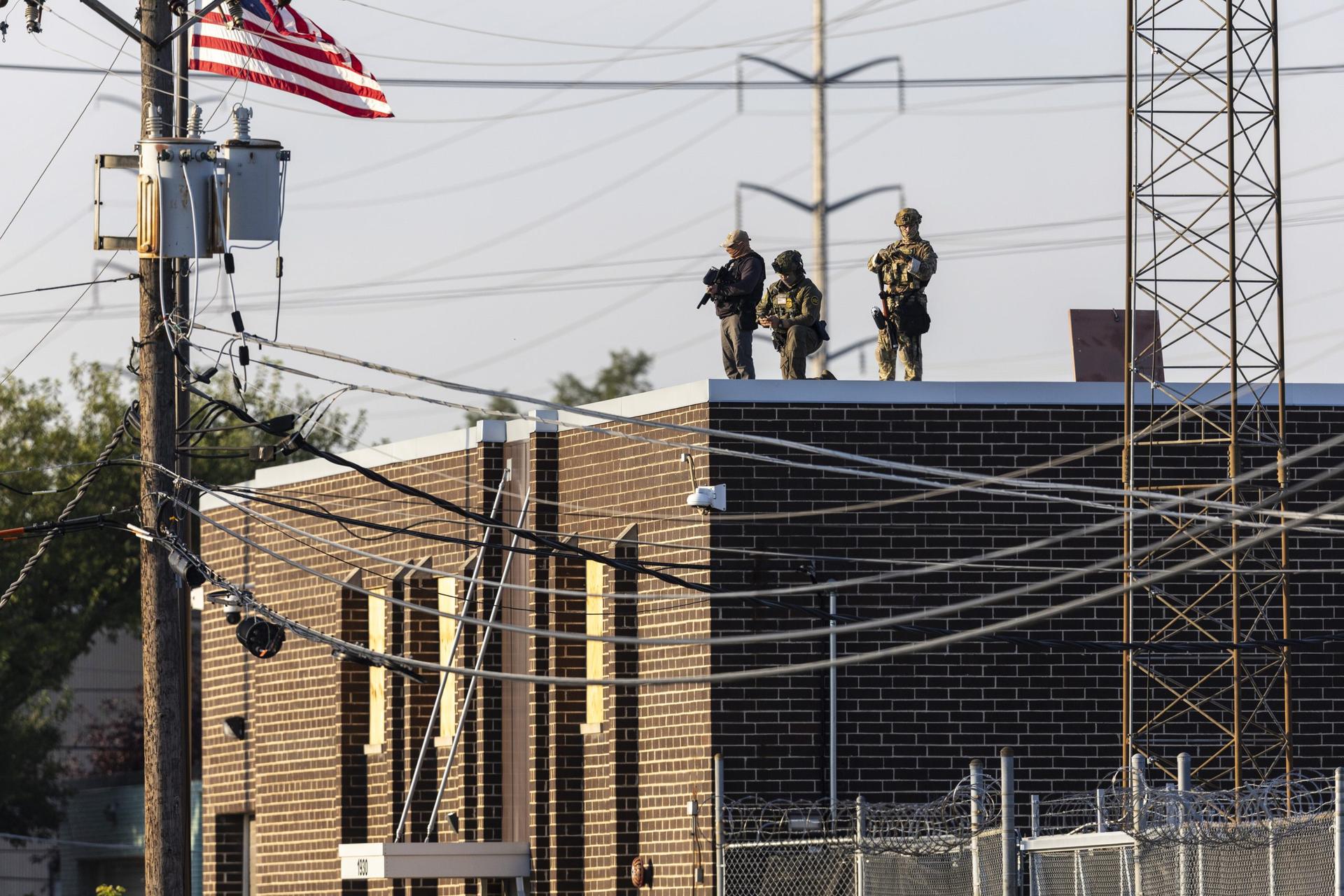
The report also states that detainees are coerced into signing documents. The Department of Homeland Security has previously denied these allegations.
Community Resistance and Federal Operations
Community tactics continue to evolve as neighbors lock doors, surround agents to prevent arrests, and mobilize quickly when helicopters are spotted. Social platforms coordinate real-time alerts that sometimes compel agents to retreat. Sources also note checkpoints and defense posts near schools, reflecting a protective posture around vulnerable areas.
“Neighborhoods like Little Village have actively defended themselves by locking doors and surrounding agents to prevent arrests.”
As operations continue, residents describe a tense stalemate with ongoing federal activity met by sustained, organized resistance. This situation is framed alternately as community self-defense or, according to advocates, a response to intimidation tactics.
