Iran · 09 August, 2026 · 3 min read
Iran President Pezeshkian Says Mojtaba Khamenei Is Completely Healthy After Meeting
Pezeshkian says Supreme Leader Mojtaba Khamenei is in perfect health after a seven-hour meeting. The meeting reportedly conveyed a message of unity and cohesion.
Whether Iran’s leadership also performed a major security reshuffle.
7 of 8 outlets skipped it: mehr video is the first filmed material since his March appointment.
12outlets compared
Same story, two versions
tap a side to read it in full
News18 ties health denial to reshuffling; Al Jazeera foregrounds the unity message.
Health claims and reshuffle
Iranian President Masoud Pezeshkian said Supreme Leader Mojtaba Khamenei is “completely healthy,” dismissing reports about his condition after holding a meeting with Khamenei described as “very good.” Pezeshkian argued that “Someone who can sit and discuss for seven to eight hours cannot have any health problems,” and he pointed to the length of the meeting as evidence. The health clarification came alongside a sudden reshuffle in Iran’s political and national-security establishment, with Mojtaba Khamenei appointing Mohammad Bagher Zolghadr as his political adviser and Mohsen Rezaei to a senior role in the Supreme National Security Council.
In posts on X on Sunday, Khamenei announced the appointments and praised both men, with the News18 report tying the timing to Khamenei’s meeting with Pezeshkian. NNews18 also placed the moves in a sensitive moment for Tehran, noting Iran had issued conditions for reopening the Strait of Hormuz and continuing indirect communication with Washington through intermediaries.

Video, rumors, and denials
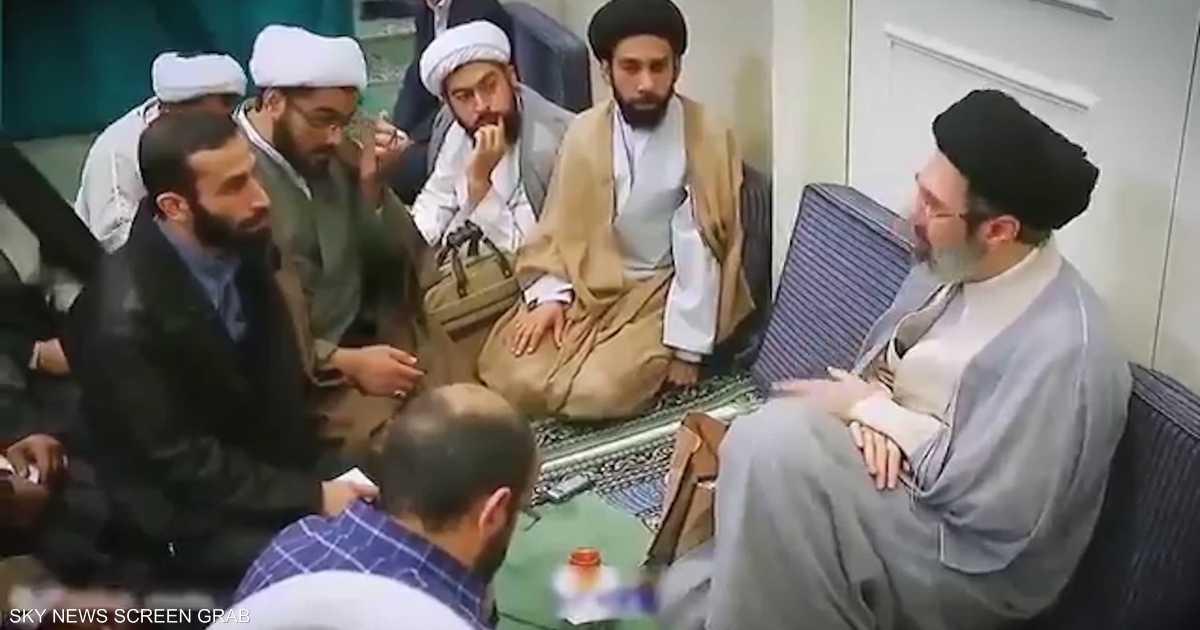
Mehr News Agency released an undated video showing Khamenei appearing to be in good health after Israeli media reports claimed he was in critical condition and had been admitted to a hospital. The Times of India said the video was published by Mehr “in an apparent effort to counter growing speculation,” after Israeli media reported Khamenei was in an “extremely critical condition.” Pezeshkian acknowledged in a state television interview that direct contact with Khamenei was “very difficult,” while multiple outlets described Khamenei as having made no public appearances since becoming Supreme Leader and communicating only through written statements.
The Economic Times quoted Pezeshkian saying, “Someone who can sit and discuss for seven to eight hours cannot have any health problems,” and it also described the reshuffle that moved Zolghadr into a political adviser role and appointed Rezaei to represent Khamenei on the security council. The Times of India also reported that in July Saudi outlet Al Hadath, citing an Israeli security source, said Khamenei was “not in Iran,” and it said US President Donald Trump told Fox News that Khamenei was “90% gone” and incapacitated.

Security roles and what’s at stake
News18 said Zolghadr had taken over as SNSC secretary in March following the killing of Ali Larijani and had emerged as one of the prominent hardline figures in Iran’s security establishment. NIt added that Zolghadr’s move into the political adviser role did not necessarily reduce his influence, while Rezaei’s elevation kept a senior IRGC figure directly involved in Iran’s strategic security decision-making. The Economic Times described the reshuffle as placing Zolghadr closer to Khamenei’s political inner circle while Rezaei assumed the institutional security role, and it said the timing followed Khamenei’s extensive meeting with Pezeshkian.
News18 reported that their discussions covered Iran’s economic and military situation, the future of the ongoing conflict, military developments, resource mobilisation, and the management of domestic currency, foreign currency and energy spending. NIn the same reporting, News18 framed the leadership changes as occurring as Iran faced major security and diplomatic challenges, with the Strait of Hormuz reopening conditions and indirect US communication described as adding “another layer of uncertainty” to decision-making.N