Iran15 September, 20262 min read
Iran’s Ebrahim Azizi Says Tehran Won’t Negotiate With the United States Until Conditions Are Met
This article is an automated aggregation of coverage from news outlets. Our editorials offer in-depth analysis curated by the NewsCord team.
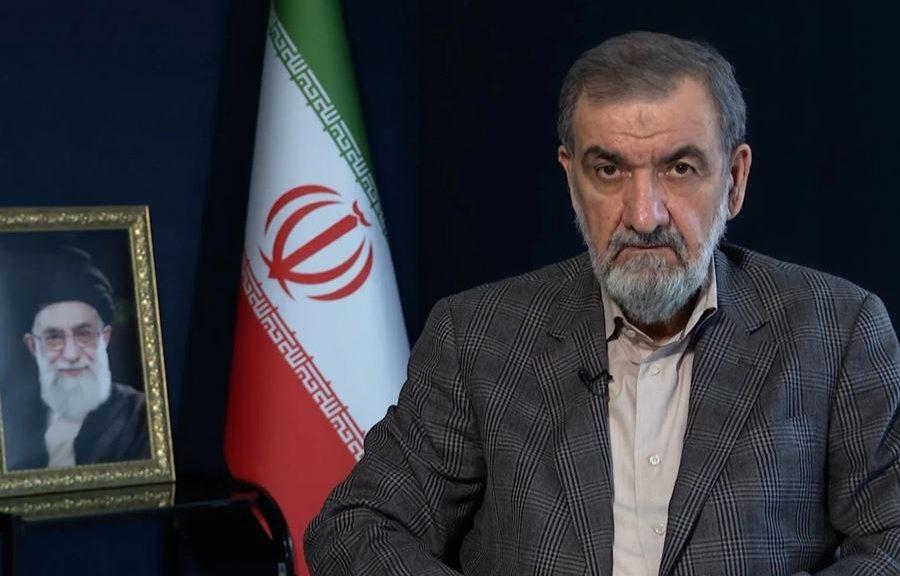
Iran will not enter negotiations with the United States until Tehran's conditions are met. Ebrahim Azizi, head of Iran's Parliament National Security and Foreign Policy Committee, issued the remark.

31 outlets told this the same way.
Outlets did split on Mohsen Rezaei Says Iran Will Determine When Confrontation With America Ends →
BBC was read line by line by the Watchdog: 3.5. See the score →
No talks without terms
Iran’s parliament’s National Security and Foreign Policy Committee chairman Ebrahim Azizi said Tehran will not enter negotiations with the United States until Washington accepts Iran’s conditions, framing any talks without those terms as futile.
“‘No negotiations. Until Iran's terms are met, talks are futile,’ Aziz stated in a post on X.”
In a post on X, Azizi wrote, "No negotiations. Until Iran's terms are met, talks are futile," as cited by Breakingthenews.net.
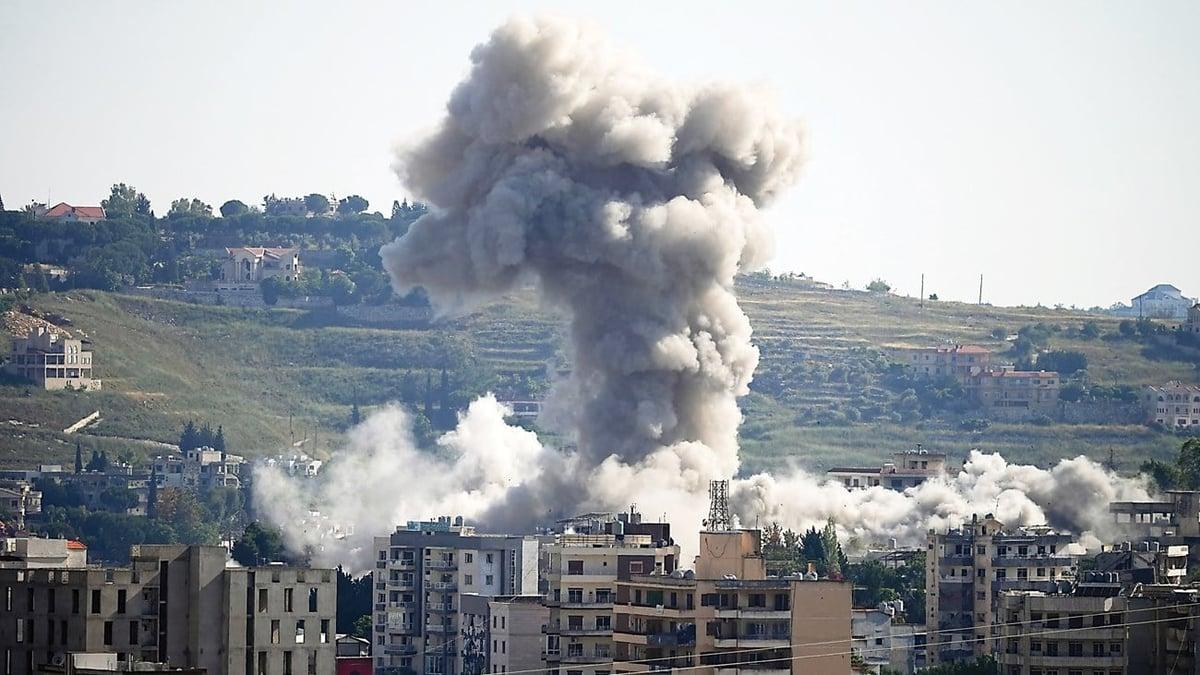
An Anadolu Ajansı report also attributed the same stance to Iran’s parliament committee head Ebrahim Azizi, saying "No negotiations. Unless the American side accepts all of Iran's conditions, meetings and negotiations will not be beneficial."
The same Anadolu Ajansı account tied Iran’s conditions to lifting U.S. blockade and economic pressures, releasing frozen Iranian assets, and halting Israeli attacks on Lebanon and Gaza as prerequisites for resuming negotiations.
Trump, uranium, and blockade
News On AIR described negotiations as stalled over uranium stockpiles, sanctions relief, and compensation for war-related damages, after Trump issued a fresh warning to Tehran and urged Iran to move quickly toward an agreement. The outlet said Trump’s remarks came just hours after Iranian media revealed Washington’s core conditions, including that the U.S. wants Iran to hand over 400 kilograms of enriched uranium to the U.S. and keep only one nuclear facility active.
Iran rejected those terms and set its own conditions, including that military operations in the region, especially in Lebanon, must stop, sanctions must be lifted, and frozen Iranian assets must be released, with Iran also demanding compensation for war damages and recognition of its control over the Strait of Hormuz. Iran International reported that Bloomberg said the U.S. naval blockade has severely limited Iranian oil exports, with oil loading during the past month falling to less than 15 percent of its pre-war level, while UK Maritime Trade Operations Center said vessel traffic through the Hormuz Strait remains about 90 percent below its level before the outbreak of the conflict.
Regional talks and election timing
Diario Palentino said Iranian authorities will hold a meeting next Monday in Oman with Gulf countries and Iraq to discuss the results of negotiations with Muscat to establish secure routes through the Strait of Hormuz. It added that the opening of the strategic passage is one of Iran’s cards in the negotiations, but that Iran conditions it on the United States ceasing attacks and complying with the conditions agreed in the memorandum of understanding signed last June.
“‘Right after the election, oil prices are going to be tumbling downward,’ Trump told reporters.”
Separately, BBC reported Trump said he does not think the Iran war will end until after November’s midterm elections, and he argued oil prices will not come down until then, telling reporters, "Right after the election, oil prices are going to be tumbling downward." The BBC account also said the conflict began when the U.S. and Israel attacked Iran in February and that midterm elections will be held on 3 November, with Republicans in danger of losing control on Congress.