USA · 01 August, 2026 · 3 min read
Iranian Hackers Target Water Systems in Minnesota and Michigan, Investigators Probe Seven States
Seven states reported water-system cyberattacks, including Minnesota and Michigan. U.S. intelligence and the FBI assess Iran as the main suspect.
Who should be blamed for the Minnesota incident.
13 of 15 outlets skipped it: FBI cited PLC targeting and password/IP changes..
32outlets compared
Same story, two versions
tap a side to read it in full
CBS News
“Investigators are whether Iranian hackers are behind the malicious cyber activity this week”Read the original ↗
Folha and NY Post foreground Trump blame; CBS keeps Iran-suspect framing.
Water Attacks, Iran Suspected
Federal investigators are probing whether Iranian hackers are behind malicious cyber activity that targeted water systems in seven states, including Minnesota, with officials saying they had not definitively determined Iran was responsible and that the investigation remains preliminary.
“targeted water systems in seven states, including Minnesota”
The CBS News timeline describes how Iranian-linked operators have repeatedly hacked accessible American targets for more than a decade, including distributed denial-of-service attacks against 46 financial institutions between 2011 and 2013.C
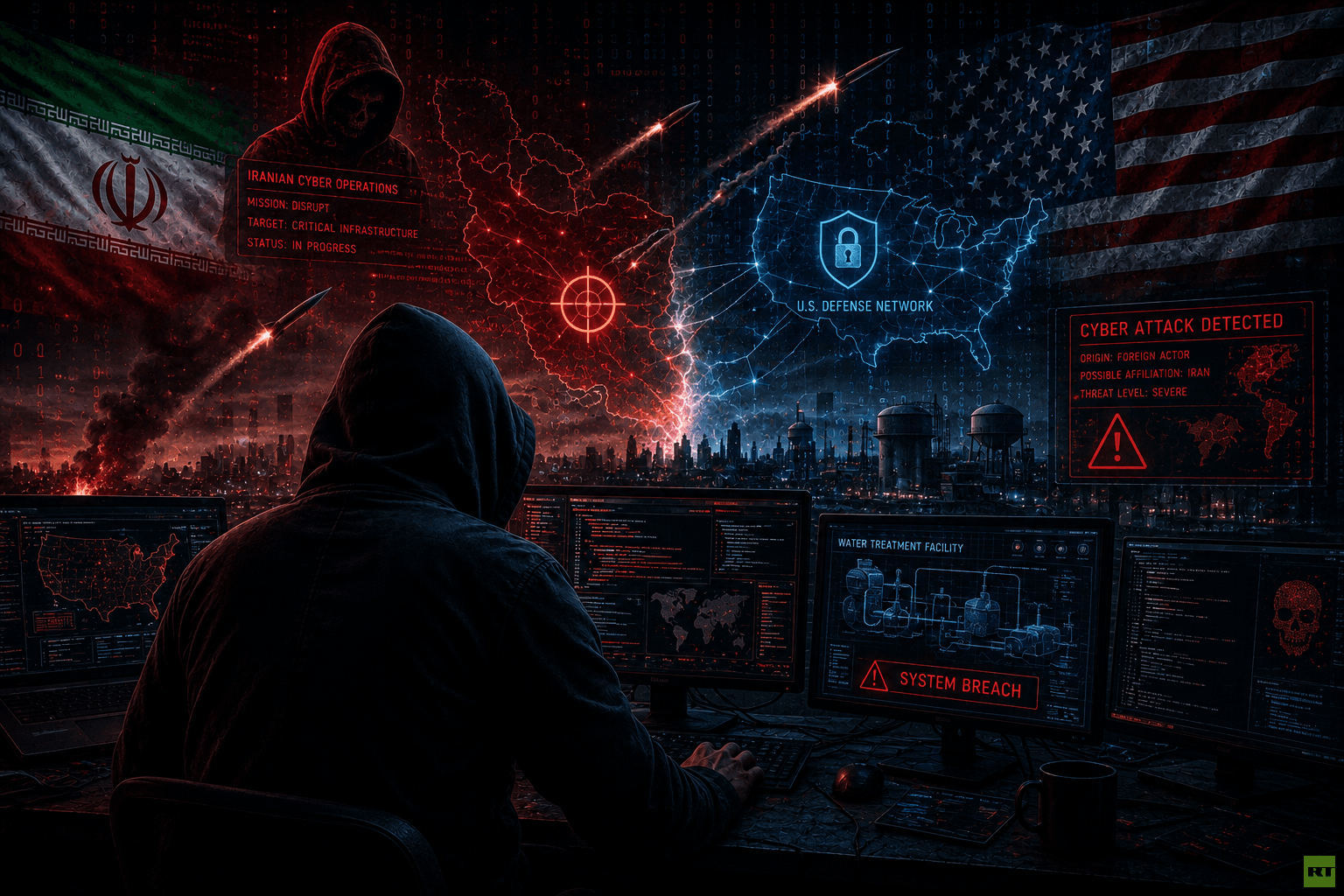
In Minnesota, authorities said hackers were detected attacking approximately three dozen municipalities, and the attack was linked to disruptions to water operations reported as at least seven states reported incidents to the FBI.
The Folha de S.Paulo report says Minnesota was the first to publicly report the attacks and that Michigan later said its systems were also targeted, while authorities cautioned that there were no indications any water supply had been altered or rendered unsafe for consumption.F
The Washington Post report frames the immediate concern as federal authorities warning that critical infrastructure systems in the United States could be at risk after at least seven states reported cyberattacks that interrupted their water or wastewater operations this week.
Trump, Walz, and Local Voices
President Donald Trump sought to minimize the matter on Friday the 31st, blaming Minnesota for suffering intrusions that his own intelligence agencies believe were very likely carried out by Iran, while the Folha de S.Paulo report says federal authorities privately said Iran remains the main suspect.F
Minnesota’s Democratic governor Tim Walz rejected the accusation, warning in a post on social media that 'this is what modern warfare looks like'.
In a separate account, the Times of Israel says Trump claimed without evidence during a cabinet meeting at the Camp David presidential retreat in Maryland that recent cyberattacks in Minnesota were the fault of the state, including Democratic Governor Tim Walz, and quotes Trump saying, “I don’t think so.”
The Times of Israel also quotes Braham Mayor Nate George as saying he was “pretty sure it’s Iranian actors” but hesitant to say so publicly, while the Washington Post says federal authorities were warning that critical infrastructure systems could be at risk.
The Washington Post report adds that at least seven states reported cyberattacks that interrupted their water or wastewater operations this week, and that the spy agencies suspect Iran is targeting water.
What’s at Stake Next
Authorities and experts described the attacks as focused on digital-control systems of water, wastewater, and power facilities, with the Al Jazeera-style framing in the Arabic-language reports saying the FBI opened an investigation into a coordinated cyberattack affecting more than 30 municipal water system networks in Minnesota.
““All systems continued to operate safely”
The Times of Israel reports that Michigan joined Minnesota in reporting cyberattacks on nine of the state’s water systems, while Dale George said nine systems were impacted and that “All systems continued to operate safely, issues were addressed by local operators, and there are no known impacts that posed a public health concern.”
The Al Jazeera-style report says the attacks temporarily disrupted one water system in the town of Braham, Minnesota, and caused some sensors in another system to stop functioning, with investigations confirming that one water-treatment plant was breached electronically.
In the CBS News timeline, the same pattern of Iranian-linked operations is described as seeking disruption, intimidate, gain publicity and undermine trust in the American government, with official confirmation taking weeks or months as investigators collect technical evidence.C
The Washington Post report ties the immediate stakes to warnings that critical infrastructure systems in the United States could be at risk after at least seven states reported cyberattacks that interrupted their water or wastewater operations this week, even as officials cautioned they had not yet reached definitive attribution.