Iran · updated 1h ago · 3 min read
Iranian Official Says Iran And US Remain Far Apart As New York Talks Continue
Iran and United States remain far apart on how to end the war; diplomacy continues. Indirect talks mediated by Qatar; discussions consider phased deal revisiting Hormuz opening and sanctions relief.
Which priority the negotiations serve.
3 of 4 outlets skipped it: US seeks free passage for ships on the oil route blocked by Iran.
Al Jazeera was read line by line by the Watchdog: 3.6. See the score →
16outlets compared
Same story, two versions
tap a side to read it in full
CGTN
“diplomacy must continue, a senior Iranian official told Reuters on Wednesday”Read the original ↗
The New York Times
“prioritized persuading the country to end nuclear development involving enriching uranium”Read the original ↗
CGTN stresses continuing peace diplomacy, while The New York Times prioritises US talks aimed at ending uranium enrichment.
Hormuz, blockade, and talks
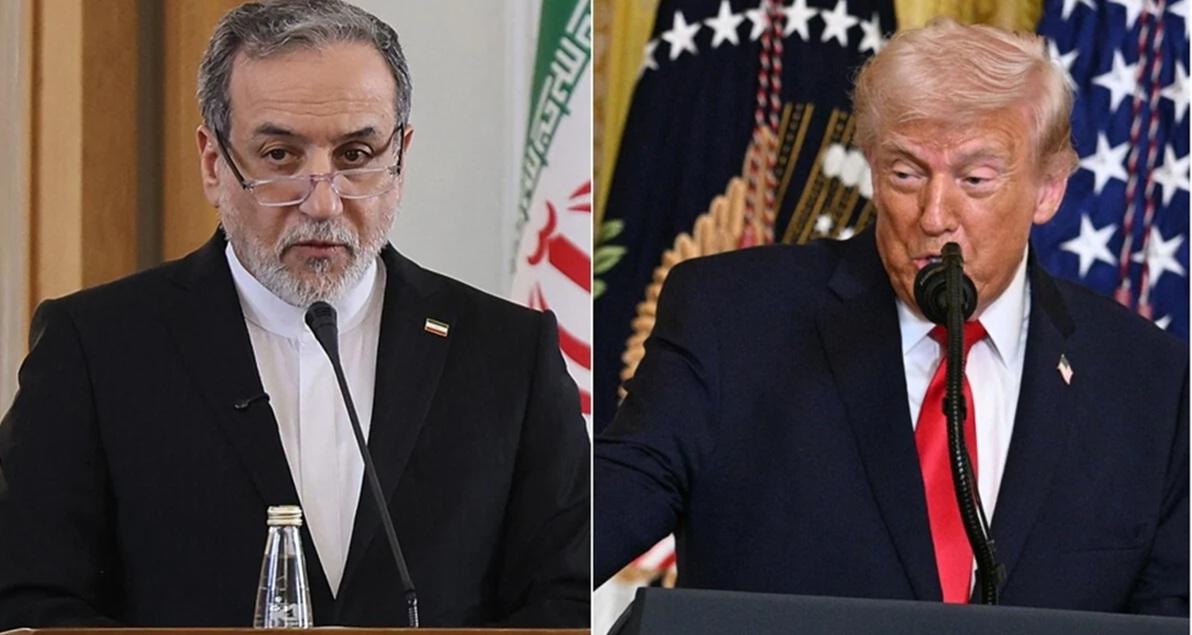
Iran’s senior official told Reuters that “There are still many differences between the Iranian and US positions, but diplomacy is continuing,” as Tehran and Washington held their first known indirect talks since a ceasefire collapsed in July. The official said Tehran was reviewing Washington’s response to peace proposals that prioritize lifting a US naval blockade on Iranian ports and reopening the Strait of Hormuz, while Iran’s President Masoud Pezeshkian told the 193-member United Nations General Assembly that “The Iranian people will not bow to pressure.” Reuters reported that US and Iranian negotiators in New York were exploring a phased path out of war that would involve Tehran reopening the Strait of Hormuz and Washington lifting its economic blockade of Iran.
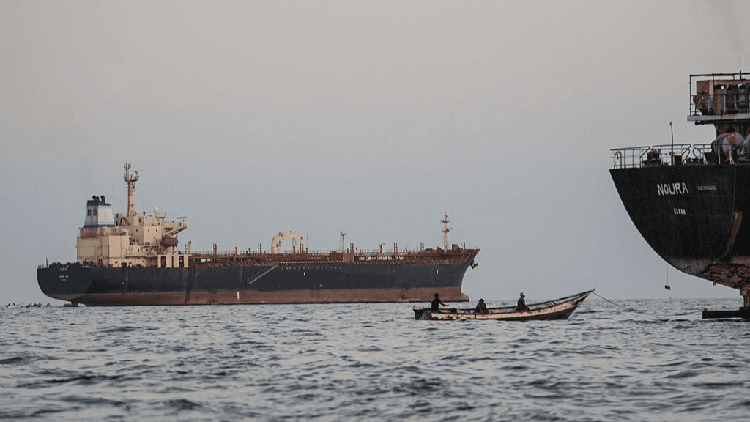
Reuters also said the strait had become the central bargaining chip, with Iran seeking relief from the blockade that was choking its economy and Washington seeking free passage for ships on the global oil supply route now blocked by Tehran. The Reuters report described a key obstacle as neither side wanting to be the first to surrender leverage, even as a senior Iranian official said “One way forward would be to solve the crisis in stages.”

Rhetoric and conditions
Marco Rubio told reporters that reaching an agreement with Iran would require “hard work over a period of time,” while he added that Trump also had military options. In New York, Pezeshkian condemned what he called signals of a threatening mindset by Trump, and Reuters reported that an Iranian official said Tehran was reviewing Washington’s response to its peace proposals. Reuters said Iranian Foreign Minister Abbas Araghchi and US envoys Steve Witkoff and Jared Kushner communicated indirectly on Tuesday through mediators, and Reuters reported that the talks marked the first known exchange between senior Iranian and US officials since the July ceasefire collapsed.
The Iranian Foreign Ministry spokesperson Esmail Baghaei said Tehran conveyed conditions during a two-hour exchange of messages with Washington via a Qatari mediator, including an end to the war on all fronts and an end to US “acts of aggression.” The Reuters report also quoted a White House official saying that “Iran is desperate for a deal, President Trump holds all the cards,” framing the US position as one with “a very strong position” tied to control of the Strait of Hormuz and an Iranian economy described as “collapsing.”
What comes next
Reuters said Trump told negotiators he thought the US and Iran could reach a deal after midterm elections to Congress on November 3, while former US negotiator Dennis Ross saw “only a 30% chance of an agreement” before the vote. Reuters reported that Ross argued the blockade was “what's really squeezing the Iranians,” and he said reopening Hormuz could ease tensions in the Gulf, contain oil prices, and help bring down politically sensitive US gasoline prices. The Reuters report described a leverage problem, saying Washington controls the pressure hurting Tehran most while Tehran controls access to a critical energy chokepoint, and it said neither side wanted to surrender that leverage without extracting something tangible in return.
In parallel, CGTN reported that the dispute over the Strait of Hormuz was at the center of Pezeshkian’s address, with Pezeshkian saying “The permanent deployment of hostile fleets and the expansion of the war will not lead to peace.” CThe CGTN report also said commercial vessels were anchored off Yemen's coast at Bab al-Mandeb, and it cited Yemen’s Houthi group saying more than 400 commercial vessels crossed the Bab al-Mandab Strait between September 11 and September 21, while adding that the numbers could not be independently verified.C