Iran · updated 59m ago · 3 min read
US And Iran Explore Phased Deal To Reopen Hormuz And End US Blockade
US and Iran pursuing phased deal to reopen Hormuz and lift the blockade. Negotiations taking place in New York during UN General Assembly meetings.
13 outlets told this the same way.
7 of 8 outlets skipped it: oil-term and shipping/insurance are market signals of fading tail risk..
Israel National News was read line by line by the Watchdog: 5.8. See the score →
13outlets compared
Phased Hormuz swap
US and Iranian negotiators in New York are exploring a phased path out of war that would involve Tehran reopening the Strait of Hormuz and Washington lifting its economic blockade of Iran.
A senior Iranian official told Reuters that “One way forward would be to solve the crisis in stages. The first would be to end the blockade and reopen Hormuz,” on the sidelines of the UN General Assembly.
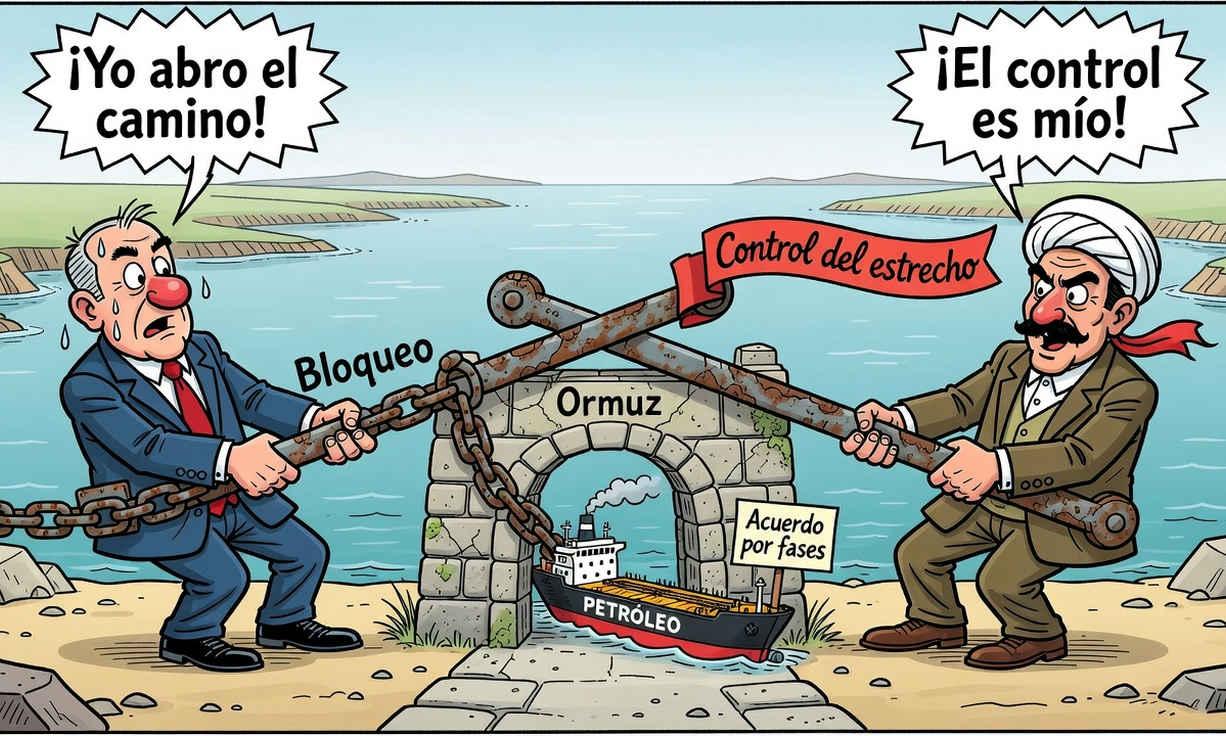
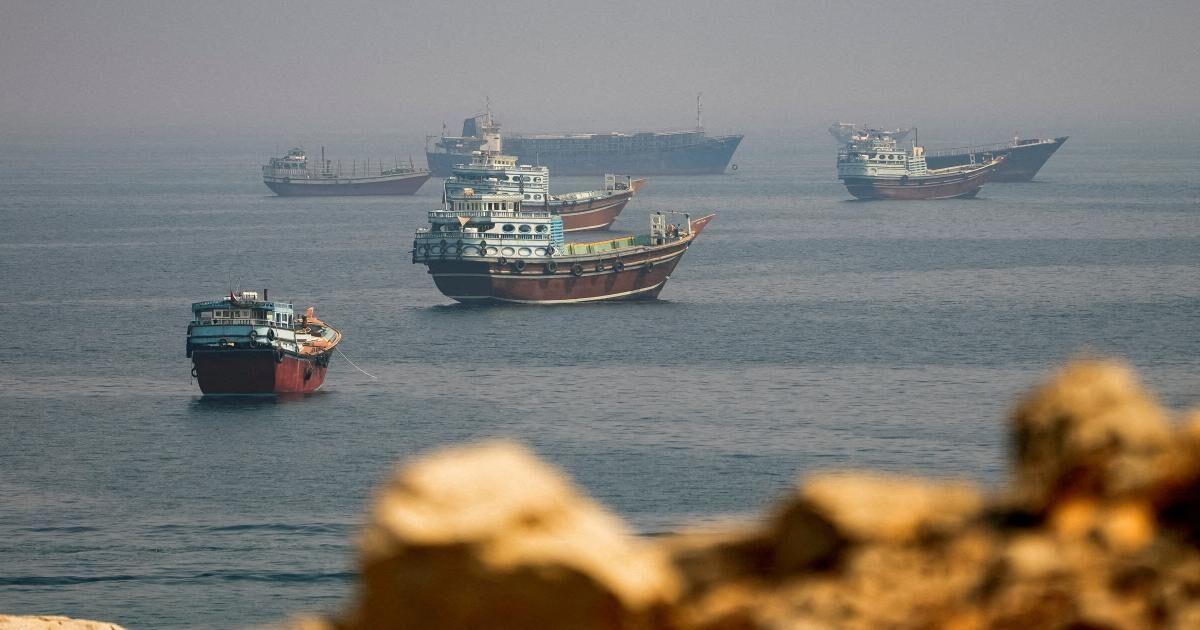
The strait has become the central bargaining chip in efforts to end the nearly seven-month US-Iran conflict, with Iran seeking relief from the blockade that is choking its economy and Washington seeking free passage for ships on the global oil supply route now blocked by Tehran.
The talks face a big obstacle because neither side wants to be the first to surrender its leverage, even as the sources close to the talks described an economic cost of prolonged confrontation.
US President Donald Trump believes the US and Iran could reach a deal after midterm elections to Congress on November 3, while a senior European official said the Iranians “have a very long list of demands.”
Leverage and warning
A senior Iranian official said the most plausible way to end the impasse would be a phased arrangement, with Iran allowing navigation through Hormuz in return for the US lifting its economic blockade and Tehran potentially gaining access to frozen assets. The central challenge is not just to sketch out a deal but also to ensure any concessions are durable enough for both sides to trust, as the sources close to the talks described leverage as a barrier to compromise. The senior Iranian official warned, “Our fingers are on the trigger,” and the official said the Americans know what they need to do but, because of excessive demands, the chances of diplomacy resolving this are extremely low.
A White House official told Reuters that while “Iran is desperate for a deal, President Trump holds all the cards and will make whatever decision is best for the United States.” Former US negotiator Dennis Ross estimated only a 30% chance of an agreement being reached before the vote, while also arguing that both sides may have stronger reasons to make a deal before than after the midterms.
Diplomatic moves and stakes
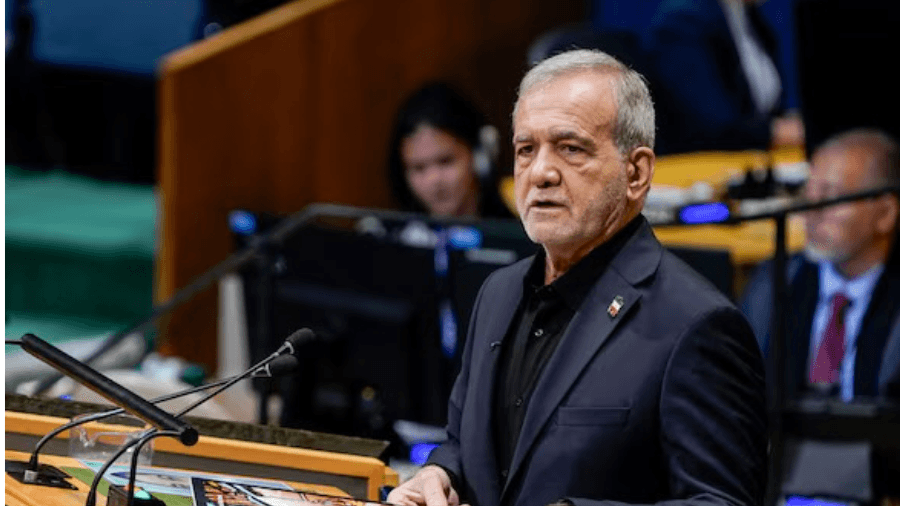
Journals of the United Nations in New York became the backdrop for intensive diplomatic moves, as informed sources described serious talks to chart a staged path that would end the seven-month-long conflict. The proposal described by jريدة القدس framed a swap formula that would reopen the Hormuz Strait to international navigation in exchange for lifting the sanctions imposed on Iran, and it said a meeting in the General Assembly brought Pakistani Prime Minister Shehbaz Sharif and Iranian President Masoud Beshjikian together. jريدة القدس reported that about 80 countries issued a joint statement at the United Nations calling for the immediate restoration of international navigation rights in the Hormuz Strait, and it said the statement was read by Bahrain’s foreign minister.
jريدة القدس said the declaration condemned attacks carried out by Iran and its Houthi allies and warned that controlling the Bab el-Mandeb Strait increases the risks facing maritime transport, calling for a firm international response to ensure freedom of passage through strategic waterways. Any arrangement would be temporary and regional sources said Tehran was willing to drop a demand for payment of transit fees from the main agreement into a side attachment, while Gulf states rejected the proposal for payment of transit fees.