Protests12 January, 20262 min read
Iranian Security Forces Massacre Protesters, Fill Kahrizak Morgue With Dozens Of Body Bags
This article is an automated aggregation of coverage from news outlets. Our editorials offer in-depth analysis curated by the NewsCord team.
Security forces killed more than 500 protesters nationwide. Kahrizak forensic morgue filled with dozens of protesters' body bags.
7 outlets told this the same way.
Outlets did split on France Suspends Police Stun Grenades at High School Protests After 15-Year-Old Loses Hand →
Kahrizak morgue scenes
Graphic footage and eyewitness reports show the Kahrizak Forensic Medical Center south of Tehran packed with people trying to identify dozens of bodies and black body bags after security forces' violent response to nationwide protests. CNN reports that videos circulating despite an internet blackout show anguished Iranians gathered at a makeshift morgue at Kahrizak attempting to identify loved ones among dozens of bodies and black body bags. CNN says the footage was obtained by the network and shared by human rights groups, and the U.S.-based Human Rights Activists News Agency (HRANA) estimates about 250 bodies at the facility.
“Videos circulating despite an internet blackout show anguished Iranians gathered at a makeshift morgue at the Kahrizak Forensic Medical Center south of Tehran, trying to identify loved ones among dozens of bodies and black body bags.”
Business Today, citing HRANA, offers a higher overall death toll and places the scenes in a broader context of unrest. NPR notes HRANA's figure that more than 500 people have been killed, which NPR has not independently verified, and an official internet blackout has hampered reporting.
Media coverage of unrest
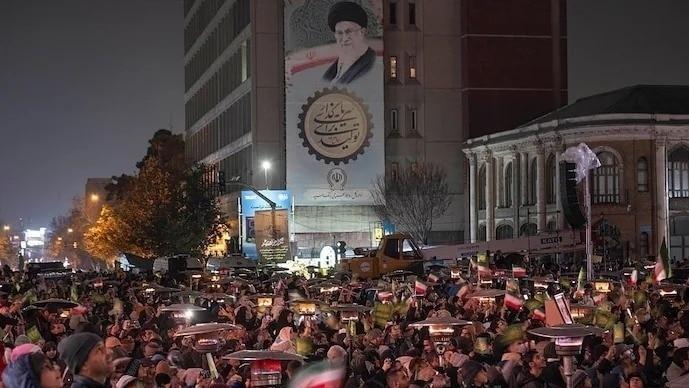
Multiple outlets describe a heavy-handed security response and an information blackout that hindered independent confirmation. CNN attributes the casualties to Iran's latest heavy-handed crackdowns on widespread anti-government protests sparked by worsening economic conditions. Hawaii Tribune-Herald notes a government internet blackout has hampered reporting.
Reuters-verified footage showed large night marches and fires, while state TV displayed body bags and blamed armed attackers. Business Today reports authorities shut down internet and telephone networks as unrest intensifies. NPR frames the unrest as having grown from economic grievances into broader anger at the theocratic regime.

U.S. intervention threats and responses
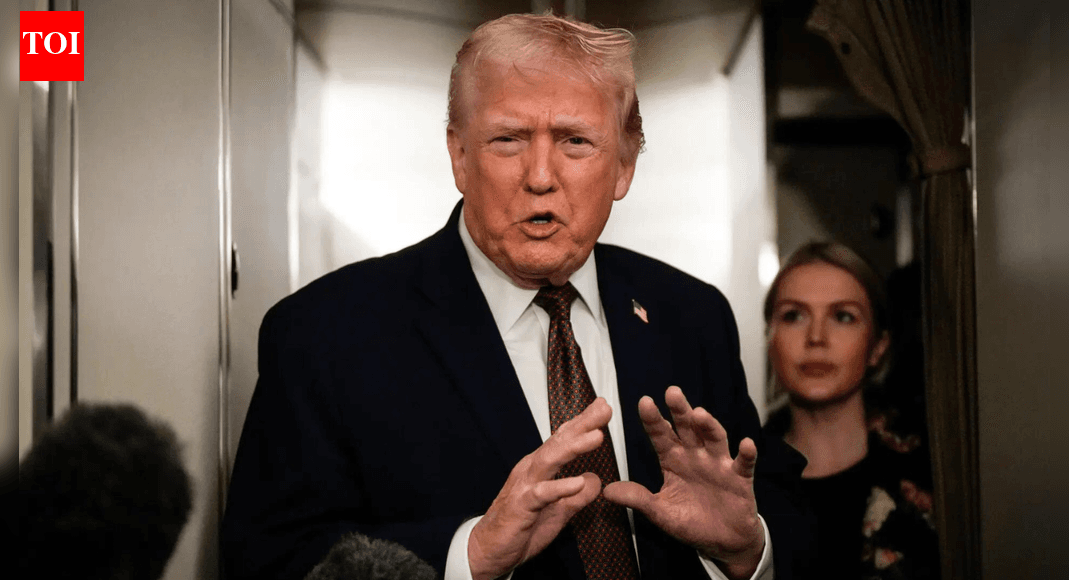
The domestic unrest has drawn immediate international attention and threats of intervention from the United States, even as global actors urged restraint. Hawaii Tribune-Herald reports that President Donald Trump has repeatedly threatened to intervene and was considering options that reportedly include strikes, cyber operations, expanded sanctions and online support for opposition sources. The report also says he planned to talk to Elon Musk about restoring internet access via Starlink.
“President Donald Trump has repeatedly threatened to intervene if force is used against protesters, and was due to meet senior advisers about options that reportedly include strikes, cyber operations, expanded sanctions and online support for opposition sources; he also said he would talk to Elon Musk about restoring internet access via Starlink.”
NPR notes that Trump has repeatedly suggested the United States might intervene, weighing options that include sanctions, cyberattacks and even military strikes. Business Today quotes Trump saying the U.S. would 'come to [Iranians'] rescue' if the regime violently kills peaceful protesters. The same Hawaii Tribune-Herald piece quotes Iran's Parliament Speaker warning that any attack would make U.S. bases and Israel legitimate targets, underscoring the risk of escalation.
Media framing of unrest
Business Today emphasizes economic roots — sanctions, a plunging rial and roughly 40% inflation — and traces protests from Tehran merchants to nationwide anti-clerical demands linked to the 2022 death of Mahsa Amini, noting over 500 demonstrations across 31 provinces. CNN and NPR highlight human-rights concerns and repression, showing footage from makeshift morgues and describing how protests evolved from economic grievances into broader anger at theocratic rule.
The Hawaii Tribune-Herald, using Reuters material, stresses visible street clashes and cites analysts who say the protests are unlikely to topple the clerical establishment but could leave it weaker. These differing emphases shape how readers understand both the unrest’s causes and its possible political consequences.
