Iran · updated 1h ago · 2 min read
Abbas Araghchi Tells US Iran Rejects Military Solution, Demands Diplomatic End
Iran's foreign minister Abbas Araghchi says there is no military solution and urges diplomacy. He warns renewed military attacks would be met with a stronger Iranian response.
11 outlets told this the same way.
Outlets did split on U.S. Expels Two Iranian UN Delegation Members From New York After Order To Leave →
9 of 10 outlets skipped it: iran claims it can reopen Hormuz within seven days if accepted.
www.timesofisrael › iran-says-no-military-solution-to-conflict-with-us... was read line by line by the Watchdog: 4.4. See the score →
11outlets compared
Araghchi rejects force
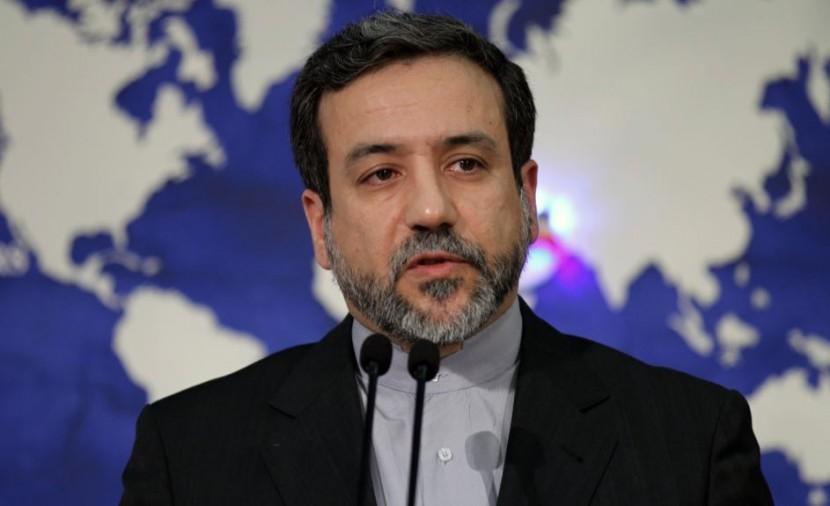
Iranian Foreign Minister Abbas Araghchi told foreign ambassadors and diplomatic representatives in Tehran that there is “no military solution” to end the war with the United States. Araghchi warned that “the era of wasting time and dictating demands is over,” and he said the US must reach a “dignified diplomatic solution” to end the conflict.
Araghchi also said, “If the enemy again chooses the path of military aggression, Iran's response will be stronger than it was before,” while reaffirming Iran’s readiness to pursue the diplomatic path to reach a just solution. Araghchi tied the rejection of force to sanctions, saying “There is no military solution, and no solution through imposing more sanctions,” as he argued Washington had failed on both the military and diplomatic levels.

Hormuz and sanctions pressure
Iranian officials framed the Strait of Hormuz as the central point of contention, with Anadolu Ajansı reporting that the war cannot be resolved through further sanctions and that negotiations remain the path forward. Araghchi said, “Only a solution grounded in negotiations, justice, and diplomatic dignity can address the situation and provide a final resolution to end this war,” during his address to foreign ambassadors in Tehran.
UKMTO said a tanker in the Strait of Hormuz “reported being struck by an unknown projectile, causing damage to the engine room,” while the crew were reported safe and no environmental impact was recorded. Araghchi told diplomats that reopening the strait requires “an end to the disruptions to Iranian commercial maritime traffic and the lifting of sanctions,” as he argued the dispute hinges on maritime access and economic pressure.
Talks at impasse
Iranian Parliament Speaker Mohammad Bagher Qalibaf told parliament that Tehran is “neither excited nor intimidated” by U.S. actions and said Iran is prepared to “both fight and negotiate.” Qalibaf said the Strait of Hormuz will not reopen “until our seven conditions based on the Islamabad Memorandum are met,” and he described U.S. proposals through mediators as a continuation of “one-sided demands.”
Araghchi said Iran’s delegation had a strong and effective presence at the UN General Assembly in New York, where it held meetings and presented a seven-day proposal for resolving existing disputes. Araghchi warned that if adversaries choose military confrontation again, Iran will respond with even more force, while he insisted that “If they seek diplomacy, we remain ready to reach an honorable solution to end the war.”