Iran-Israel27 October, 20254 min read
Israel Bars International Journalists to Erase Evidence of Genocide in Gaza
This article is an automated aggregation of coverage from news outlets. Our editorials offer in-depth analysis curated by the NewsCord team.
Israel enforces systematic media blackouts and restricts international journalists from Gaza. Israeli authorities implement policies to erase physical evidence of war crimes and genocide in Gaza.

7 outlets told this the same way.
Outlets did split on U.S. Intercepts Iran Message Activating Sleeper Cells After U.S.-Israel Strike Kills Khamenei →
Media Access and Conflict Reporting
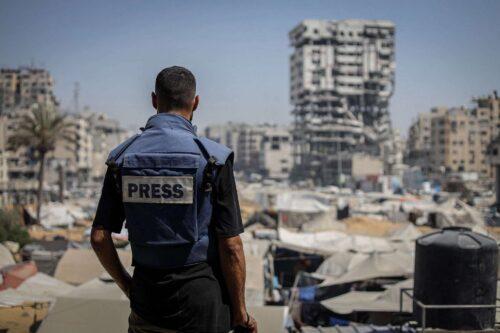
Several outlets report that Israel is barring independent, international journalists from entering Gaza. Human-rights monitors describe this as a deliberate effort to obstruct documentation of serious crimes. IMEMC News, citing the Euro-Mediterranean Human Rights Monitor, states that Israel is systematically implementing a policy to erase physical evidence of alleged genocide, war crimes, and crimes against humanity.
“The Israeli Supreme Court's decision to delay allowing independent journalists into Gaza is viewed as endorsing Israel's strict control over media access since the conflict began.”
This policy includes preventing international journalists and independent investigation teams from entering Gaza. The Canary highlights an Israeli Supreme Court delay on press access as endorsing tight media control under military censorship. It notes the killing of Palestinian journalists, bulldozing that destroys evidence, and the withholding of bodies without proper identification.
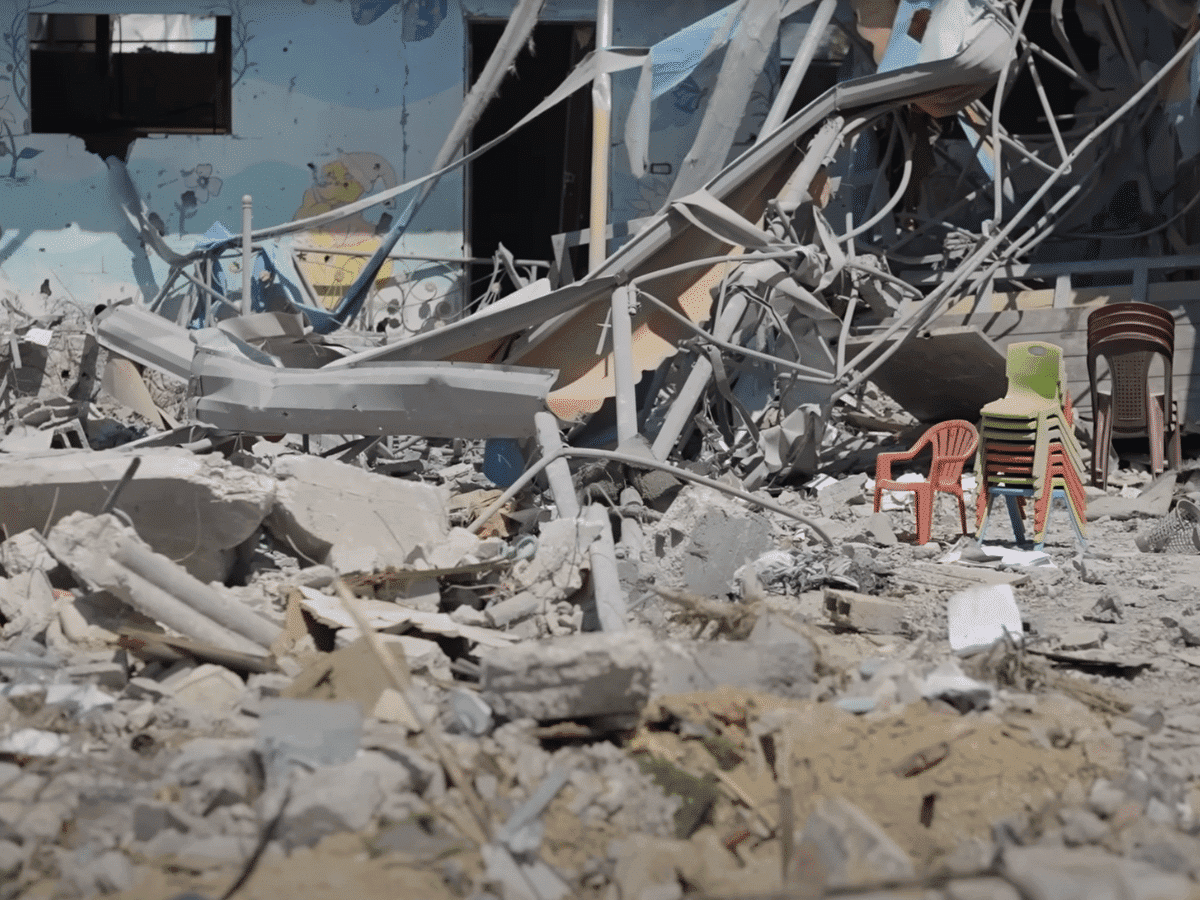
These actions are said to violate international law and the Geneva Conventions. West Asian outlet Daily Sabah reports that Israel announced it will review the ban and promises an update by November 23. Currently, journalists are restricted to the Israeli-controlled 'yellow line,' a policy criticized by the Foreign Press Association.
In parallel, revcom.us reports that the U.S. military is flying drones over Gaza and demanding advance notice of major Israeli strikes to enforce a ceasefire deal. The report argues that Washington’s stance is not driven by concern for international law or Palestinian rights.
Media Access and Legal Challenges
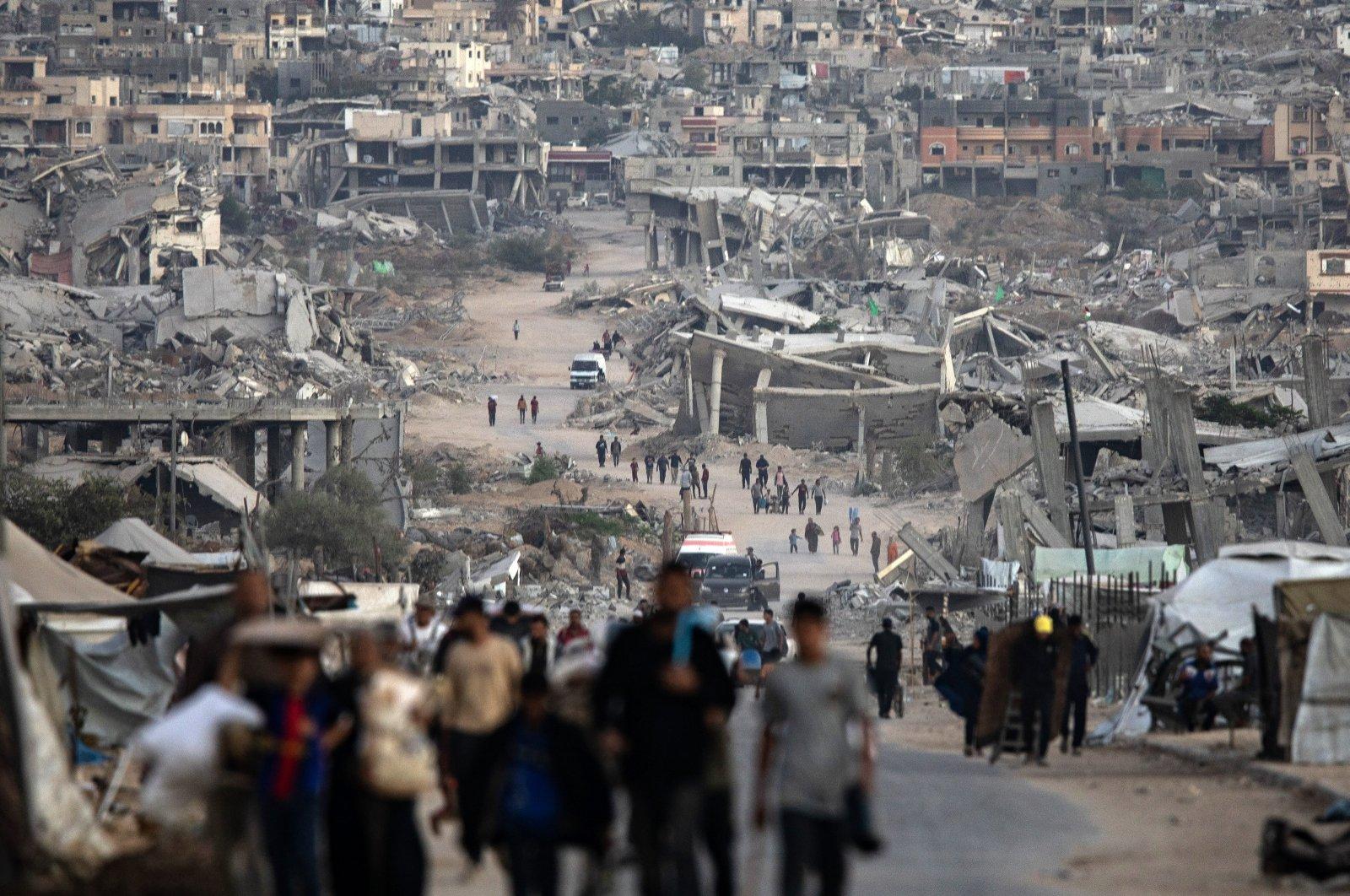
Rights-focused sources argue the access ban is part of a strategy to erase evidence. IMEMC News relays Euro-Med Monitor’s claim that blocking journalists and independent investigators aims to obstruct criminal investigations and documentation that could establish the truth and confirm Israel’s legal responsibility. The Canary adds that the Supreme Court’s delay effectively endorses state control of media during war, amid military censorship, mass journalist killings, bulldozing that destroyed evidence, and withheld bodies.
The Canary calls for the UN to ensure access, protect crime scenes, and for the ICC to set up a field office in Palestine. Daily Sabah corroborates the legal context by noting petitions to Israel’s Supreme Court, a ruling upholding the ban, and criticism from the Foreign Press Association, while also mentioning a pending policy review by November 23 and the 'yellow line' constraint. Revcom.us situates this within an international security backdrop, reporting U.S. drone monitoring and warning Israel against surprises that could jeopardize a ceasefire.
Disparities in Casualty Reporting
There are stark disparities in casualty and harm metrics and in how those figures are mobilized to argue evidence erasure. Daily Sabah reports at least 238 Palestinian journalists killed since October 2023 and cites over 68,000 deaths and 170,000 injuries in Gaza over two years, linking rights groups’ concerns that bans and attacks hide atrocities. The Canary gives a higher toll—killed 254 Palestinian journalists—adding bulldozing that destroyed evidence and the withholding of bodies without proper identification.
“Since October 2023, at least 238 Palestinian journalists have been killed and many injured in Israeli attacks… raising concerns from human rights and media groups that the ban and attacks aim to hide atrocities in Gaza.”
IMEMC News focuses less on counts and more on intent—preventing entries by journalists and independent investigators to obstruct criminal probes into alleged genocide and other crimes. revcom.us broadens the frame, alleging ethnic cleansing campaigns in the West Bank and highlighting Knesset annexation moves, suggesting a wider pattern of rights violations alongside U.S. ceasefire oversight.
Restrictions on Gaza Investigations
Multiple sources contend that restricting journalist and investigator access is designed to thwart accountability processes. IMEMC News says the policy prevents independent investigation teams from entering Gaza, obstructing evidence that could confirm Israel’s legal responsibility. The Canary urges the UN to guarantee access, protect crime scenes, and calls for an ICC field office in Palestine to preserve evidence.
Daily Sabah details petitions to Israel’s Supreme Court and FPA criticism of the ruling that upheld the ban, while noting a government review is pending. Revcom.us adds that Washington demands advance notice of Israeli strikes and flies drones to monitor adherence to a ceasefire—an external oversight dynamic that, it argues, is not motivated by international law or Palestinian rights.
Media Coverage on Gaza Reporting
Coverage also varies in scope and focus. West Asian outlet Daily Sabah centers institutional developments and casualty metrics, including policy review timelines, court rulings, FPA criticism, and figures on journalist deaths and Gaza casualties, while still noting concerns about hiding atrocities. IMEMC News and The Canary concentrate on evidence erasure.
“The article discusses instances of military aggression in Vietnam, highlighting recent conflicts and tensions in the region.”
IMEMC reports Euro-Med Monitor’s claim of a policy to erase evidence of alleged genocide. The Canary lists censorship, killings, bulldozing, and withheld bodies while urging UN and ICC intervention.

Revcom.us extends the frame to U.S. drone monitoring and West Bank annexation moves amid what it calls "ethnic cleansing campaigns," critiquing U.S. motives. Notably, ABNA English, another West Asian source, covers unrelated regional tensions in Vietnam during this period, underscoring how some outlets do not address Gaza press access at all.