West Bank28 October, 20262 min read
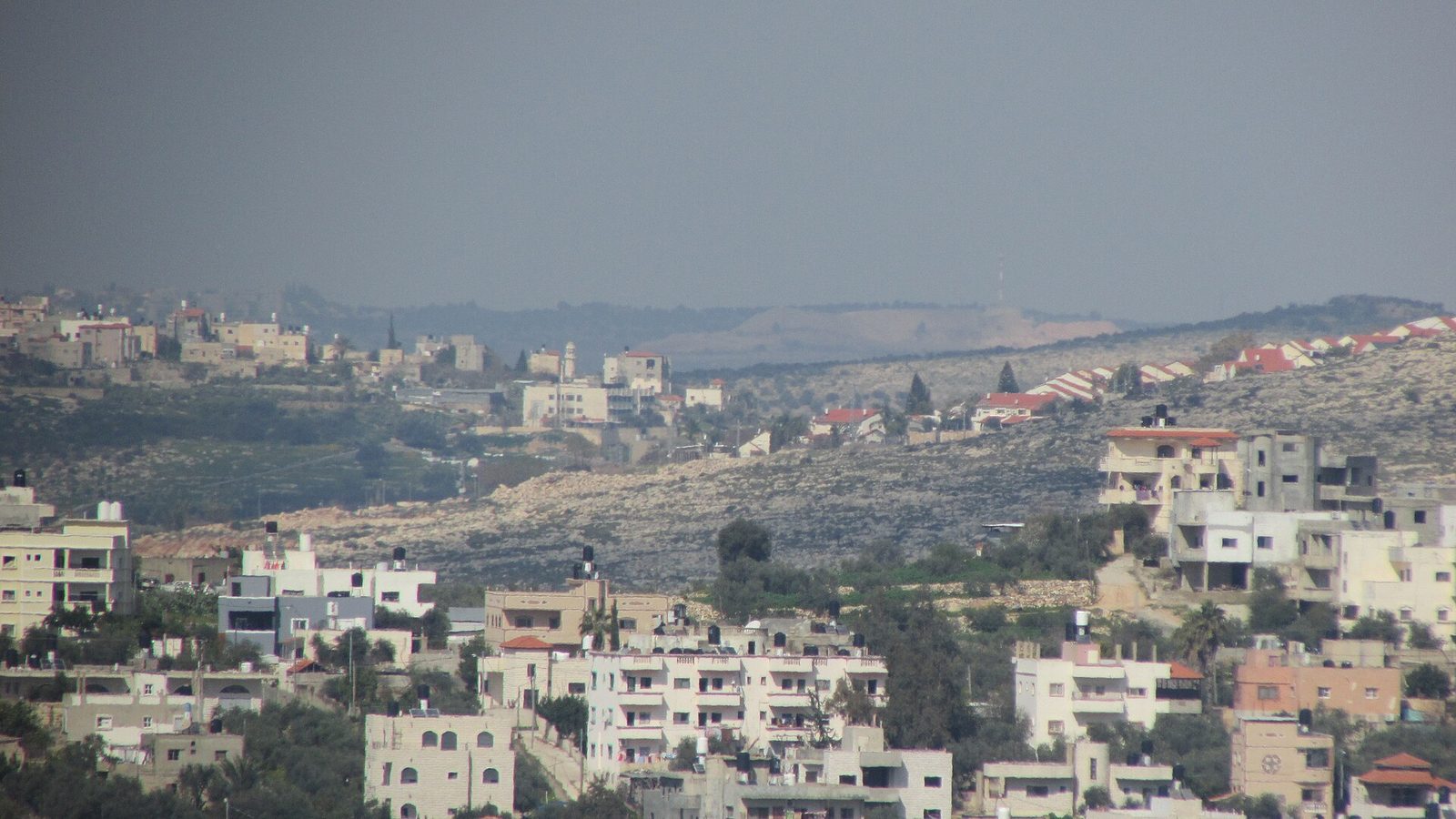
Archive photo · 12 February 2019Israeli Colonists Beat Palestinian Olive Harvesters, Steal Olives Near Lubban Al-Gharbi
2 West Asian1 Latin AmericanPhoto: יעקב, CC BY-SA 4.0 · Cropped for layout
This article is an automated aggregation of coverage from news outlets. Our editorials offer in-depth analysis curated by the NewsCord team.
Israeli settlers beat Palestinian olive harvesters and stole olives in the West Bank. Violence and olive theft have surged this year across West Bank's olive season.
Save coverage image
3 outlets told this the same way.
Olives, access, and violence
Israeli colonists beat Palestinian olive harvesters with sticks, put Ahmed Salem’s olives in bags, and drove them to a nearby outpost of Israeli settlers to be pressed into oil near his village of Lubban al-Gharbi. Ahmed Salem told Reuters that he feared being attacked if he tried to intervene, and he asked, “How would you feel if something that belonged to you was being violated and you could do nothing about it?”
Ziv Stahl, executive director of the Israeli rights group Yesh Din, said, “This creates a situation where Palestinians, in many cases and in many lands, especially near settlements and outposts, cannot enter the lands and harvest the trees,” while settlers “can go back and forth freely.” Yesh Din reported that it recorded 125 physical assaults against Palestinian olive harvesters in the 24 days since the harvest began and 168 incidents of harvest theft, with Israeli forces present in at least a quarter of the cases.

Rituals imitated, fear grows
Al-Jazeera Net described how the olive harvest season in Palestine normally becomes a social festival, but it said this year’s season has been “forcibly missing” across broad fields in the West Bank as tension rises and settlers prevent farmers from accessing their lands. Folk heritage researcher Idris Jradat told al-Jazeera Net that the olive season requires a large community and that targeting it is “a destruction of existence and of healthy food,” given the tree’s nutritional, economic, and cultural value.
Jradat said settlers’ actions during the olive season are part of a “struggle for existence,” and he compared the “Hilltop Youth” to “a mirror of Stern and Irgun gangs.” Mufid Jalgom, recalling the village of Qa’qoua near Jenin, said settlers “don’t just steal the fruit, they steal Palestinian heritage, imitating Palestinians in their food and heritage to claim they are the sons of this land.”
Roadwork and assaults
Quds Network said Israeli occupation bulldozers began carving a new road between Turah and Umm Dar west of Jenin, while it documented 13 assaults targeting olive harvesters, their lands, and their agricultural property in the West Bank. Quds Network said the roadwork began “amid residents’ fears about the project’s impact on their agricultural lands and the possible confiscation of more areas,” and it described the activity as occurring alongside expansion of settlements and land theft.
Quds Network said the assaults included injuries to farmers and supporters, the arrest of a citizen, and the detention of others, as well as beating, theft of harvests and harvesting equipment, and damage to vehicles. Quds Network also said the assaults included preventing farmers from reaching their lands, alongside the establishment of a new settler outpost in the middle of olive-grove lands, tying the violence to the olive harvest season and the livelihoods of Palestinian families.