Lebanon25 September, 20262 min read
Israeli Strikes Destroy Schools As South Lebanon Children Return To Class
This article is an automated aggregation of coverage from news outlets. Our editorials offer in-depth analysis curated by the NewsCord team.
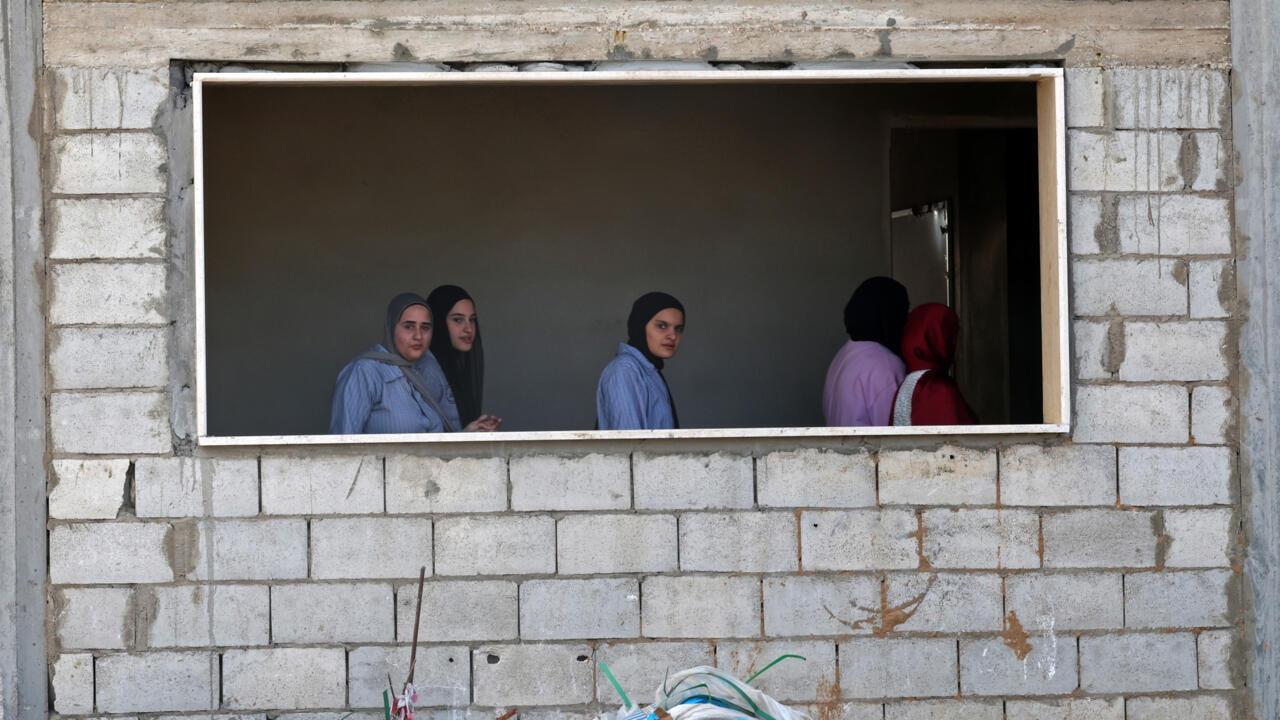
Israeli strikes destroyed Burj Qalaway elementary, leaving doorless, windowless classrooms for students. About 250 students registered in 24 classrooms, down from 600 before the latest war.
12 outlets told this the same way.
Outlets did split on Marco Rubio Urges Joseph Aoun Not To Return Seized Explosives To Hezbollah →
Arab News was read line by line by the Watchdog: 2.6. See the score →
School returns amid ruins
Children returned to school in southern Lebanon in classrooms without doors and windows after Israeli strikes destroyed schools, including Burj Qalaway Elementary School in May 2026.
Yara Ajami, an eight-year-old student in Burj Qalaway, said, “We are happy to be back (to school), but we were happier before. We used to draw, play, but now there are no desks or chairs,” as she climbed a bare concrete staircase.

AFP described a classroom scene where sun rays lit rows lacking doors and windows, while students sometimes sat “three to a chair,” and a supervisor replaced a loudspeaker with a manual bell.
School principal May Mehdi told AFP from the courtyard, “There is sadness in their eyes, each one of them has a story (...) but I am very glad they are here.”
War toll and displacement
Lebanese authorities said Israeli airstrikes killed more than 4,300 people, including 261 children, and the war displaced more than a million people before more than 800,000 returned since June. The conflict widened to Lebanon after Hezbollah fired at Israel in retaliation for the killing of Iranian leader Ali Khamenei on the first day of the war, according to AFP’s account of the timeline.
UNICEF said nearly 100,000 students in Lebanon were unable to return to their schools for the academic year due to “damage, destruction, insecurity, or displacement,” and UNICEF also reported that 436 schools were damaged and 37 were completely destroyed. A teacher, Hoda Najdi, told AFP, “My home and my school were destroyed, and that is very painful,” as she urged students to continue their education despite the difficulties.

Water, rebuilding, and risk
MSF said attacks on hydraulic infrastructure in south Lebanon have damaged water sources and vital infrastructure, and MSF reported that in all the villages its teams visited, solar panels powering pumping stations were destroyed or damaged. MSF described a hydraulic system collapse when wells, pumps, and filtration units were rendered unusable, storage tanks and generators were damaged, and pipes and solar energy systems were out of service.
A French entrepreneur filed a complaint against X for war crimes or crimes against humanity, alleging that the Israeli army uprooted 600 ancient olive trees belonging to his family in Zawtar el-Charqiyé. The complaint said the destruction and uprooting of olive trees are “emblematic of the war crimes committed by Israel in southern Lebanon,” and it also cited an Amnesty International report.