Technology and Science18 July, 20263 min read
Jensen Huang Secures Japan Deals For Nvidia’s Noetra AI Factory And Robotics Partnerships
This article is an automated aggregation of coverage from news outlets. Our editorials offer in-depth analysis curated by the NewsCord team.
Noetra AI Factory powering FRONTia with Rubin GPUs and Vera CPUs. NVIDIA inks robotics and industrial partnerships with Fanuc, Yaskawa Electric, Kawasaki Heavy Industries, Fujitsu.
Huang’s Tokyo Physical-AI Push
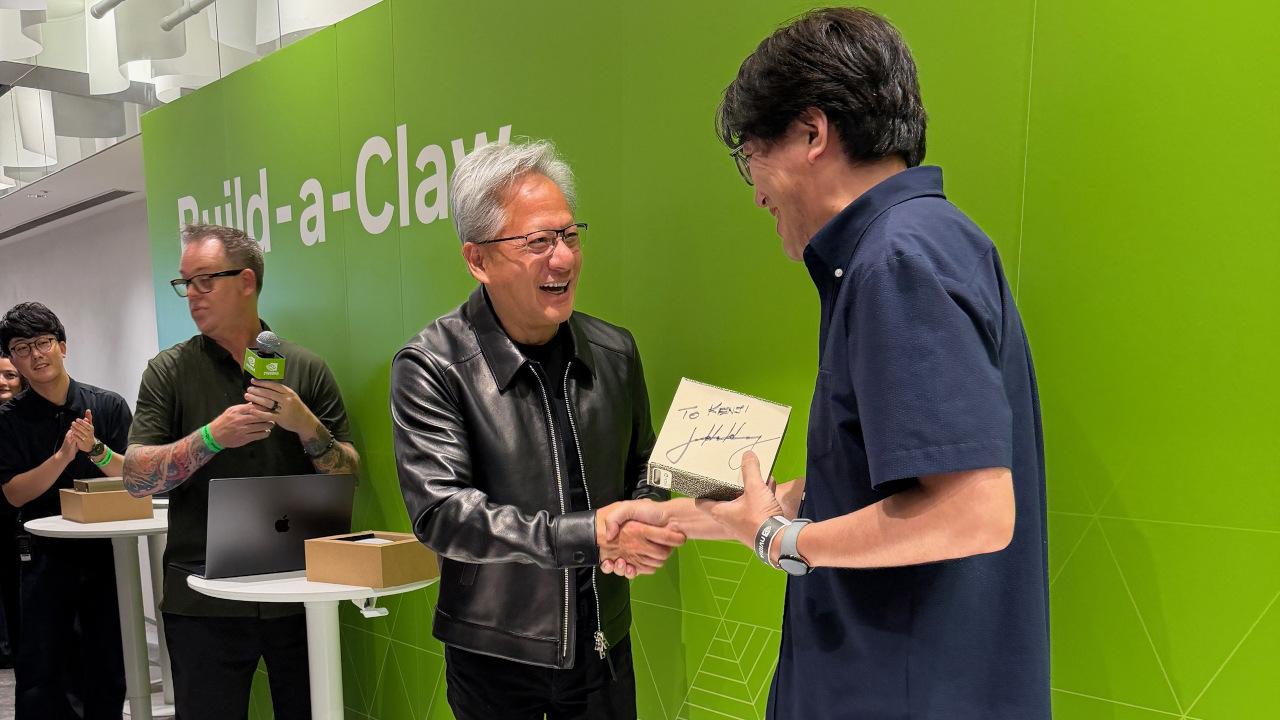
Nvidia CEO Jensen Huang spent July 15 and 16 in Tokyo, courting Japan’s industrial and chip-supply elite and leaving with deals spanning “Japan’s entire tech ecosystem,” including a national AI factory and partnerships with robotics companies.
TechCrunch said Huang’s message was that “AI’s next chapter… belongs to factory floors, robots, and machines,” and that Nvidia is targeting Japan’s factory floor with “these three projects: Noetra — Japan’s sovereign-AI play.”
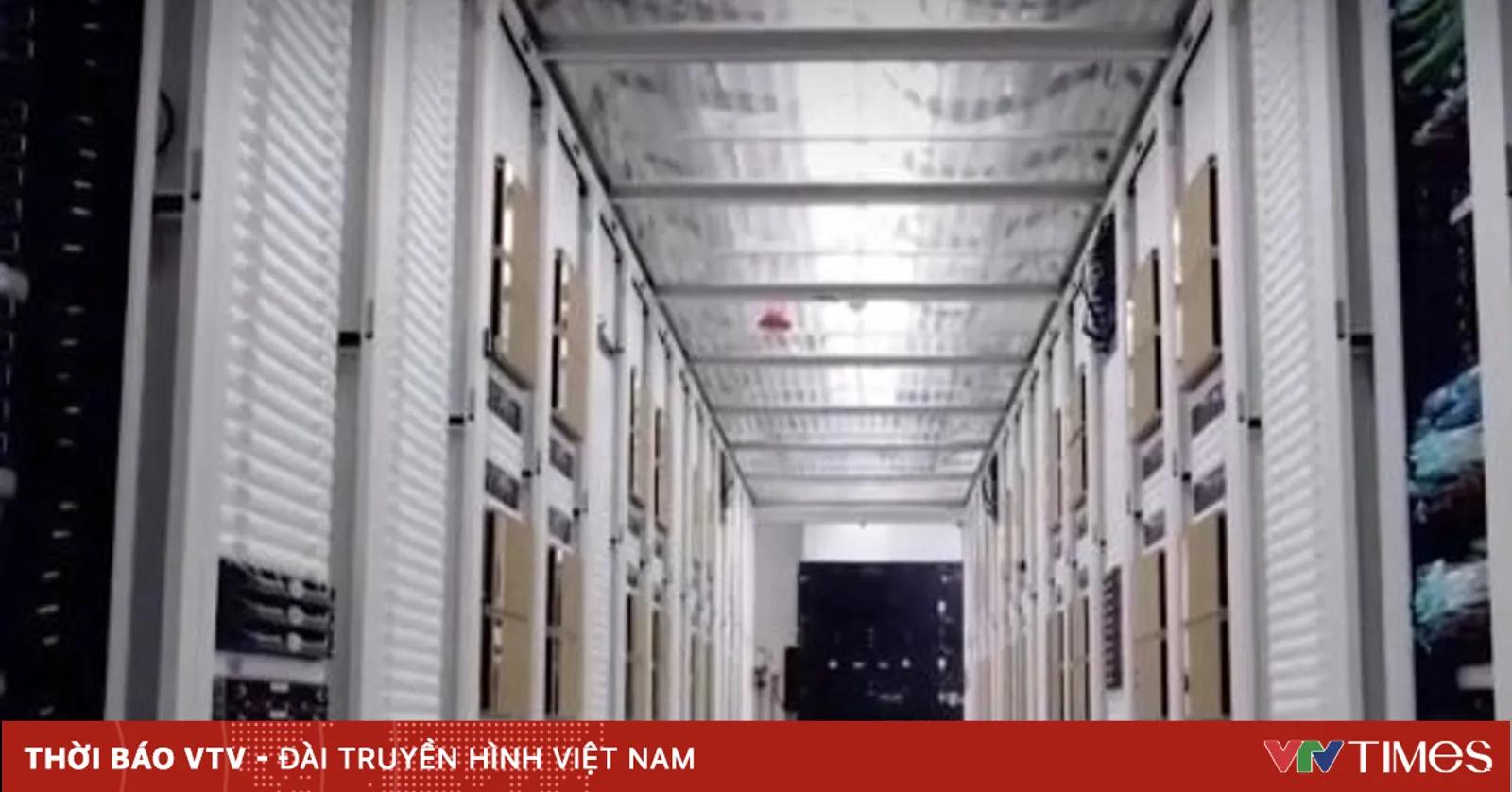
The TechCrunch report said Tokyo is committing up to 1 trillion yen over five years, while Hardware Upgrade described an AI Factory for the government FRONTia program with 27.500 GPU Rubin and 13.750 CPU Vera, built around NVIDIA’s DSX for data centers.
TechCrunch added that the Vera Rubin AI factory is expected to launch in 2028 and deliver 140 megawatts, with Noetra overseeing the effort and plans to build the data center.
Hardware Upgrade quoted Huang saying, “Il Giappone ha inventato la manifattura moderna. Ora sta costruendo le AI Factory che alimenteranno la prossima rivoluzione industriale.”
Cosmos 3 Edge and Coalition
Nvidia also expanded its physical AI ecosystem in Japan, announcing Cosmos 3 Edge and adoption of Cosmos, Isaac, Metropolis and Jetson platforms by companies including FANUC, Fujitsu, Hitachi, Honda R&D, Kawasaki Heavy Industries, Kubota, NEC, SoftBank Corp., Sony Group, and Yaskawa Electric. Pulse 2.0 said Cosmos 3 Edge is a “4-billion-parameter model built on NVIDIA Nemotron,” designed to bring real-time vision reasoning and robot policy deployment to edge computing systems. Pulse 2.0 reported that developers can use the open Cosmos framework to customize the model for a specific application in approximately one day, and that the new Metropolis libraries and skills can accelerate certain vision AI development workflows by at least six times.
TechCrunch described the robotics coalition as signing on behind Nvidia’s Cosmos models, with Fanuc, Yaskawa, Kawasaki Heavy, Fujitsu, Hitachi, NEC, Sony, SoftBank, Kubota and AIRoA saying they plan to build on Nvidia’s Cosmos models. TechCrunch said Nvidia unveiled Cosmos 3 Edge in Tokyo as “a version of the model that runs on its Jetson Thor chips inside the machines themselves,” tying the edge model to factory-floor deployment.
What’s at Stake Next
Across the FRONTia and robotics efforts, the sources frame the next phase as building compute and software stacks for physical AI, with Hardware Upgrade saying the project’s roadmap includes a reasoning foundation model in fiscal 2026, an omni-modal model by 2028, and “real-world native AI” by 2030. TechCrunch reported that Huang appeared on July 16 alongside trade minister Ryosei Akazawa at the government’s physical-AI launch, with Prime Minister Sanae Takaichi joining by video, and that the Takaichi administration is pursuing a growth plan chasing ¥370 trillion in public and private investment by 2040. TechCrunch also said Japan wants 10 million AI-equipped robots across 18 sectors by 2040, backed by $65 billion in public and private physical-AI investment, and that the AI Robotics Strategy released in March aims to capture more than 30% of the global AI robotics market by 2040.
“Japan wants to own the software brain. The hardware to build it, though, still comes from Nvidia.”
Hardware Upgrade described the FRONTia AI Factory as using 382 racks Vera Rubin NVL72 and interconnecting systems via Spectrum-X Ethernet with NVLink inside racks, while noting that Nvidia and Noetra did not communicate a precise timeline for when the system would be operational. In the same broader push, TechCrunch said “Japan wants to own the software brain,” while the hardware to build it “still comes from Nvidia,” positioning Nvidia as the supplier of the compute and platforms that Japan’s projects depend on.