Lebanon · 11 August, 2026 · 2 min read
Joseph Aoun Says Lebanon-Israel Negotiations Are Making Progress, Demands Full Israeli Withdrawal
Aoun says negotiations making progress; Lebanon demands full Israeli withdrawal. US to host new Rome talks in September on Lebanon-Israel dispute.
Whether Hezbollah is blamed for the war’s outcomes/territorial losses.
5 of 7 outlets skipped it: next Rome talks set for early September/September 1.
15outlets compared
Same story, two versions
tap a side to read it in full
yalibnan
““Hezbollah initiated the war on March 2 when it fired rockets at Israel””Read the original ↗
Naharnet
““It is time for the people of the South to rest and settle in their land””Read the original ↗
yalibnan blames Hezbollah and Iran links, while Naharnet, Jerusalem Post and others stay on Aoun’s diplomacy
Aoun backs talks
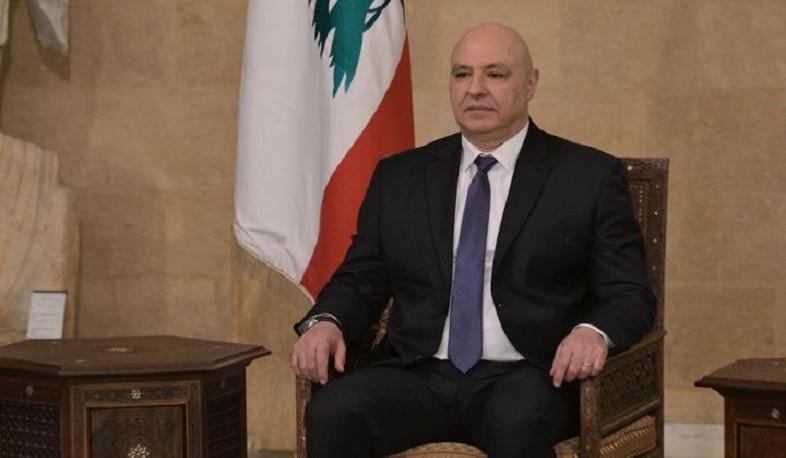
Lebanese President Joseph Aoun said on Tuesday that negotiations with Israel are “making progress,” adding that “in any case” the talks are better than the “devastating results of war.” Aoun told a delegation from the Maronite Foundation in the World that there is “no disagreement among the Lebanese” on the goals of “Israeli withdrawal, the return of prisoners, and the reconstruction of what was destroyed.”
“Negotiations with Israel are “making progress,” adding that “in any case” the talks “are better than the devastating results of war.””
He stressed that Lebanon “will not allow Israel to remain on even an inch of our land,” and said “nor will we allow a single one of its soldiers to remain on our soil.” Aoun also argued that slogans claiming territory taken by force can only be regained by force are false, saying “the realities on the ground have proven this to be false.”
Rome talks, September
The Jerusalem Post reported that Israeli and Lebanese officials most recently met in Rome for talks that concluded on August 6, where representatives discussed Hezbollah’s disarmament, a pilot program for an Israeli withdrawal, and plans for a “comprehensive peace and security agreement.” It also said the next round of Israel-Lebanon talks is expected to take place in early September, after a US official told Saudi state-owned Al-Arabiya English that the talks were set to continue then.
Middle East Online said the framework agreement was signed on June 26 under US sponsorship after a fifth round of negotiations in Washington, and that it provides the basis for the current diplomatic track. Middle East Online added that the latest round in Rome produced progress on issues including an initial understanding on a list of countries that could participate in monitoring arrangements linked to the disarmament of Hezbollah.
War impact and stakes
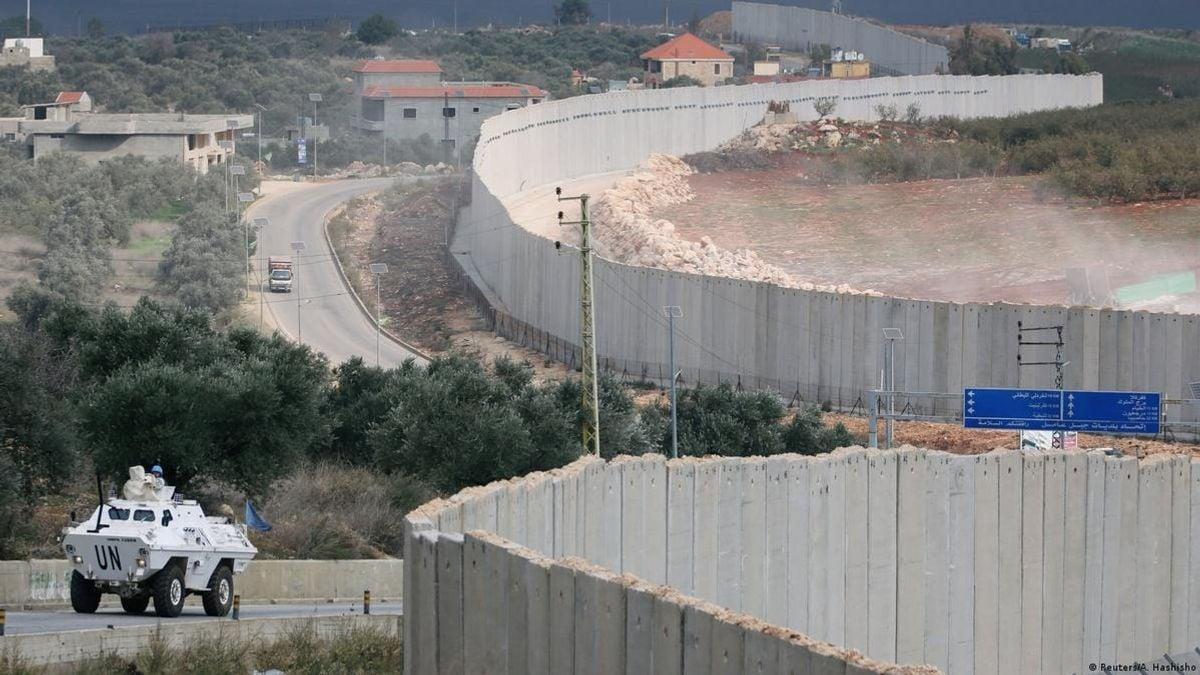
Aoun said the “scale of Israeli attacks on our country has decreased since the signing of the framework agreement,” which he said “positively impacted the return of Lebanese citizens to spend the summer in their homeland.” Middle East Online reported that Lebanon has been under sustained pressure since March 2, when Israel began its latest military campaign against the country, and said Lebanese authorities put the toll at 4,335 people killed, 12,277 wounded and more than one million displaced.
“Lebanese authorities say 4,335 people have been killed, 12,277 wounded and more than one million displaced.”
In the same reporting, Aoun framed diplomacy as the only viable path, saying the negotiations “are better than the outcomes of the devastating war on us.” Middle East Online also described the stakes as tied to the framework agreement’s goal of a gradual Israeli withdrawal alongside the deployment of the Lebanese army, and said the talks are aimed at security arrangements intended to end Israel’s military presence and prevent armed groups outside state institutions from operating in the areas concerned.