Protests30 September, 20252 min read
Madagascar President Rajoelina Dissolves Government After Security Forces Kill 22 Protesters Over Water and Power Shortages
This article is an automated aggregation of coverage from news outlets. Our editorials offer in-depth analysis curated by the NewsCord team.
President Andry Rajoelina dissolved the government following youth-led protests. Protests erupted over severe water shortages and power outages across Madagascar.
7 outlets told this the same way.
Madagascar Protests and Government Response
Madagascar's President Andry Rajoelina has dissolved his government following a series of youth-led protests. These protests have resulted in at least 22 deaths and over 100 injuries, according to the United Nations. The demonstrations began last Thursday and were sparked by widespread dissatisfaction over persistent water shortages and power outages.
“Madagascar’s President Andry Rajoelina announced the dissolution of his government following three days of large youth-led protests over water shortages and power outages.”
The protests, inspired by similar youth movements in Kenya and Nepal, represent the most significant challenge to Rajoelina since his re-election in 2023. The protests have been marked by violence, with reports of looting and clashes between protesters and security forces.

Government Response to Protests
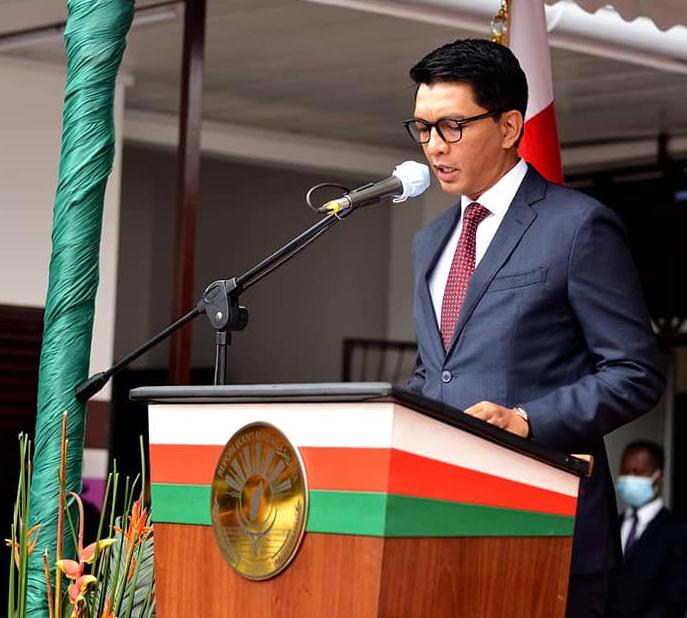
In a televised address, President Rajoelina apologized for the government's failure to address the infrastructure problems that have plagued the country, acknowledging the public's anger and frustration. He announced plans to accept applications for a new prime minister within three days and expressed a desire to engage in dialogue with the young protesters.
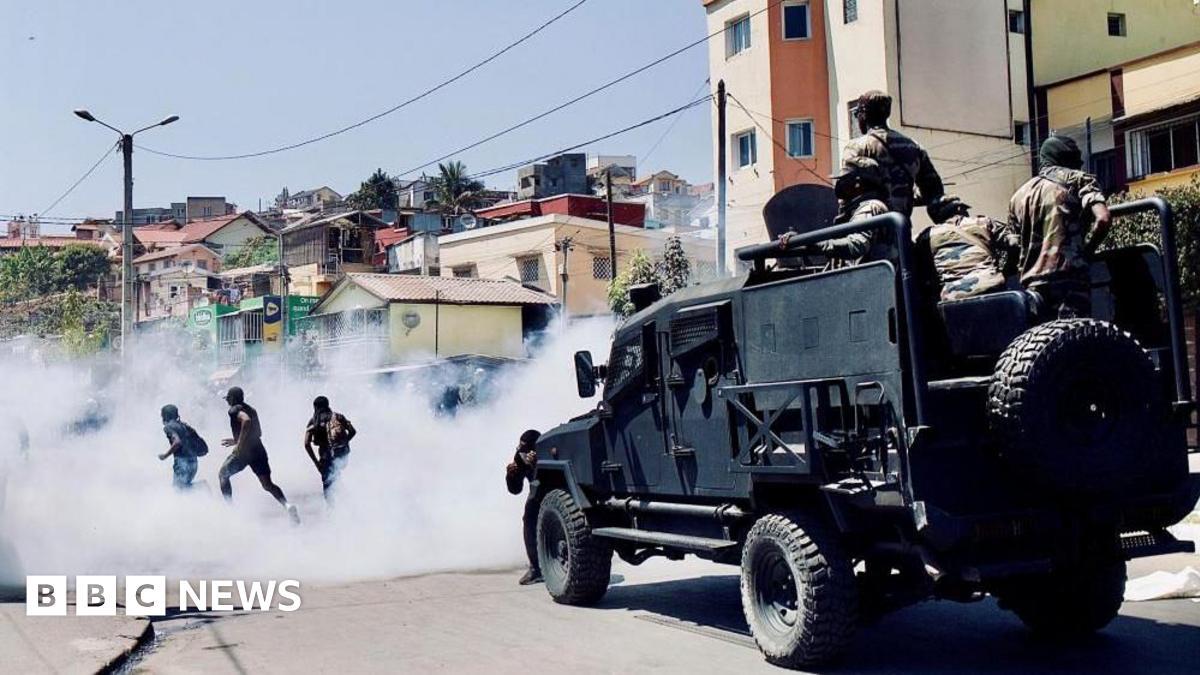
The protests, which have spread to multiple cities, have been met with a heavy police response, including the use of tear gas and rubber bullets to disperse crowds. The UN's human rights chief condemned the excessive use of force, calling for an end to the violent crackdown and the release of detained protesters.
Youth Protests and Government Response
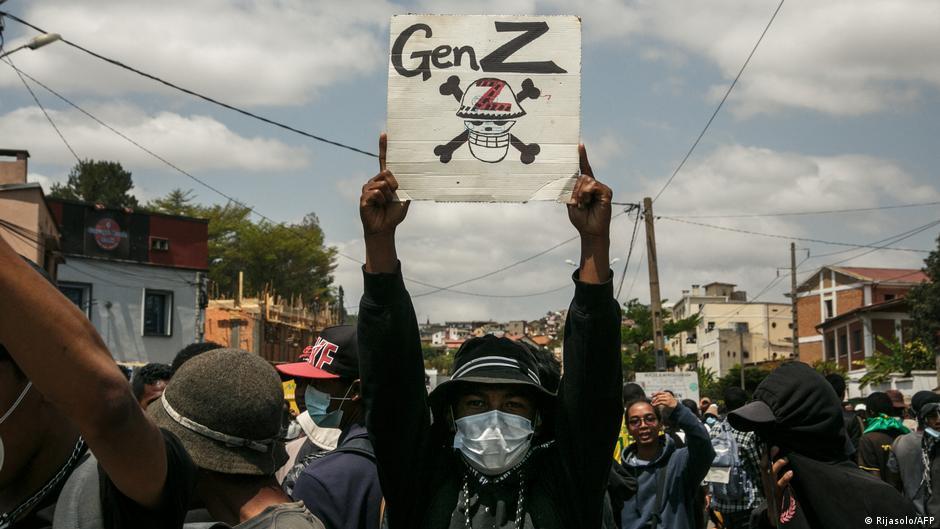
The protests, known as the Gen-Z protests, began peacefully in the capital, Antananarivo, but quickly spread to eight other cities. Demonstrators, primarily young people, rallied under the slogan "We want to live, not survive," highlighting their frustration with the government's inability to provide basic services.
“The protests, known as the Gen-Z protests, began peacefully last Thursday in the capital, Antananarivo, and spread to eight other cities.”
The unrest led to a dusk-to-dawn curfew in the capital, with security forces reportedly using live ammunition in addition to rubber bullets and tear gas. The UN's human rights chief, Volker Türk, has called for an end to the violent crackdown and the release of detained protesters, emphasizing the need for dialogue and peaceful resolution.
International Crisis Response
The international response to the crisis has been one of concern, particularly regarding the reported use of excessive force by security forces. The UN has been vocal in its condemnation, with human rights chief Volker Türk urging the government to cease its violent crackdown.
Meanwhile, Madagascar's foreign ministry has disputed the UN's casualty figures, labeling them as misinformation. This dispute highlights the tension between the government's narrative and international reports, as well as the challenges in obtaining accurate information amidst the chaos.