Iranupdated 1h ago2 min read
Mohammad Bagher Qalibaf Says Iran’s US Framework Deal Strengthened Military Capabilities
This article is an automated aggregation of coverage from news outlets. Our editorials offer in-depth analysis curated by the NewsCord team.
The June framework deal gave Iran more time and resources to strengthen military capabilities. Iran seeks sustainable deterrence through fighting and negotiating to force Washington to concede demands.
6 outlets told this the same way.
Outlets did split on IRGC Navy Says GFS Pride Sinks After Mine Strike South of Strait of Hormuz →
Anadolu Ajansı was read line by line by the Watchdog: 0.8. See the score →
Qalibaf outlines deterrence cycle
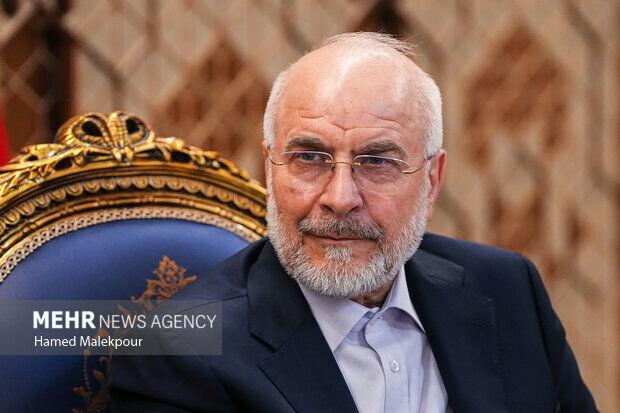
Mohammad Bagher Qalibaf said Iran’s framework deal with the US helped Tehran strengthen military capabilities and argued that Iran’s strategy in the war should combine military action with negotiations to establish “sustainable deterrence.” Qalibaf said Tehran should pursue a cycle of “war, negotiations, and deterrence,” fighting when necessary while using military gains to secure political advantages at the negotiating table. Qalibaf said the framework deal reached in Islamabad on June 18 gave Iran “sufficient time and resources” to strengthen what he called the country’s “components of power.”
“Iran’s strategy in the war should combine military action with negotiations to establish what he called ‘sustainable deterrence.’”
Qalibaf claimed Iran had first achieved a “strategic advantage” on the battlefield before compelling Washington to accept the deal, describing the agreement as a “document of defeat” imposed on the US. Qalibaf said Iran’s deterrence capabilities are not limited to its military, citing the strength of its “resistance front” and control over the Strait of Hormuz as other components of deterrence.
US, punishment, and commitments
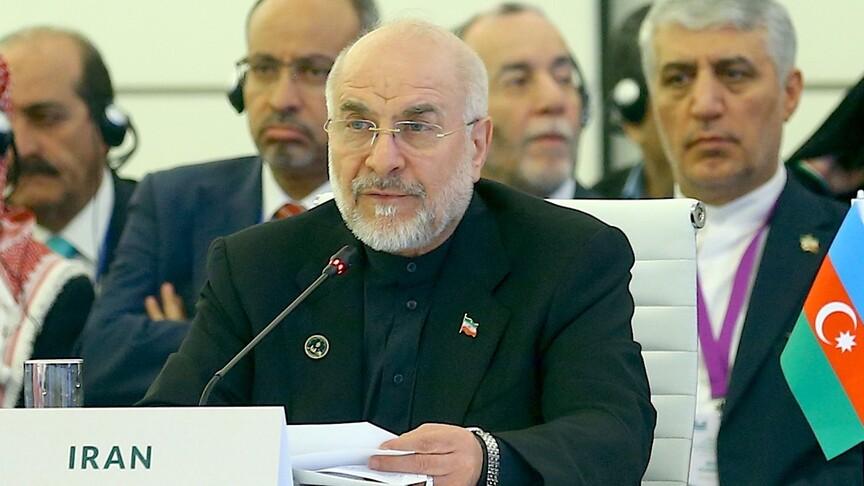
Mohammad Bagher Qalibaf said the United States “must be punished, change its behavior, and accept the demands of our people,” adding that Americans do not honor their commitments while Iran continues to fight and raise its level of readiness. Ghalibaf criticized Washington for violating the Islamabad Agreement, saying, “Even if the United States accepts commitments in a signed document, this would not, by itself, prevent another attack on Iran.” Tariq al-Bardisi said the United States follows a strategy that combines military and economic pressure with a diplomatic track in its dealings with Iran, aiming to extract concessions that serve American interests while avoiding the costs of entering into an open military confrontation.
al-Bardisi said the continuation of indirect communications between Washington and Tehran does not mean a retreat of the differences between the two sides, but rather reflects their realization that the cost of confrontation may exceed each party’s ability to bear its consequences. al-Bardisi said Washington focuses on restricting Iran’s nuclear capabilities and securing guarantees, while Tehran seeks to broaden negotiations to include sanctions, asset freezes, security interests, and regional interventions.

What talks would require
Tehran and Washington continued indirect diplomatic contacts through regional mediators amid heightened tensions in and around the Strait of Hormuz, while Iranian officials said they are reviewing a US proposal for renewed negotiations. Anadolu Ajansı said Iran has accused Washington of violating the deal and insists that fully reopening the strategic waterway depends on the US fulfilling its commitments, including easing its naval blockade and sanctions-related measures. Tarek Fahmi said there are no negotiations promising good outcomes right now between Iran and the United States, and he described a “great American maneuvering” while predicting that France and Britain will play a “serious role” in mediation or providing defensive systems.
Fahmi said the Mecca Defense Agreement, which includes Pakistan and Turkey, “will never enter into force” for many reasons, including that Turkey needs parliamentary approval. Fahmi said the core issue lies in targeting civil facilities and halting air movement, warning that such actions would cause financial, economic, and human losses sustained during the latest confrontations.