Iran · updated 1h ago · 2 min read
Iran’s Mohsen Rezaei Plans Exclusion Zone From U.S. Blockade Through Hormuz Into Persian Gulf
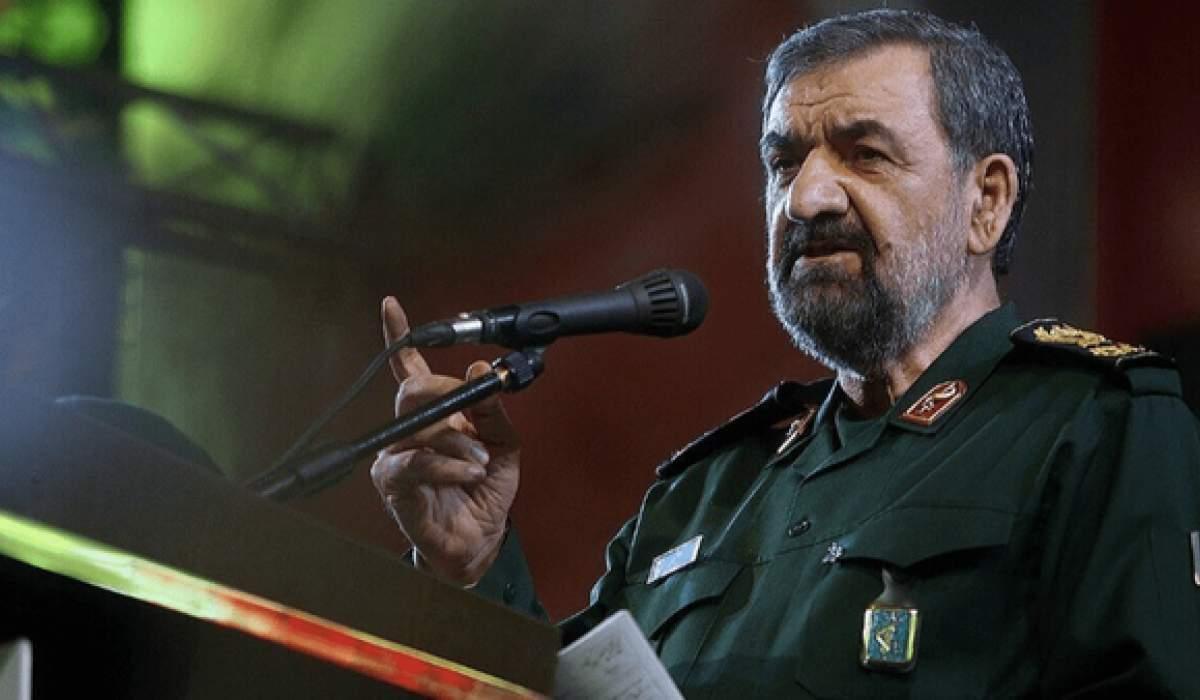
Iran plans to declare a restricted zone outside the Strait of Hormuz targeting transit vessels. Mohsen Rezaei, secretary of Iran's Supreme National Security Council, announced it.
Whether the US acknowledged Iran’s claim of striking a US vessel.
2 of 3 outlets skipped it: israel orders evacuation of a Lebanon zone ahead of strikes.
The Jerusalem Post was read line by line by the Watchdog: 5.0. See the score →
31outlets compared
Same story, two versions
tap a side to read it in full
Kurdistan24
“Mohsen Rezaei, secretary of Iran's Supreme National Security Council, said Sunday that Iran would soon declare a new restricted zone outside the Strait of Hormuz”Read the original ↗
Shows divergent emphasis: US dispute denial vs Iran-centred escalation narrative.
Iran’s Hormuz exclusion zone
Iran’s Supreme National Security Council secretary Mohsen Rezaei said Tehran plans to announce an “exclusion zone” outside the Strait of Hormuz aimed at vessels it believes are attempting to transit the waterway.
“Mohsen Rezaei’s comments to Iran’s state broadcaster came with few details”
Rezaei told Iran’s state broadcaster that the zone “will begin from the line of the U.S. naval blockade, extend toward the Strait of Hormuz, and from this side continue into the Persian Gulf,” and he said any ship entering it with the intention of passing through the strait and identified would be placed on Iran’s sanctions list.
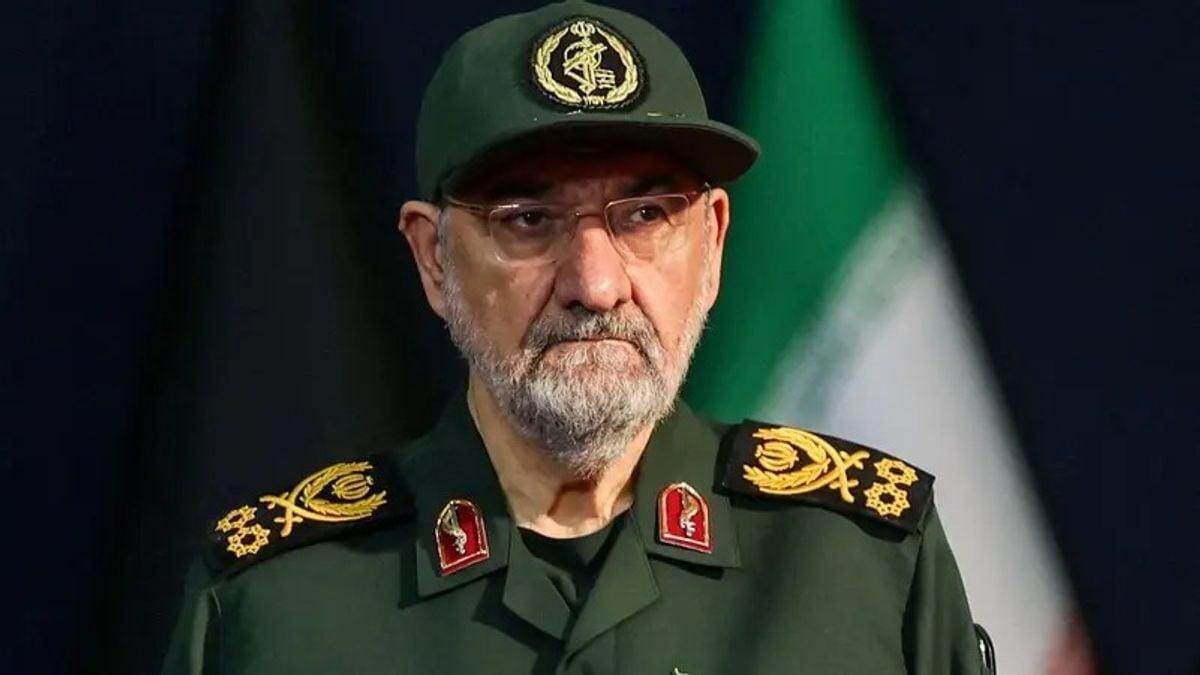
The announcement came a day after the U.S. struck three Iranian oil tankers in response to Tehran launching ballistic missiles at U.S. warships, and the U.S. military dismissed Iran’s earlier claim that it hit an unmanned American military vessel as a “total lie.”
The U.S. Energy Secretary Chris Wright said on Sunday that an average of 9 million barrels of oil a day are getting through the strait, while Iran’s Rezaei claimed that “every day we are selling one million, one and a half million (barrels), as if Iran’s oil production and trade are continuing as usual.”
Sanctions list and missile tests
In Iran’s framing of the standoff, Rezaei warned that “Any ship that enters this area with the intention of passing through the Strait of Hormuz and is identified will be placed on our sanctions list.”
Kurdistan24 reported Rezaei also said, “For the first time in the history of our conflicts, 48 hours ago we tested a new anti-ship missile against a US warship,” describing it as a message that the United States “cannot do whatever they want in the region.”K
Kurdistan24 added that Rezaei said Iran has the capability to sink American vessels but that no such decision has been made because Iran does not want to pollute the maritime environment of the Gulf and the Hormuz Strait with oil and war debris.K
The same AP report said the U.S. military has said over 20 warships are supporting the blockade, which as of Sunday had redirected 92 commercial ships and disabled three, while Iran continues to attack some ships trying to transit the strait.
Shipping disruption and diplomacy
France 24 said shipping data from analytics firm Kpler showed Hormuz traffic dipped to the lowest since May after U.S. and Iranian strikes on tankers, with a 10-day moving average of 10 commodity ships transiting per day.
“The 10-day moving average was 10 on Sunday, down from more than 15 on Friday”
France 24 reported that only two vessels passed through the strait on Saturday while six went through on Sunday, mostly using the Iranian route, as it described the renewed exchanges that followed a month of relative calm.
In the diplomatic track, AP reported Rezaei said, “We had trusted our friends in Pakistan, Qatar or Oman,” and he added, “We are now pursuing diplomacy with guarantees.”
AP also said the U.S. and Iran resumed attacks last week, and it described the Strait of Hormuz as crucial to global oil and natural gas shipments, with U.S. Energy Secretary Chris Wright linking the flow to the presence of the U.S. Navy escorting tankers.