Technology and Science31 August, 20263 min read
Nepal Floods: Mint-Green House Survives Nuwakot Landslide, Family Rescued After August 26
This article is an automated aggregation of coverage from news outlets. Our editorials offer in-depth analysis curated by the NewsCord team.
Mint-green two-storey house stood firm as floodwaters swept surroundings. Family inside rescued after minutes of peril as video went viral.

Green house amid Nepal floods
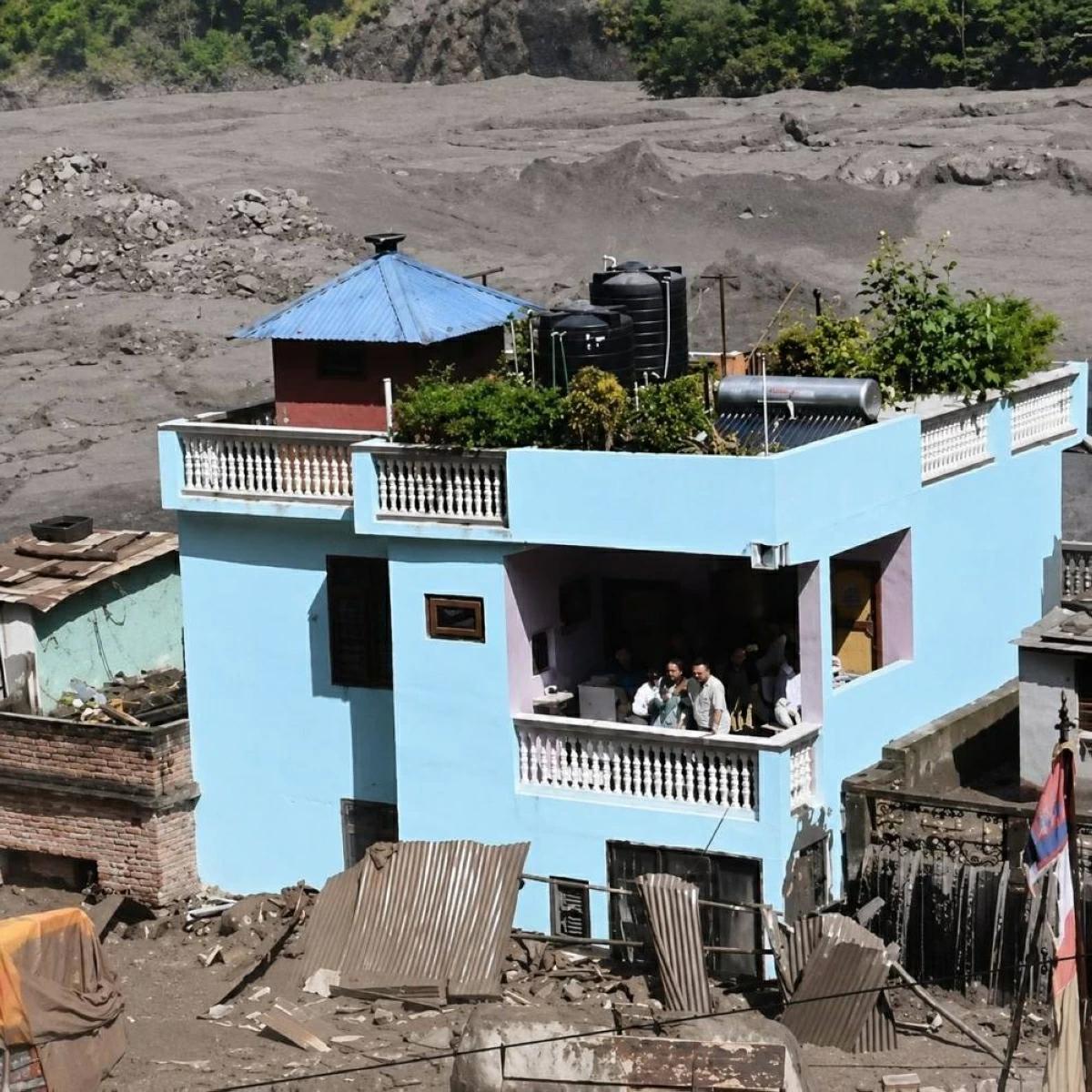
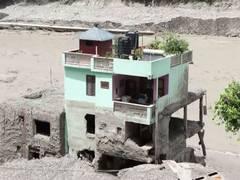
A viral video showed a mint-green, two-story house standing amid the brown torrent as floods engulfed Nuwakot in Nepal’s Bagmati Province on August 26, while a family peered out from a terrace and watched muddy water, rocks, uprooted trees and debris tear through surrounding buildings. The Times of India said the flood arrived with “terrifying force” after a massive landslide involving ice and rock struck the Lhende Khola River near Nepal’s northern border on August 26, triggering devastating flooding downstream. The Times of India reported that Reuters Connect documented the incident in Nuwakot on August 26 and said the house withstood the flood long enough for family members to survive until rescuers reached them.
The Indian Express described how the family was seen huddled on the house’s balcony as the flash flood swept through the area, carrying huge boulders, mud and uprooted trees, and said both the family and the house survived. The Korean-language report from 조선일보 said NDTV released footage on the 29th (local time) capturing floods engulfing Nuwakot on the 26th, and later reported the family inside was safe.
Engineering explanations and debate
Multiple outlets tied the house’s survival to reinforced construction, with the Indian Express saying the house was reportedly constructed using a reinforced concrete frame and that “the steel reinforcement connected its columns, beams and foundation.” The Indian Express also quoted Architecture Presentation on X for the idea that the house stood slightly away from the deepest part of the debris-flow channel, where the largest and heaviest boulders tend to travel. The Guardian framed the wider crisis around the same period, saying “On Sunday the combined toll in Nepal and Tibet climbed to 781 dead and more than 3,000 people missing,” while Plan International’s Unni Krishnan described “a scene of hope and despair.”
조선일보 reported that the video spread rapidly on social media platforms like X (formerly Twitter) and Threads, amassing millions of views, and included netizens’ reactions such as “The reinforced concrete and steel construction was a stroke of genius.” Revista Semana said the explanation circulating on X was that the “green house” had a reinforced concrete frame where “continuous steel bars connected the columns, beams, and foundations, forming a single rigid skeleton.”
Death toll, missing, and response
As the “green house” story circulated, the death toll and missing figures continued to rise, with 조선일보 reporting that on the 31st, the sixth day since massive floods hit central and northern Nepal, the death toll reached 919 people. 조선일보 said missing persons surged to 4,793, an increase of over 1,700 from the previous day, and reported that rescue authorities were battling worsening weather and rising dam water levels amid fears of a second wave of flooding. The Guardian described the response as still in crisis mode, focused on clean water, enough food and shelter, and quoted Plan International’s Unni Krishnan saying “It’s a scene of hope and despair – there are families here who have been waiting for three days to hear about their loved ones.”
ANI News put the disaster in Trishuli region terms and included local accounts, with resident Phulmaya Lama telling ANI that after warnings about the glacial lake in Tibet had burst, “So all of us ran away,” while she said her own house was destroyed and her family had been staying at another person’s home for six days. The Economic Times said the flash floods of August 26 travelled downstream through the Bhotekoshi and Trishuli river system, and reported that the death toll crossed 700 on Sunday while around 2,500 people were still missing.