Climateupdated 1h ago3 min read
UK Government Declares Severe Drought Across Southern England, Citing Ardingly And Wimbleball Reservoirs
This article is an automated aggregation of coverage from news outlets. Our editorials offer in-depth analysis curated by the NewsCord team.
Severe drought declared across six counties in southern England due to heat and driest April-September. Reservoirs in affected areas have critically low levels, threatening public water supplies.

BBC was read line by line by the Watchdog: 3.9. See the score →
Severe drought declared
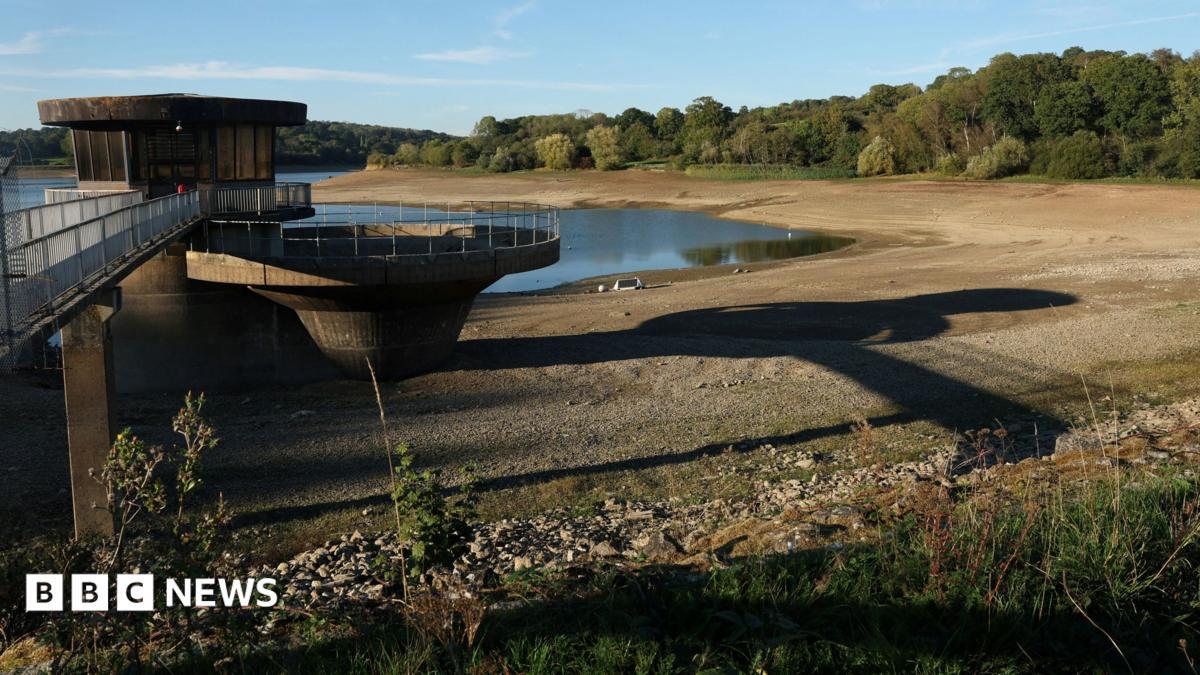
The UK government declared severe drought across parts of southern England, affecting Cornwall, Devon, Dorset, Somerset, East Sussex and West Sussex, after months of low rainfall. The Environment Agency said the declaration followed a review of water resources and drought conditions across England by the National Drought Group, and it linked the decision to specific concerns for two major reservoirs, Ardingly in West Sussex and Wimbleball in Somerset. The Environment Agency chief executive Philip Duffy said, "Record-breaking summer heat and severe drought have put our water resources under immense pressure."
The Environment Agency said Wimbleball Reservoir is at 14.9% capacity and Ardingly is 19.4% full, while it expected reservoir storage to be about 75% at this time of the year. The government said declaring severe drought "ensures proactive steps are taken to safeguard water before any disruption occurs" and instructed ministers to require daily monitoring of reservoir and river levels and tougher water quality monitoring.
Monitoring, compliance, and bans
The government instructed water companies to conduct daily monitoring of reservoir and river levels and to carry out tougher water quality monitoring as lower river flows reduce dilution of sewage and other pollutants. The Environment Agency said it would increase compliance checks on businesses that withdraw water from natural sources to ensure they are only taking permitted quantities, and it granted South East Water and South West Water drought orders allowing them to cut the amount of water sent from reservoirs to rivers by millions of litres per day. The Environment Agency chief executive Philip Duffy said, "We are also asking everyone to use less water."
South West Water said a hosepipe ban had been in force since 8 August and that there was no definite end date, while South East Water’s operations director Douglas Whitfield said standpipes remained part of the company’s drought plan but were unlikely to be needed. The government said the change to severe drought status was prompted by concerns for Ardingly and Wimbleball, and it said the South East and South West had experienced their driest April to September in more than a century.
What comes next
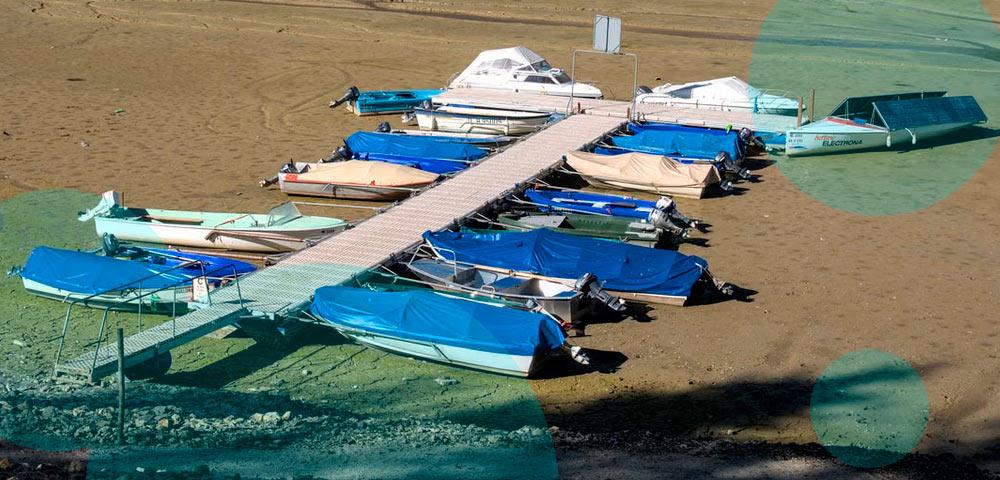
The Environment Agency said it expected reservoir storage to be about 75% at this time of the year, while it said reservoir storage had continued to fall at most reservoirs in England. The government said it was taking steps to make water supplies more resilient, including £65m in support for farmers affected by the drought and a strengthened Water Bill intended to tighten oversight of water companies and deliver nine new reservoirs by 2050. Environment Secretary Dame Angela Eagle said, "This level of drought is something we have not experienced for decades, so this government is stepping up our support and planning."
The Environment Agency said it expected reservoir storage to be about 75% at this time of the year and classed Colliford and Wimbleball as having exceptionally low levels. The BBC said the government’s plans included tougher water quality monitoring and that the Environment Agency would increase compliance checks on businesses that withdraw water from natural sources to ensure they are only taking permitted quantities.