Iran12 May, 20263 min read
Netanyahu Says Iran War Is Not Over Until Enriched Uranium Is Removed From Iran
This article is an automated aggregation of coverage from news outlets. Our editorials offer in-depth analysis curated by the NewsCord team.
Netanyahu says Iran war not over until enriched uranium is removed. He signals readiness for renewed military action if diplomacy fails to remove uranium.
The Guardian was read line by line by the Watchdog: 6.1. See the score →
Netanyahu: war unfinished
Israeli Prime Minister Benjamin Netanyahu said the war with Iran is “not over” as long as Tehran possesses enriched uranium that has to be taken out of Iran, telling CBS News on “60 Minutes” that “You go in, and you take it out.” Kurdistan24 reported that Netanyahu framed the presence of enriched uranium on Iranian soil as a persistent threat and argued that the central objective of the war, the total neutralization of Tehran’s nuclear capabilities, has yet to be achieved.
“I’m not going to talk about our military possibilities, plans, or anything of the kind.”
The Guardian said Netanyahu told the CBS programme 60 Minutes that “It’s not over, because there’s still nuclear material – enriched uranium – that has to be taken out of Iran,” while also saying there are “enrichment sites that have to be dismantled.” In the same CBS interview coverage, Netanyahu declined to discuss operational details when asked about military means, while Yeni Safak English quoted him saying: “I’m not going to talk about our military possibilities, plans, or anything of the kind.”

Diplomacy deadlocked
As Netanyahu pressed for removal of enriched uranium, CNBC reported that U.S. President Donald Trump rejected Iran’s counterproposal to end the 10-week war in the Middle East, calling it "totally unacceptable" in a Truth Social post on Sunday.
CNBC also quoted Iranian President Masoud Pezeshkian saying on X in Persian, translated via Grok, “We will never bow our heads before the enemy, and if talk of dialogue or negotiation arises, it does not mean surrender or retreat,” as Tehran insisted on war reparations, full sovereignty over the Strait of Hormuz, an end to sanctions, and the release of frozen Iranian assets.
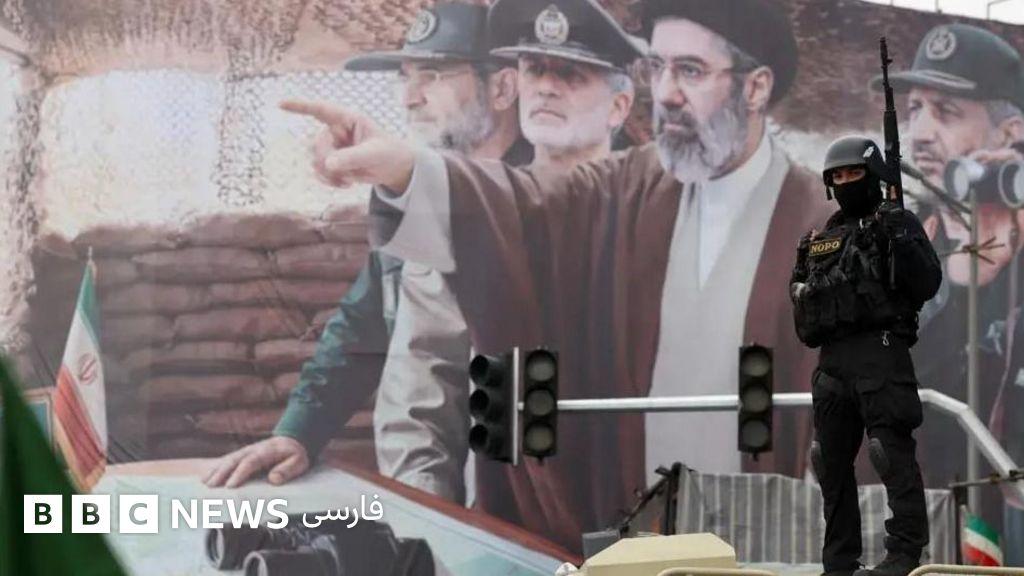
Radio Free Europe/Radio Liberty said an Iranian Foreign Ministry spokesman, Esmail Baqaei, told reporters on May 11 that Tehran called for an end to the war and the release of frozen assets abroad, adding, "We did not demand any concessions from the Americans."
RFE/RL reported that on May 10 Trump described Iran’s response as "totally unacceptable," while also citing former senior U.S. diplomat Gordon Gray saying indirect negotiations between Washington and Tehran are likely to continue despite “significant pain and pressure on both sides.”
What comes next
The Guardian reported that Netanyahu said the best way to remove highly enriched uranium would be to enter Iran to secure the fissile material as part of an agreement, while also repeating Trump’s reported position that he wants “to go in there.” Kurdistan24 said Israeli military planners were evaluating a specific window for potential strikes if negotiations reach a terminal impasse, with a predicted timeline circulating among security analysts between late next Monday and the commencement of the 2026 World Cup on June 11.
Kurdistan24 also said Netanyahu expressed skepticism about the health and visibility of Iran’s new Supreme Leader, Mojtaba Khamenei, who has not appeared in public since being wounded early in the conflict, with Netanyahu assessing that the Iranian leader is currently "holed up in some bunker." In parallel, Middle East Eye reported that Netanyahu hinted at the use of American soldiers on the ground in Iran to retrieve Iranian nuclear material, while refusing to give a precise timeline and saying, "I'm not going to talk about military means, but what President Trump has said to me, I want to go in there," adding: "I think it can be done physically."