Technology and Science · updated 22m ago · 3 min read
Nor’easter Forecast To Bring Coastal Flooding And Gusty Winds From Mid-Atlantic To Northeast
A developing nor'easter could bring coastal flooding and gusty winds to the Northeast this weekend. Major impacts expected in New England, New York, and New Jersey, including beach erosion.
Whether the system is expected to become hybrid/tropical versus remain unlikely.
8 of 10 outlets skipped it: astronomical full-moon tides boosting inundation levels.
13outlets compared
Same story, two versions
tap a side to read it in full
ABC News
“The latest forecast shows the nor'easter staying east of New York City, so the city and areas to the south would avoid most of the rain”Read the original ↗
FOX 5 New York
“If the storm tracks closer to New Jersey or Long Island, the strongest impacts will shift south, putting NYC directly in the path”Read the original ↗
NYC’s severity hinges on track assumptions, so risk messaging differs by outlet.
Storm Track Uncertainty
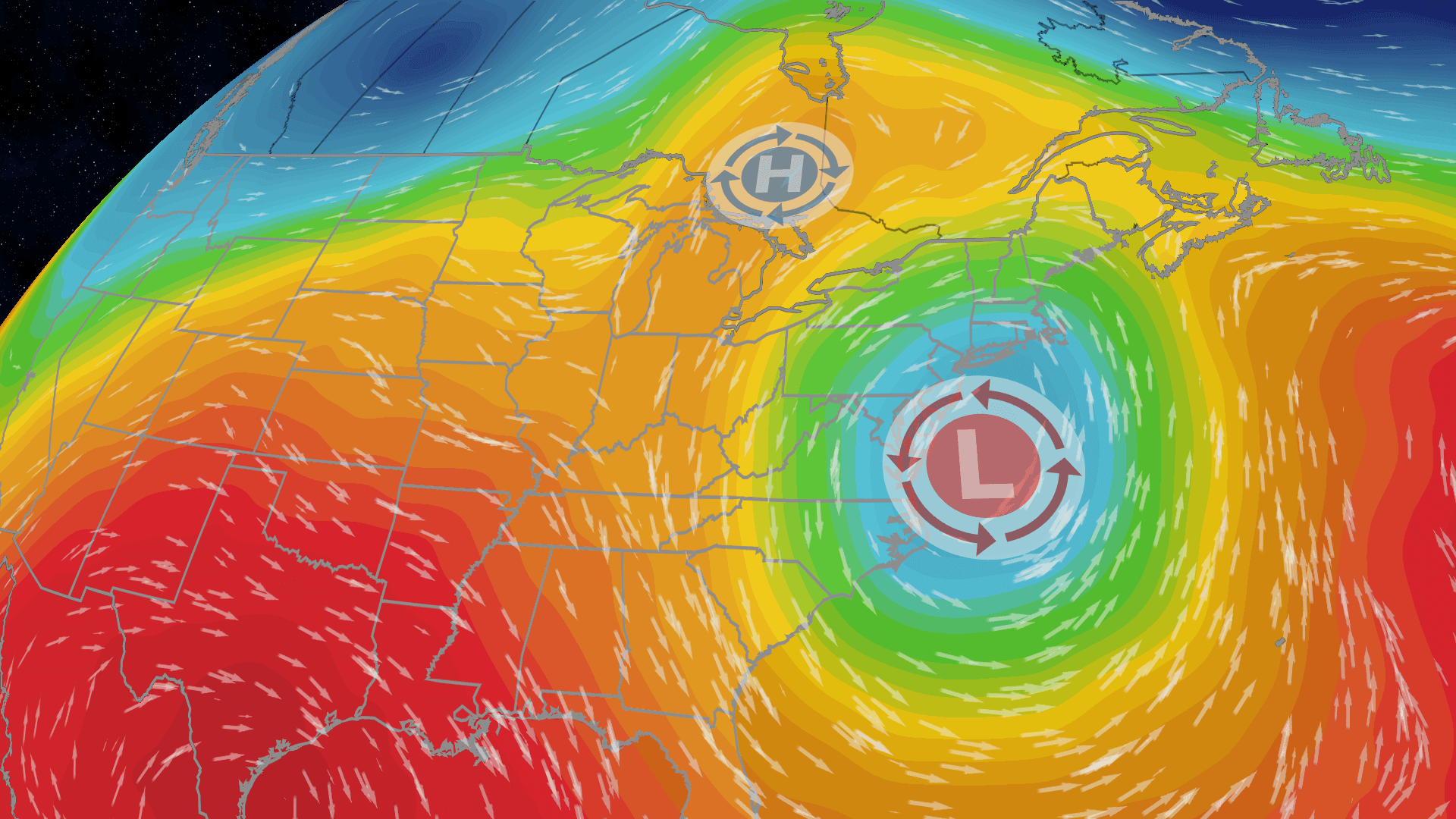
A nor’easter is forecast to develop off the East Coast of the United States and could bring coastal flooding, gusty winds, and rain to parts of the Mid-Atlantic and Northeast later this week. Coastal flood alerts are already in place across the mid-Atlantic, where winds will help bring 1–3 feet of inundation above normal levels. The storm is forecast to form off the coast of the Carolinas or Virginia sometime Wednesday or Thursday, and it will likely strengthen from that point and peak in strength this weekend.
AccuWeather Chief On-Air Meteorologist Bernie Rayno warned that warm waters and long duration over the Atlantic could give the system “the potential to acquire tropical characteristics” and could become a tropical or subtropical storm this weekend. Gusty winds up to 45 mph could cause power outages and travel delays along the coast and potentially inland, depending on how strong this low gets.

Delaware Watches and Tides
A flurry of watches and advisories has been set off for the central and southern portions of Delaware, including Kent County and Sussex County. Kent County residents were told to watch for 1 to 2 feet of water rising or spreading above ground level in low-lying areas near shorelines and tidal waterways, and the advisory also warned of northwest winds of 25 to 35 mph with gusts up to 45 mph. Fenwick Island Mayor Natalie Magdeburger said, “About 75%-80% of our town is on the bayside, and we are likely to see many of our roads underwater, particularly at high tide,” and she added, “We have our signs warning of high water at the ready.”
The full moon’s approach will boost tides, and it described a coastal inundation of 3-4 feet as likely, with some areas experiencing a water level rise of 6 feet. Coastal flooding issues are guaranteed regardless of the track, and it tied the threat to higher tides and stronger winds as the storm takes shape.

Coastal Erosion and Impacts
The developing nor’easter is expected to bring an extended stretch of severe beach erosion, rough surf, and the risk of coastal flooding days before the system heads north.
Outer Banks impacts from Monday through Wednesday include major coastal flooding, extreme surf, and heavy, continuous rain, with strong Northeast winds gusting into the 40 to 50 mph range and wave heights reaching 15 to 18 feet just off the coast.
In New Jersey to Virginia tidewater, onshore winds will gust generally in the 30 to 40 mph range, wave heights will build to 15 to 18 feet offshore, and moderate coastal flooding could develop mid-week with the potential to reach major flood thresholds into the weekend.
The Army Corps of Engineers beach-fill contractor working in Avalon decided to halt operations and move the equipment out of harm’s way, and it said the National Weather Service posted a flood advisory for the tidal Delaware River from northern Delaware to central Bucks County from 10 p.m. Wednesday until 4 a.m. Friday.
The storm’s long-duration impacts could disrupt travel across the Northeast, and it warned that widespread to extensive flooding is possible along the Bay, including the lower Chesapeake Bay region.