Technology and Science · updated 53m ago · 3 min read
Murat Kurum’s Türkiye COP31 Presidency Targets 35% Electrification By 2035 And Zero Waste
Global electrification target to reach 35% of final energy use by 2035. Antalya AI Pledge governs AI energy use across design, procurement, deployment.
How much criticism is foregrounded.
6 of 7 outlets skipped it: UN climate chief warns Big Tech is on thin ice over AI's licence to operate.
12outlets compared
Same story, two versions
tap a side to read it in full
Climate Home News
“AI leaders are "on thin ice when it comes to license to operate, and sinking deep underwater when it comes to public support".”Read the original ↗
France 24
“A "political pledge" on how AI can support climate goals was being developed with a United Nations agency,”Read the original ↗
Climate Home News adds sharper critique and UN warnings, while AFP-style reports focus on Turkey’s pledge mechanics and timelines.
COP31 sets electrification and AI
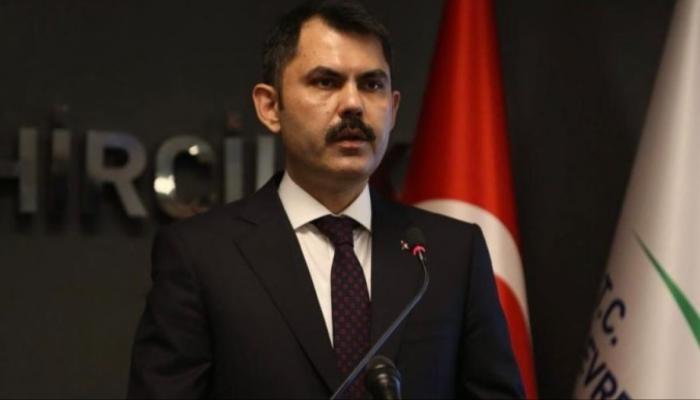
Türkiye’s COP31 presidency presented a work plan aimed at turning climate commitments into measurable projects and outcomes, with Murat Kurum saying the agenda presented at a United Nations event in New York is based on “dialogue, consensus, and action.” Kurum said the plan targets raising the share of electricity in total energy consumption to 35% by 2035 and halving the projected growth of municipal waste, while also covering 10 topics including clean energy and electricity, reaching zero waste and reducing methane emissions, and climate-resilient cities.
Kurum also said the agenda will focus on implementation rather than new pledges, and he added that COP31 will launch initiatives covering green shipping corridors, decarbonization of industry, least developed countries, artificial intelligence, clean technologies, recycling, energy-efficient buildings, oceans, food security, and climate-resilient health systems. Türkiye’s COP31 presidency paired the electrification push with a political pledge on artificial intelligence, and Murat Kurum said, “We must openly discuss AI’s growing energy consumption and it is time for governments to start setting the terms.”
Clean power debate over 35-by-35
Climate Home News said COP31’s flagship electrification initiative has been criticised for failing to include a commitment to produce the power from clean energy, even as governments sign a voluntary pledge to increase electricity’s share of total energy consumption to 35% by 2035. CThe Turkish presidency’s pledge text, as described by Climate Home News, said the electrification goal is “complementary to efforts to expand renewable energy and improve energy efficiency,” but it did not explicitly ask governments to commit to producing the extra power with clean sources and driving down greenhouse gas emissions.C
Claire Smith from Beyond Fossil Fuels told Climate Home News, “Let’s not let electrification become the Trojan horse of our times, used to hide new fossil fuel consumption rather than promote renewable energy,” and Alden Meyer said the details of the pledge matter because “It has to be clean, and we haven't got enough clarity on a guarantee that it will be a decarbonisation move.” CEnergy Voice described the pledge as setting a global goal to advance electrification through different national circumstances and pathways, while emphasising the role of clean power, storage, system flexibility, and modern and resilient grids.
AI transparency and what comes next
Türkiye’s COP31 presidency said it would unveil the “35-by-35 Global Electrification Pledge” at the United Nations headquarters in New York and also announce the Antalya Pledge on Artificial Intelligence and the AI for Clean Technologies Initiative. The presidency said the Antalya Pledge on Artificial Intelligence is a political pledge covering how AI is designed, procured, powered, deployed, measured and managed in support of climate and sustainable development objectives, and it said the pledge is being developed in cooperation with the UN’s International Telecommunication Union.
The presidency said it would launch an initiative to develop “a portfolio of AI-enabled clean-technology pilots” in priority sectors including smart energy and green industry, and it said the pilots would be connected with industry partners and investors to demonstrate the responsible use of AI in practice. The presidency also said it would invite the International Energy Agency to analyse the challenges and opportunities of electrification, with its report published to inform a High-Level Dialogue with world leaders on Tuesday, September 22.