Technology and Science21 August, 20263 min read
Panama Canal Authority Cuts Daily Ship Traffic From Sept. 3 Amid El Niño Drought
Starting September 3, daily canal transits drop from 36 to 34 vessels. Starting September 15, daily transits further drop to 32 vessels.

Canal cuts transits
The Panama Canal Authority said it will reduce daily ship traffic starting Sept. 3 because low water levels in two artificial lakes are tied to drought worsened by El Niño, cutting the daily limit from 36 to 34 and then to 32 from Sept. 15.
Modern Ghana reported that the canal operator linked the change to “lower than forecast rainfall in the canal's watershed” and said the measures are meant to bolster the “long-term sustainability” of the waterway.

Al Jazeera reported that the daily transit caps are set to allow 34 vessels as of September 4 and then 32 ships per day from September 15, describing the move as a reversal from earlier expectations after officials told Reuters in May they did not plan to limit crossings this year.
Phys.org said rainfall from May to August is down 34% from its historical average in the area of the canal, and it added that the operator expects El Niño could reduce rainfall even more.
The canal normally has capacity for about 40 vessel transits a day, while traffic has averaged around 35 daily crossings since June, according to Latest news from Azerbaijan.
Draft limits and costs
The operator said it has already implemented water conservation measures including lowering the maximum draft for the largest ships, with Phys.org describing the draft as “the vessel's depth in the water.” CNN reported that the Panama Canal Authority announced a 48-foot draft limit—down from the usual 50 feet—that goes into effect in September, and it said a further downward revision is expected soon after. CNN also tied the operational squeeze to consumer costs, quoting Benjamin Gedan saying, “The ripple effects are significant through supply chains and all the way to consumer prices at stores.”
The Tico Times reported that the maximum allowed depth at the Neopanamax locks will fall to 14.63 meters (48 feet) on September 2 and then to 14.48 meters (47.5 feet) on October 1, and it warned that lower draft means heavily loaded ships may have to carry less cargo. In parallel, CNN described how an auction system for limited slots has become a pressure point, noting that on August 10 “a large container ship paid a staggering $4 million to fast-track its trip.”
Water supply stakes
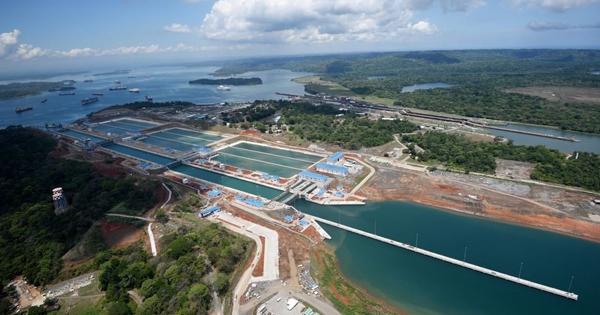
The canal’s drought-driven restrictions are also tied to drinking water needs, with Euronews saying the lakes that feed the canal provide water for half the population of 4.2 million people. Latest news from Azerbaijan reported that Gatun Lake supplies drinking water to communities including Panama City, and it described the balancing act for canal authorities between maritime traffic and population supplies during extreme weather. Vietnam.vn, citing an ACP announcement dated August 20, reported that starting September 4 the canal will limit total transits to 34 per day, including a maximum of 9 ships through the Neopanamax locks and 25 through the older Panamax locks.
Vietnam.vn also quoted Panama Canal administrator Ricaurte Vasquez saying, “The canal is not a machine to work,” and it warned that El Niño in 2026-2027 could become severe enough to threaten the canal’s long-term sustainability and water supply for local communities. DW reported that rainfall between May and August was about 34% below the historical average and said the canal’s lock system depends on freshwater reservoirs to raise and lower vessels as they move between the Atlantic and Pacific sides.