
Gaza Genocide · 02 September, 2026 · 2 min read
WFP Activates Emergency Telecommunications Cluster, Reinforces Gaza Security Communications in August 2026
WFP-led LTC activated as Emergency Telecommunications Cluster on 31 October 2023 for Gaza. August 2026 LTC Situation Report delivers monthly telecoms activity updates for Gaza.
Haaretz covers a Paris taxi scam.
2 of 3 outlets skipped it: gaza telecoms are critically degraded (damage level and restrictions)..
3outlets compared
Same story, two versions
tap a side to read it in full
ReliefWeb
“Telecommunications infrastructure in Gaza remained critically degraded”Read the original ↗
Haaretz covers a Paris taxi scam; ReliefWeb and Mondoweiss omit it entirely.
Telecoms in Gaza
The WFP-led Logistics and Telecommunications Cluster (LTC) was activated as the Emergency Telecommunications Cluster (ETC) on 31 October 2023 in response to the crisis in Gaza, and the latest monthly update covers LTC telecoms activities for August 2026.
“The WFP-led Logistics and Telecommunications Cluster (LTC) was activated as the Emergency Telecommunications Cluster (ETC) on 31 October 2023”
The report says LTC Telecoms continued to strengthen coordination with humanitarian partners, UNDSS, telecommunications stakeholders, and local ICT actors to support security communications, telecommunications planning, and operational preparedness across Gaza.
It adds that Inter-agency Security Communications Systems (SCS) were reinforced through progress on the Unified Radio Configuration Project, the programming of 24 VHF radios for UN agencies, security communications training, and efforts to sustain inter-agency tracking services.
The situation report also states that telecommunications infrastructure in Gaza remained critically degraded, with approximately 75 percent damaged or destroyed since October 2023, while restrictions on repairs and equipment imports continued to limit connectivity restoration efforts.
A cycle of crises
In a Palestine letter published by Mondoweiss, the author describes a “strange cyclical pattern” in how crises surface, fade away, and reemerge in Gaza.
The letter argues that the pattern is “part of a deliberate Israeli policy” and says it has been pursued to keep the Strip “permanently on the edge of deprivation and need.”
The author describes a sequence of medical crises beginning with shortages of medicines, followed by danger created by those shortages, then oxygen stations stopping operating, and critical medical cases needing transfer outside Gaza for treatment.
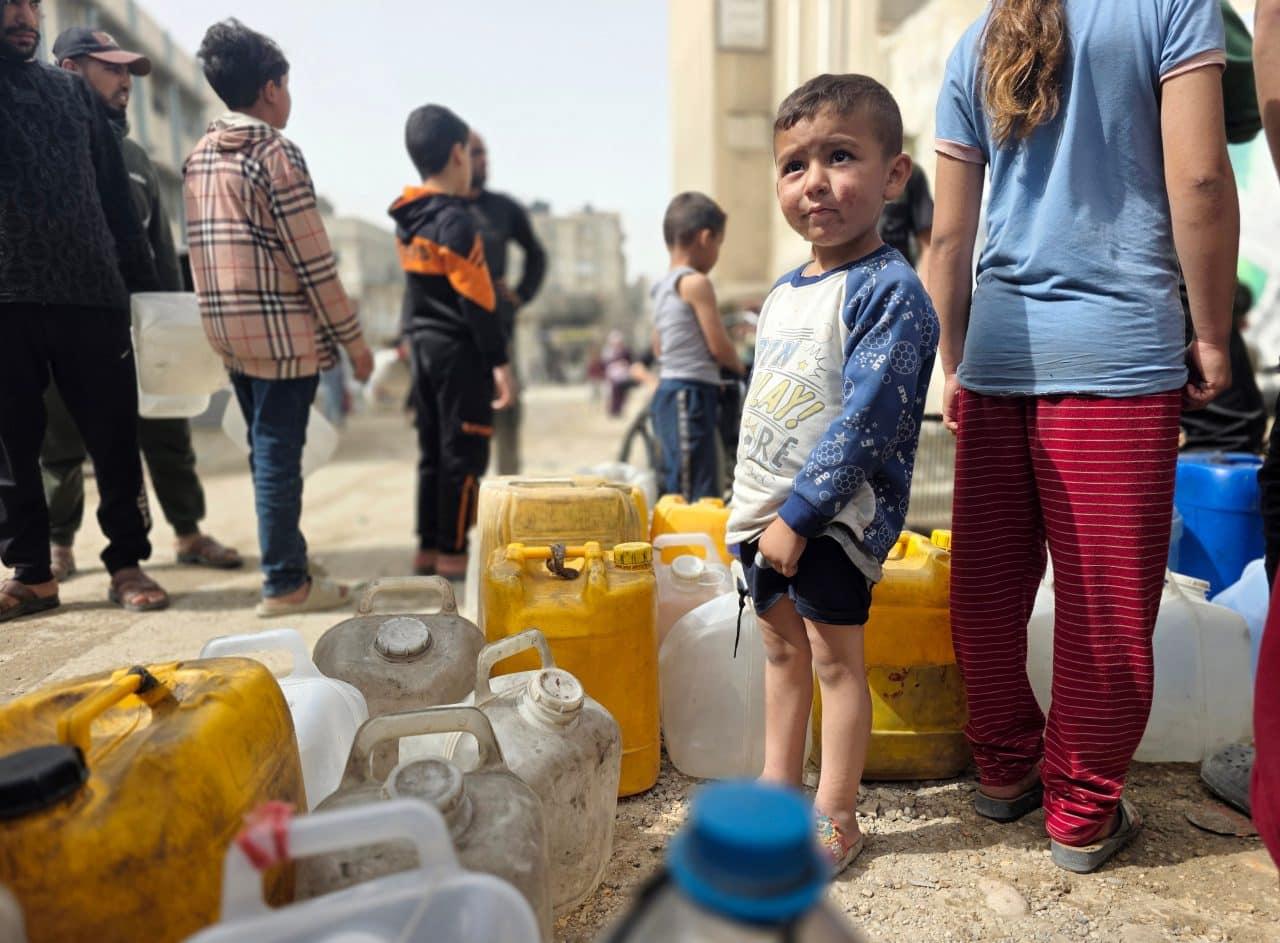
The letter then links the medical sequence to later shortages and breakdowns, saying drinking water becomes scarce, food crises emerge, and a waste crisis follows with “garbage piling up, landfills overflowing, and sanitation systems becoming increasingly inadequate.”
Humanitarian communications stakes
The ReliefWeb situation report frames Gaza’s communications environment as one where security communications and planning depend on ongoing coordination and training, including “security communications training” and efforts to sustain inter-agency tracking services.R
“efforts to sustain inter-agency tracking services”
It also emphasizes that connectivity restoration is constrained by restrictions on repairs and equipment imports, even as the report describes progress on the Unified Radio Configuration Project and the programming of 24 VHF radios for UN agencies.
In the Mondoweiss letter, the author portrays Gaza as trapped in repeated shortages and breakdowns, saying the crises “keep the Strip permanently on the edge of deprivation and need.”
Taken together, the ReliefWeb update and the Mondoweiss account underscore that, in Gaza, degraded infrastructure and recurring deprivation are presented as ongoing conditions rather than isolated episodes.