Climateupdated 1h ago3 min read
Report Says Developed Countries Fall Far Short Of COP17 Biodiversity Finance Targets
This article is an automated aggregation of coverage from news outlets. Our editorials offer in-depth analysis curated by the NewsCord team.
Developed countries fall far short of the $200 billion biodiversity finance target. First biodiversity plans are insufficient to meet 2030 targets, including 30% protection.
14 outlets told this the same way.
Outlets did split on Istanbul Flash Floods Kill 14-Year-Old After Electric Shock, Close Schools Across Turkey Province →
Finance falls short
A report released ahead of COP17 says developed nations are failing to close the $200bn “biodiversity finance gap,” and it warns that the amount of finance for nature delivered to date “falls far short” of what is needed to meet UN goals. The report prepared by the UN Convention on Biological Diversity finds that between 2020 and 2023 countries mobilised a cumulative total of just $186.4bn, which it says is equivalent to an average of less than $50bn per year. The report also says a special “framework” fund for biodiversity received less than $140m from developed countries in the past two years, while the “landmark” Cali Fund received only $6,000 from private companies.
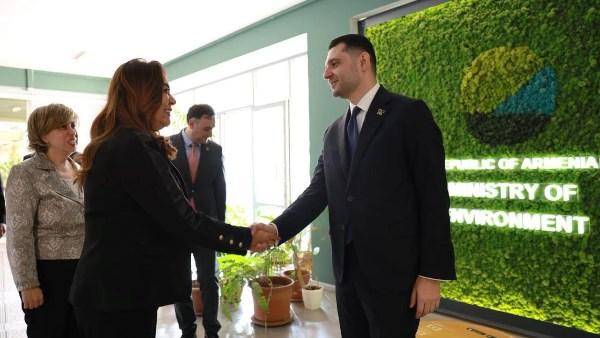
The report adds that the milestone of raising “at least $20bn per year by 2025” in public finance was also “likely not achieved,” and it says reporting countries raised a cumulative total of just $17.7bn in international public funding for biodiversity across four years from 2020-23. COP17 negotiations in Yerevan, Armenia are set to begin on 19 October, and the report says the availability of finance, or lack thereof, is likely to be a key point of contention.
Plans not on track
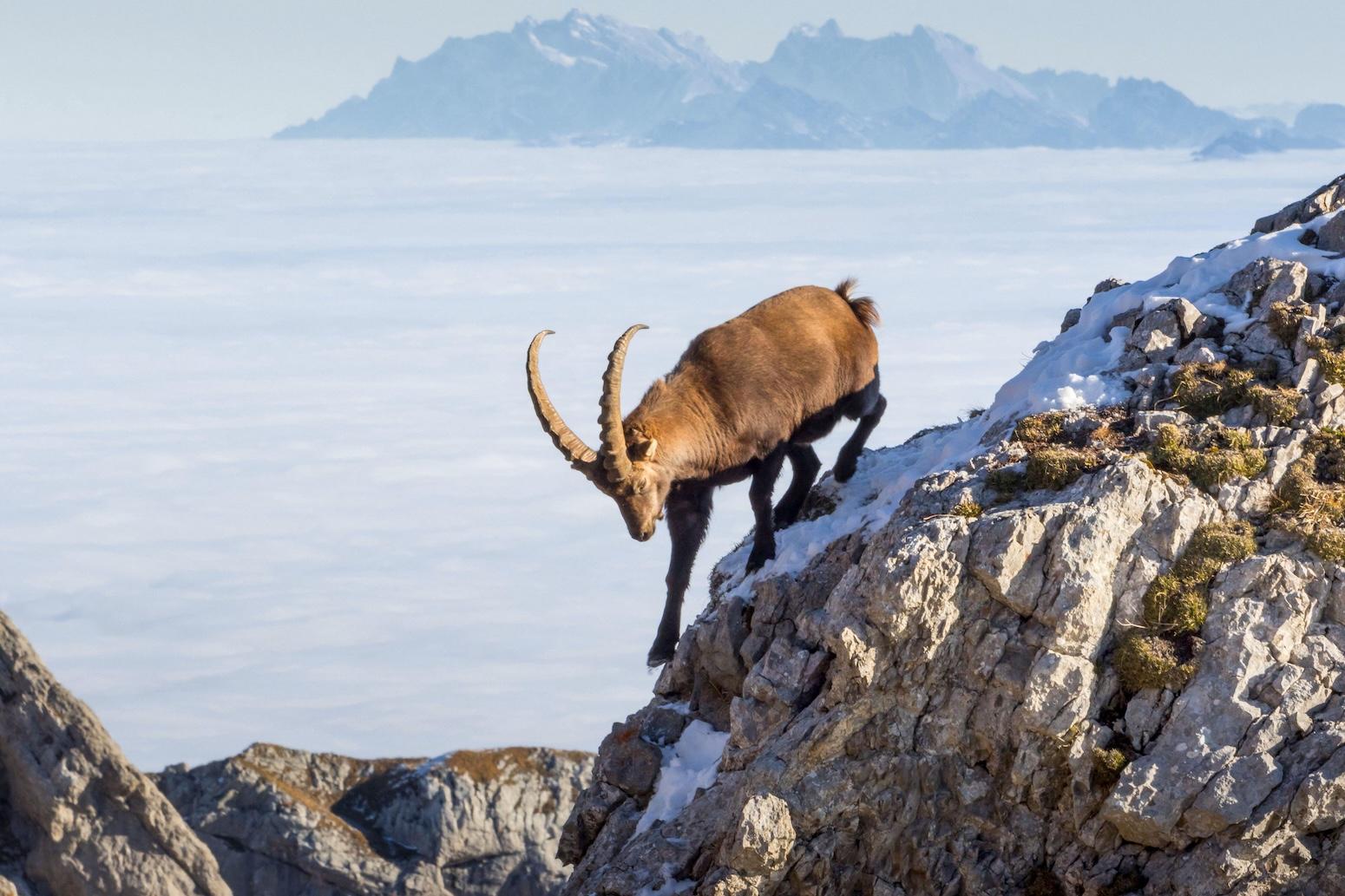
A UN report released ahead of COP17 warned that first biodiversity plans filed by countries are “insufficient” to meet the decade’s global targets, including a goal to protect at least 30% of the world’s land and marine ecosystems by 2030. UN Secretary-General António Guterres highlighted at a press conference in Armenia that “the bad news” is that less than half of country plans are on track to meet its targets. Guterres said that if current commitments are met by the end of the decade, only 26% of land ecosystems and 12% of marine ecosystems will be protected, falling “real short” of the 30% target agreed in Montreal in 2022.
UN Environment chief Inger Andersen said the report “sets the tone for the focus, ambition and urgent action we need to deliver” in Armenia, and she urged “All leaders and all negotiators must respond to these findings.” The report’s framing also ties biodiversity to climate, with Andersen adding that “Exceedence of 1.5C increases the likelihood of forest diebacks” and other risks.
COP17 stakes for delivery
WWF urged countries to use COP17 to unlock faster delivery, saying COP17 must deliver results, not more promises, as it called for political momentum and urgent actions to accelerate biodiversity recovery. WWF’s analysis said governments need to build political will for biodiversity action, and it quoted WWF International’s Kirsten Schuijt saying: “COP17 must move countries towards action and implementation.” The analysis also argued that national biodiversity plans will not deliver if they remain the responsibility of environment ministers alone, and it said decisions made elsewhere in government can support biodiversity goals or undermine them.
The State of Biodiversity Report launch statement from UNEP said the report shows that “we must do so much more,” and it warned that even if temperatures return to 1.5°C by the end of the century, “we are looking at decades of heightened climate impacts, with very significant consequences for biodiversity.” UNEP’s statement tied the COP17 moment to finance and policy coherence, saying the GBF calls for US$200 billion per year from all sources and that “today, every dollar invested in protecting nature, US$30 are still spent destroying it.”