Technology and Science14 May, 20262 min read
Reykjavik Developer Hermann Haraldsson Builds Clawdmeter Desktop Dashboard for Claude Code Token Usage
This article is an automated aggregation of coverage from news outlets. Our editorials offer in-depth analysis curated by the NewsCord team.
Compact ESP32-based desk dashboard monitors Claude Code token usage. AMOLED display shows Claude Code usage with Clawd mascot animation.

Clawdmeter for Claude Code
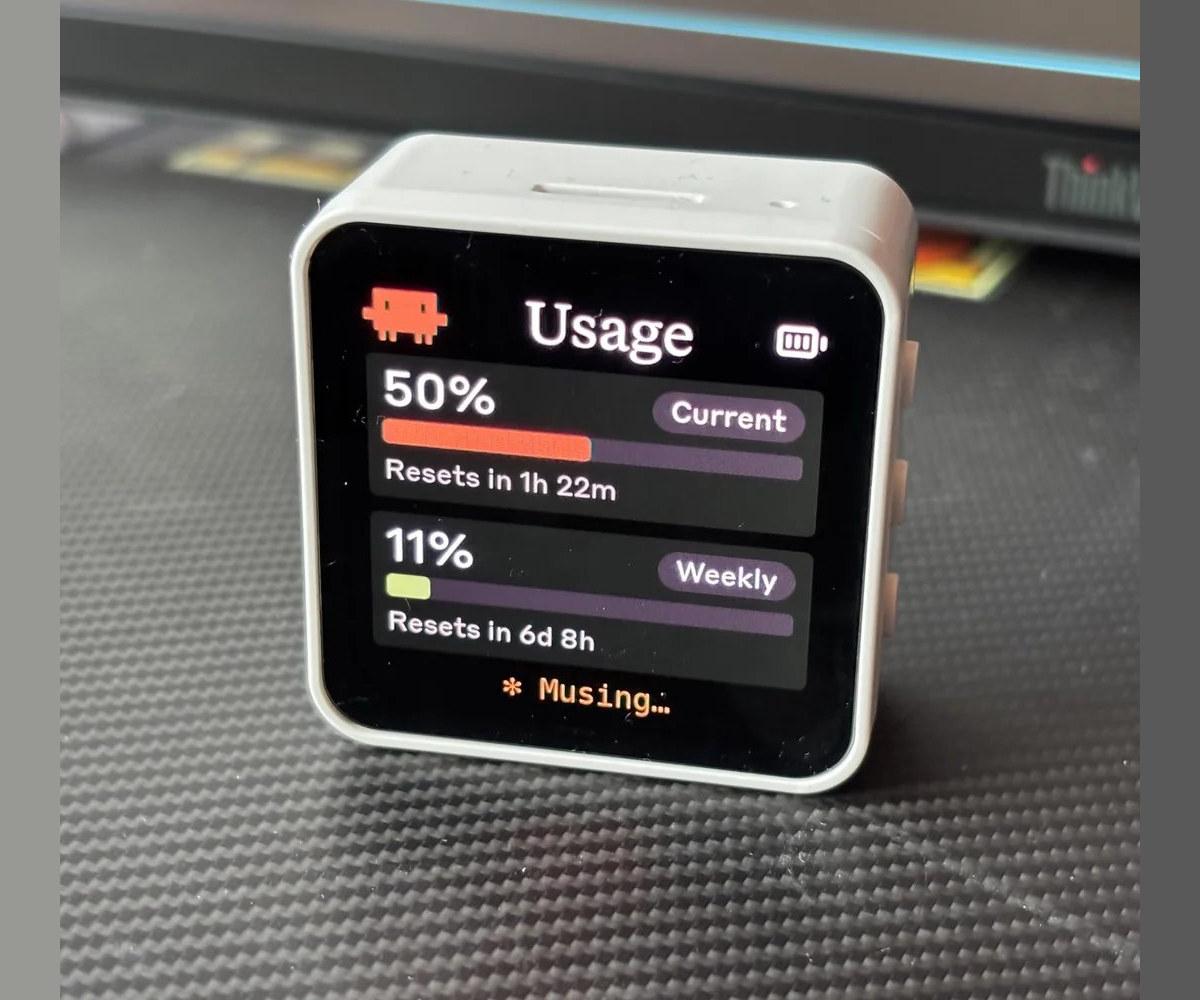
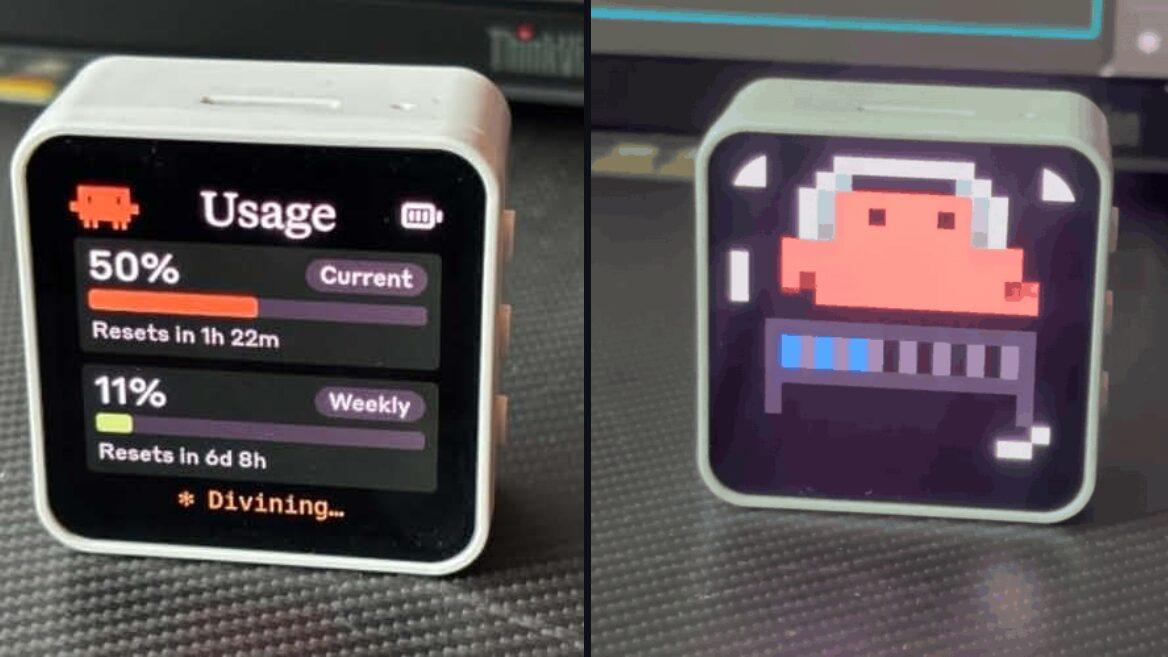
A new open-source hardware project called Clawdmeter turns Claude Code usage stats into a tiny desktop dashboard, giving AI power users a physical display of their consumption habits. Reykjavik-based software developer Hermann Haraldsson built the device and told TechCrunch, “It’s really democratized access to programming, so that anyone can now do what developers used to do,” describing how Claude helped him complete the project in just a few days. The device uses a small lithium-ion battery-powered display like the Waveshare ESP32-S3-Touch-AMOLED-2.16, pairs with a laptop over Bluetooth, and plays pixel-art Clawd animations that become more energetic as token usage increases.
TechCrunch says the splash screen remains on the display until Haraldsson presses a middle button to show session and weekly Claude utilization data in simple charts. Since its May 10 launch, TechCrunch reports that over 800 people have starred it on GitHub and 50 have already forked the repository.
How it tracks tokens
Clawdmeter keeps up with Claude Code usage limits by reading the user’s Claude Code OAuth token to make an API call and pulling usage numbers from the response headers directly. Hackster.io describes a Linux daemon that polls Anthropic’s API every 60 seconds using the user’s existing Claude credentials, then transmits the data to the handheld display over a custom BLE GATT service using lightweight JSON payloads. The device boots into an animated splash screen featuring pixel-art “Clawd” sprites sourced from the open-source claudepix library, and Hackster.io says the animations become more frantic and energetic as utilization rises.
Hackster.io adds that a tap on the touchscreen toggles between the splash animation and detailed status displays, including usage statistics and Bluetooth connection information. For voice and mode switching, Hackster.io says the left button functions as a push-to-talk trigger by transmitting a Space keypress over BLE HID, while the right button sends Shift+Tab for mode switching system-wide with whichever application currently has focus.
Open source, legal cautions
Because Clawdmeter is open source, the project’s repository can be forked to add custom features, animations, screens, and more, according to TechCrunch and the project’s broader documentation described by MEXC. MEXC says the device uses pixel-art animations with real-time utilization charts and that pressing the middle button reveals session and weekly utilization data in simple charts, while additional side buttons send keyboard shortcuts for Claude Code’s voice mode and mode-toggle features. CNX Software describes Clawdmeter as a DIY ESP32-S3 desk dashboard that relies on off-the-shelf hardware like the Waveshare ESP32-S3-Touch-AMOLED-2.16 and leverages the LVGL graphics library for its graphical user interface.
CNX Software also notes that the firmware is written in C using Platform IDE with the help of Claude, and it describes the two side buttons sending Space and Shift+Tab over BLE HID for Claude Code’s voice mode and mode-toggle shortcuts. In a legal caution, dev.ua says the author “warns users about legal nuances, as the project uses Anthropic’s proprietary fonts and graphics without an official license,” and it adds that the author urged caution when creating forks of the repository.