Russia · 06 August, 2026 · 3 min read
Russian Drones Attack EMIL Cargo Ship Near Odesa, Fire Disables Maneuvering
EMIL, Liberian-flagged German-owned, struck by Russian drones near Odesa; fire, unable to maneuver. All 11 crew members reportedly unharmed and evacuated after the incident.
Casualties reported for the Mera Queen attack.
6 of 8 outlets skipped it: DW-linked timing phrase: Puma attacked on the night of August 4.
15outlets compared
Same story, two versions
tap a side to read it in full
УУНН
“As a result of the strike, a Ukrainian sailor was killed and three other crew members were injured.”Read the original ↗
Ukrinform and UA.NEWS contradict UNN/Al Jazeera on Mera Queen casualties: deaths/injuries omitted vs reported
Black Sea drone strike
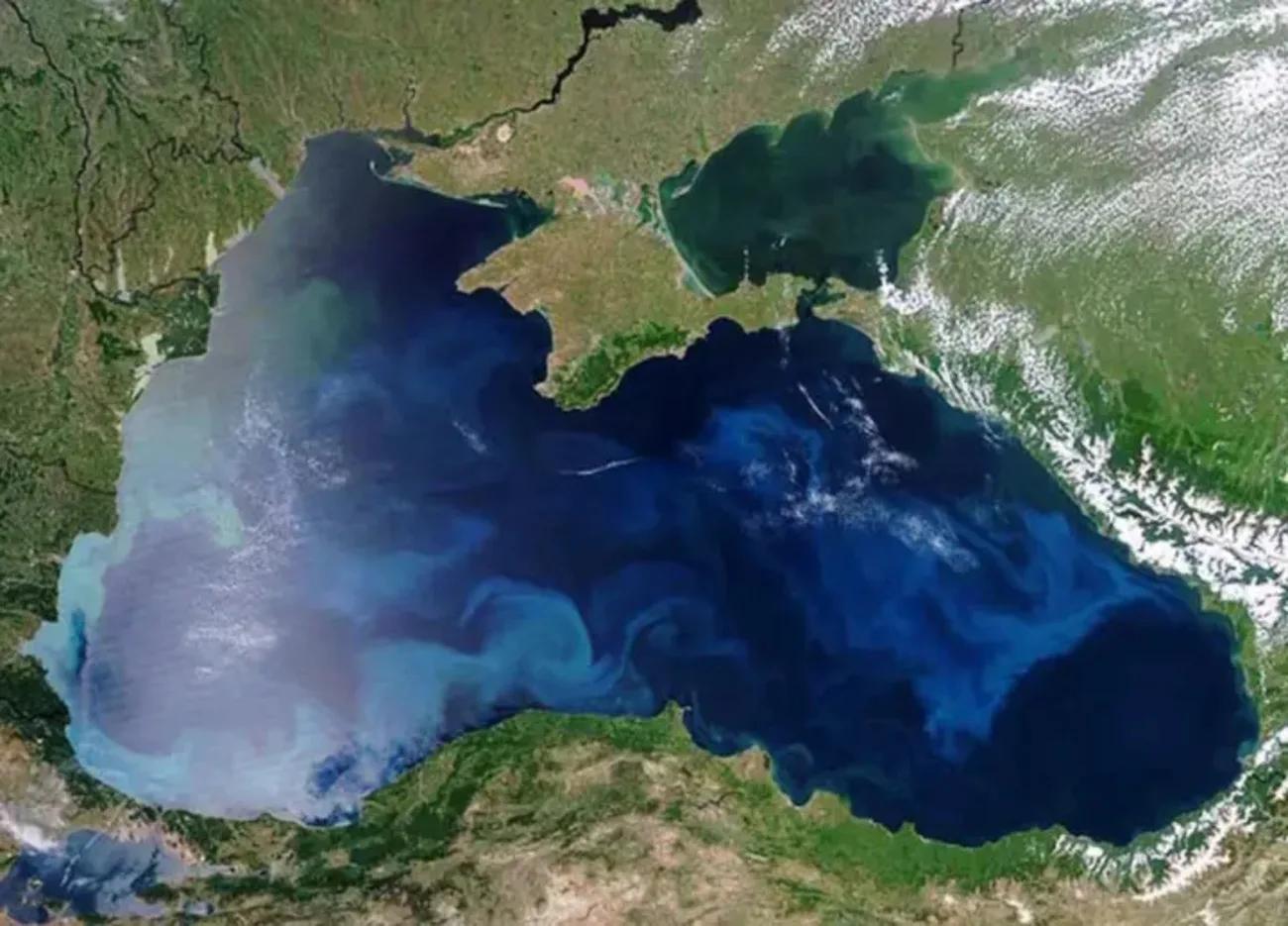
Russian drones attacked the Liberian-flagged cargo ship EMIL in the Black Sea near Odesa on the evening of August 5, about 21 nautical miles (about 39 kilometers) from the port, according to UA.NEWS and Ukrinform.U
“The crew of 11 sailors was evacuated; there were no casualties.”
The strike caused a fire on board, put some of the ship’s systems out of commission, and left the vessel unable to maneuver, with UA.NEWS adding that another drone struck the ship while the crew was being evacuated.

Ukrinform reported that the crew was evacuated and that there were no casualties, while UA.NEWS said the report does not mention any fatalities or injuries among the crew.U
UA.NEWS identified the ship as flying the Liberian flag but owned by the Hamburg-based shipping company Johann M. K. Blumenthal, and Ukrinform said the same bulk carrier was linked to that German company.
Ukrinform also said a second vessel affected that day was the dry cargo ship Mera Queen, carrying grain and flying the flag of Guinea-Bissau, after drones attacked it as well.
Competing casualty accounts
While Ukrinform described EMIL’s crew evacuation without casualties, it reported that the same day Russian drones attacked Mera Queen and that “one crew member was killed in the attack,” with the rest of the crew evacuated after the fire broke out. Al Jazeera’s account of the Black Sea attacks tied to the same broader period said a Russian attack damaged a foreign-flagged ship loaded with wheat, killing a crew member and causing a fire, with Oleh Kiper saying the vessel was Mera Queen. In the Black Sea incident, CNBC said one person was killed and three others were injured in a Russian attack on a foreign-flagged ship loaded with Ukrainian wheat, and it added that the crew was evacuated after a fire broke out.
For the Russian side, Al Jazeera reported that Russia’s Ministry of Defence said it had shot down 605 Ukrainian drones overnight, while Ukrinform said the Russian Ministry of Defense confirmed strikes on two cargo ships and claimed they were allegedly transporting “military equipment” for the Ukrainian army. Ukrinform also said the Russian Defense Ministry described the attacks on civilian warehouses belonging to German companies as “a strike against logistics and distribution centers for military products in Kyiv and its environs,” as Puma and Liqui Moly reported damage to their own facilities.
Energy and supply-chain fallout
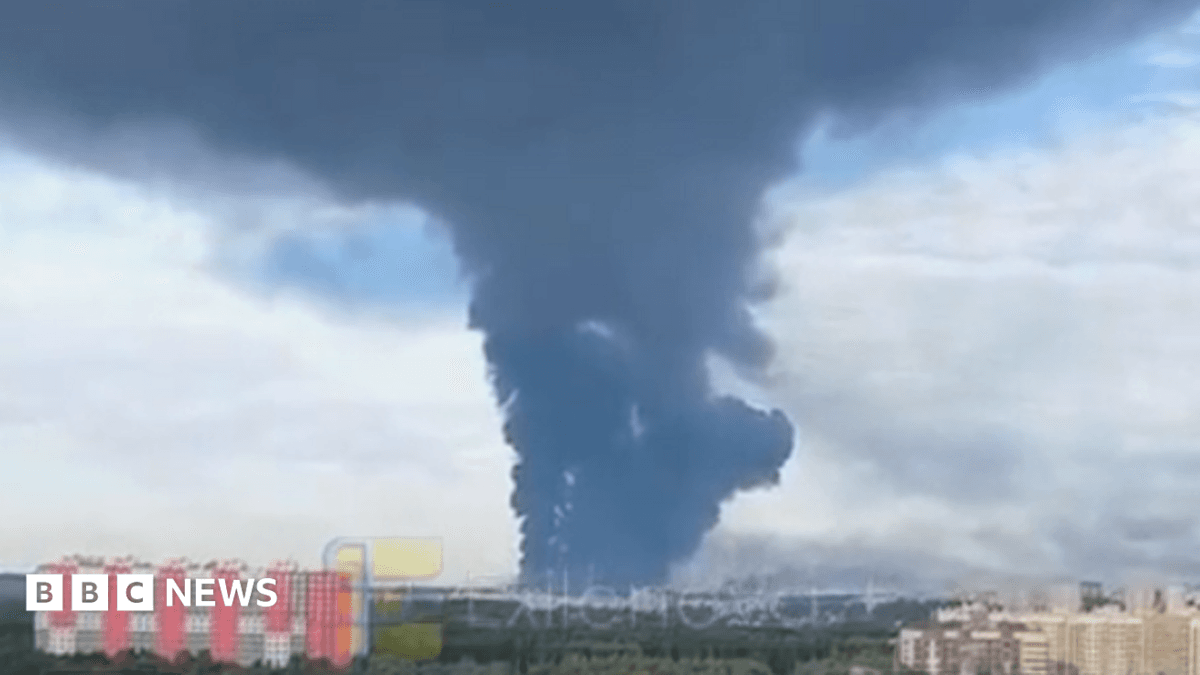
Beyond the Black Sea, UA.NEWS said a Russian attack damaged the Puma logistics center in Ukraine and destroyed a warehouse belonging to Liqui Moly in Kyiv on the same night of August 5, with Puma confirming it was attacked by ballistic missiles. UUkrinform likewise reported that Puma confirmed “Puma’s logistics center in Ukraine was attacked by ballistic missiles on the night of August 4,” while also saying a warehouse belonging to Liqui Moly was destroyed in Kyiv and that rebuilding was not currently being considered. Reuters reported that Ukrainian President Volodymyr Zelenskiy said Ukraine struck two Russian oil refineries—Bashneft-Novoil in Bashkortostan and Slavneft-Yanos in the Yaroslavl region—after a Ukrainian drone attack, with Reuters adding that the Slavneft-Yanos facility has a processing capacity of 15 million metric tons per year.
“Sportswear manufacturer Puma confirmed that on the night of August 5, Russian troops attacked its logistics center in Ukraine.”
Reuters also quoted Yaroslavl governor Mikhail Evrayev saying the fire in fuel tanks caused by falling drone debris had been put out as quickly as possible, and it reported that 102 firefighters and 47 pieces of equipment had been dispatched. Ukrainska Pravda reported that Ukraine’s SSU struck two Project 10410 Svetlyak-class patrol vessels of the Russian FSB coast guard—Balaklava and Kerch—in Kerch, and it said early reports indicated four RVS-2000 crude oil storage tanks were damaged at Slavneft-Yanos, with two tanks catching fire.