Protests23 October, 20252 min read
Saudi King Salman Appoints Ultraconservative Sheikh Saleh Al-Fawzan as New Grand Mufti
This article is an automated aggregation of coverage from news outlets. Our editorials offer in-depth analysis curated by the NewsCord team.
King Salman appointed Sheikh Saleh bin Fawzan al-Fawzan as new grand mufti. Sheikh Saleh, aged 90, is known for his ultraconservative religious views.

8 outlets told this the same way.
Saudi Arabia's New Grand Mufti
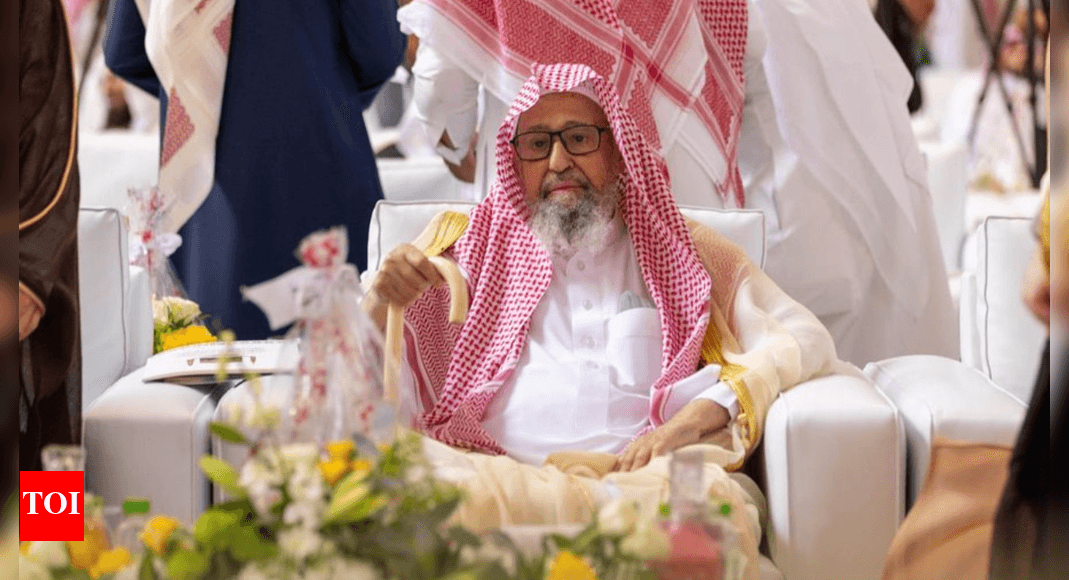
Saudi Arabia has appointed Sheikh Saleh bin Fawzan al-Fawzan as the kingdom’s new grand mufti, the highest religious authority. He is a 90-year-old ultraconservative scholar. The appointment was made by royal decree from King Salman upon the recommendation of Crown Prince Mohammed bin Salman.
“The appointment was made by King Salman on the recommendation of Crown Prince Mohammed bin Salman.”
Multiple outlets across regions confirm the core facts of his age, role, and the appointment mechanism. Some sources present the information in a strictly factual and institutional manner, while others place it within a broader political-religious context. This appointment fills the post following the long tenure of Sheikh Abdulaziz bin Abdullah al-Sheikh, who served for 25 years before his recent passing.
Profile of Sheikh Saleh
Sheikh Saleh’s profile is well-established across media and religious channels. Reports describe his decades-long prominence via radio programs, TV appearances, and books.
Several outlets also note his modern reach through social media alongside influential fatwas or religious edicts. While the core characterization is consistent—an influential ultraconservative jurist with a wide platform—different sources spotlight distinct mediums and descriptors when recounting his rise.

Controversy Around al-Fawzan
Controversy surrounding al-Fawzan is a prominent theme across various media coverage, though the intensity and details differ. Several Western and Asian outlets report his derogatory remarks about Shiite Muslims and his support or defense of slavery within the context of Islam. These sources also highlight his religious ruling banning the mobile game Pokémon Go.
“He has faced criticism for controversial statements, including derogatory remarks about Shiite Muslims and support for slavery as part of Islam. He also issued a fatwa banning the mobile game ‘Pokémon Go.’”
Some Asian media use even stronger language to describe his sectarian statements and interpret the Pokémon Go ban as related to gambling. One Asian outlet uniquely mentions his condemnation of Yemen’s Houthi rebels for attacking Saudi holy sites.
Saudi Leadership and Reform Context
Several outlets situate the appointment against Saudi Arabia’s ongoing transformation. Asian outlet Devdiscourse explicitly ties his selection to the state’s effort to balance traditional religious values with social and economic reforms, projecting that his leadership will be pivotal during this transition.
Editorji underscores a sharper contrast, listing emblematic reforms such as lifting the driving ban on women and expanding entertainment, and presents his conservative stance as at odds with these changes. By contrast, Western coverage generally highlights his conservative rulings and controversies without dwelling on the reform agenda.

Succession of Saudi Grand Mufti
The succession context also draws varied emphasis. Multiple outlets note he replaces Sheikh Abdulaziz bin Abdullah al-Sheikh after a 25-year tenure. Western outlets underline the al-Sheikh family’s historic dominance of the post.
“Sheikh Saleh succeeds Sheikh Abdulaziz bin Abdullah al-Sheikh, who served as grand mufti for 25 years and belonged to a family traditionally holding the position.”
Asian sources add timing and global influence details. Editorji stresses the grand mufti’s reach over Sunni Muslims worldwide tied to Saudi custodianship of Mecca and Medina. United News of Bangladesh specifies the predecessor’s death in September—details not uniformly present across Western reporting cited here.
