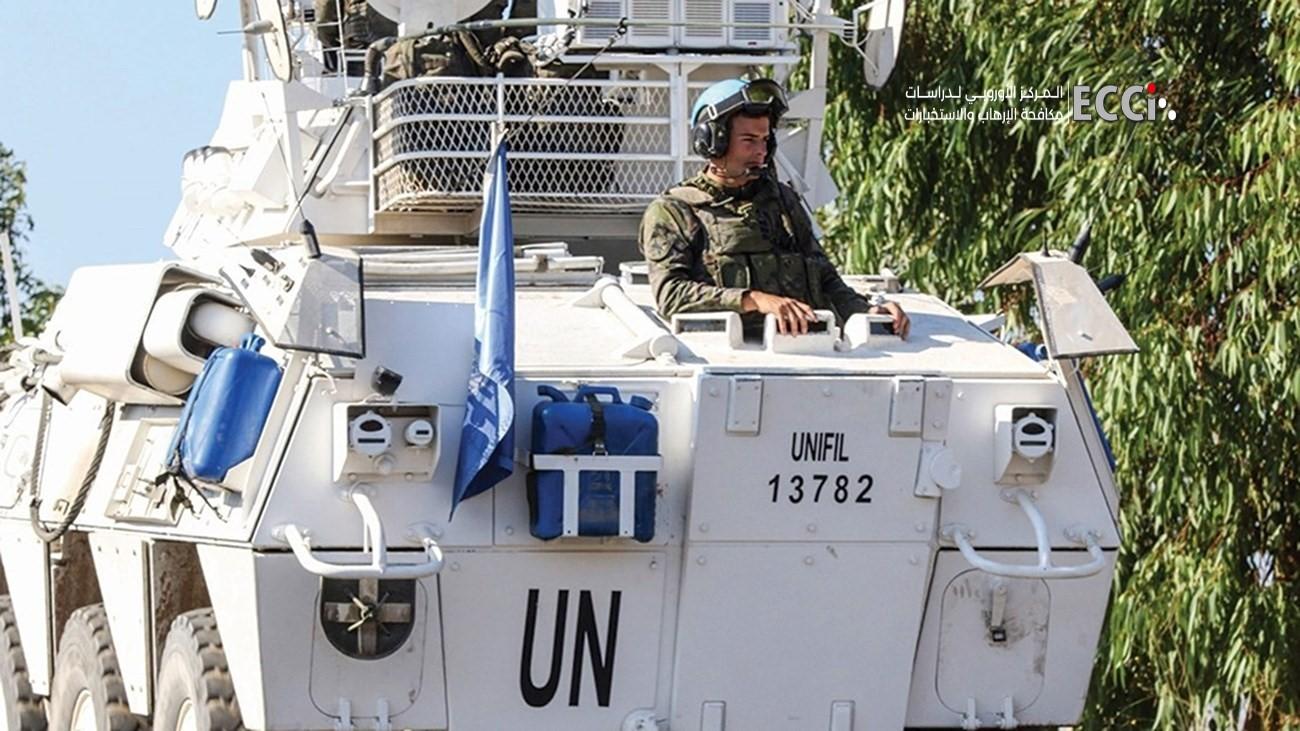
Lebanon · 27 August, 2026 · 3 min read
Security Council Consultations Discuss UNIFIL’s Future Amid Security Escalation in Southern Lebanon
Security Council to hold closed consultations to discuss UNIFIL's future amid southern Lebanon escalation. France leads discussions to consider post-UNIFIL arrangements as the mission ends.
3 outlets told this the same way.
3outlets compared
UNIFIL mandate review
The Security Council will hold closed consultations tomorrow morning to discuss the situation in Lebanon at France’s request, with the lead on the Lebanese file in light of ongoing security escalation in the south. The consultations are expected to include briefings from the Under-Secretary-General for Political and Peacebuilding Affairs, Rosemary DiCarlo, and the Under-Secretary-General for Peace Operations, Jean-Pierre Lacroix. Traditionally, the end of August each year marks the Security Council’s review of UNIFIL’s mandate in the south, and it was last renewed unanimously in August of last year with Resolution 2790.
Resolution 2790 extended UNIFIL’s mandate for one final time until 31 December 2026 and ordered the mission to begin a gradual drawdown and full withdrawal from that date, “within a year.” During negotiations on the resolution, the United States pressed for a final deadline to end UNIFIL’s mission and hinted at readiness to use its veto against a renewal of the mandate if this deadline was not included.

Debate over post-UNIFIL
At the consultations related to the implementation of Resolution 1701 held on 16 July, Jean-Pierre Lacroix stressed the need for an early decision on post-UNIFIL arrangements to facilitate planning for a potential transition. Lacroix noted that the UN Secretariat is preparing for different scenarios but will need guidance from the Council on the nature of any later presence, while several members stressed the importance of avoiding a security vacuum in southern Lebanon. A separate analysis from the European Center for Counter-Terrorism and Intelligence Studies, Germany and the Netherlands ECCI Bonn argues that the “question of the usefulness of these forces has remained on political decision-makers’ desks” since international emergency troops set foot in southern Lebanon in 1978 under Resolutions 425 and 426.
The same piece says the alternative is for Lebanon to hand over control of the land, all land, to the Lebanese Armed Forces under the management and supervision of the Lebanese government, and it calls for ending the “sterile UNIFIL experiment.” It also frames the need for stability as an “inescapable equation” tied to “the deployment of the Lebanese Army,” while discussing proposals for replacing blue helmets with formations of European brigades.
Violence and health toll
Al-Manar TV Lebanon says that despite a decrease in the level of violence compared to earlier this year, the situation in southern Lebanon remains fragile. In the same outlet’s live updates, the Lebanese health ministry is reported as recording 4325 martyrs and 12381 injuries from the Israeli war on Lebanon since March 2, 2026. The live feed also reiterates that “Israeli Enemy Continues Its Attacks in South Lebanon,” placing the UNIFIL mandate debate against an ongoing security backdrop in the south.
The ECCI Bonn analysis describes UNIFIL’s role as unable to prevent a war or deter aggression and says international patrols became daily targets of pressure by Hezbollah’s “Residents Battalion.” It further argues that the international force collided with Hezbollah’s military presence in the south of the Litani area, while calling for the Lebanese Armed Forces to take sole authority over the entire south up to the Blue Line.