Technology and Science05 August, 20263 min read
Syrian Electricity Company Signs Three Solar Agreements With Saudi Al-Harfi Construction in Damascus
This article is an automated aggregation of coverage from news outlets. Our editorials offer in-depth analysis curated by the NewsCord team.
Three agreements to build solar plants totaling 760 MW capacity in Rural Damascus. They include battery storage systems totaling 1,077 MW.

Three solar deals signed
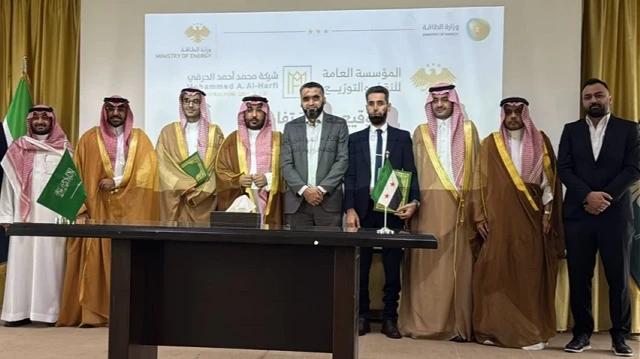
The Syrian Electricity Company signed three agreements with Saudi Arabia’s Al-Harfi Construction company at the company’s headquarters in Damascus to implement solar power projects in the Widyan ar-Rabi’ area in Damascus Countryside. SANA said the agreements cover a total generation capacity of 760 megawatts (MW), supported by battery energy storage systems with a capacity of 1,077 MW.
SANA also reported that in February the General Establishment for Electricity Transmission and Distribution (PETDE) signed a memorandum of understanding with Al-Harfi Construction to implement a 210 MW solar energy project supported by battery energy storage systems with a capacity of 827 megawatt-hours (MWh). SOLARAPIK said the Power Purchase Agreement (PPA) between the Syrian Electricity Company (SEC) and the Saudi Harfi Company was signed under the auspices of the Syrian and Saudi energy ministries, with officials including Osama Abu Zaid and Faisal Al-Daaj participating.

Grid, storage and capacity
SOLARAPIK said the three solar projects are in the Wadi Al-Rabie area of Rural Damascus, connected at 400 kilovolts, with two solar plants supported by battery storage systems and a 274 MW solar plant for the panels and 200 MW for inverters. The Energy Platform data reviewed by الــطاقة said the projects aim to establish solar power plants with a total capacity of 760 megawatts, along with battery storage systems with a capacity of 1,077 megawatt-hours, to support grid stability and improve operational efficiency.
الطاقة reported that the agreements were signed at the headquarters of the Syrian Electricity Company in Damascus in the presence of the company’s CEO, Engineer Omar Shakrouq, and included commercial annexes for implementing projects for solar power plants in the Wadi Al-Rabi area. In a comment carried by Al-Jazeera Net, Energy Minister Mohammed Al-Bashir said the implementation of solar power plants with a total capacity of 760 megawatts, supported by battery storage systems with a capacity of 1,077 megawatts, comes within the framework of developing a more stable and efficient electrical system.
Energy cooperation and next steps
الطاقة said the agreements come as part of the Syrian government’s efforts to expand reliance on clean energy sources and attract regional investments to the electricity sector, which faces challenges due to the widening gap between production and consumption. The same source reported that Saudi Arabia provided last September a fuel grant to Syria comprising 1.6 million barrels of oil to help secure petroleum product needs and supply fuel required to operate power plants.
Al-Jazeera Net added that in February a memorandum of understanding was signed by the General Foundation for Transmission and Distribution of Electricity with the Saudi Harfi Contracting Company for a solar energy project with a capacity of 210 megawatts, supported by battery storage capacity of 827 megawatts. Al-Jazeera Net also said Energy Minister Mohammed Al-Bashir, in the presence of President al-Sharaa, signed a memorandum of understanding in the energy sector worth $7 billion with a consortium led by Qatar’s Europecon Holding via its UCC Qatar subsidiary, and that the agreement includes development of four power generation plants with gas turbines operating on a combined cycle in Deir Ezzor, Mhardeh, Zizoun in rural Hama, and Trefai in rural Homs.