Technology and Science23 October, 20253 min read
Trump Administration Opens Arctic National Wildlife Refuge to Devastating Oil Drilling and Road Construction
This article is an automated aggregation of coverage from news outlets. Our editorials offer in-depth analysis curated by the NewsCord team.
Trump administration finalized plan to open 1.56 million acres of Arctic refuge to oil drilling Interior Secretary Doug Burgum approved construction of a road through Izembek National Wildlife Refuge

8 outlets told this the same way.
Alaska Arctic Refuge Drilling
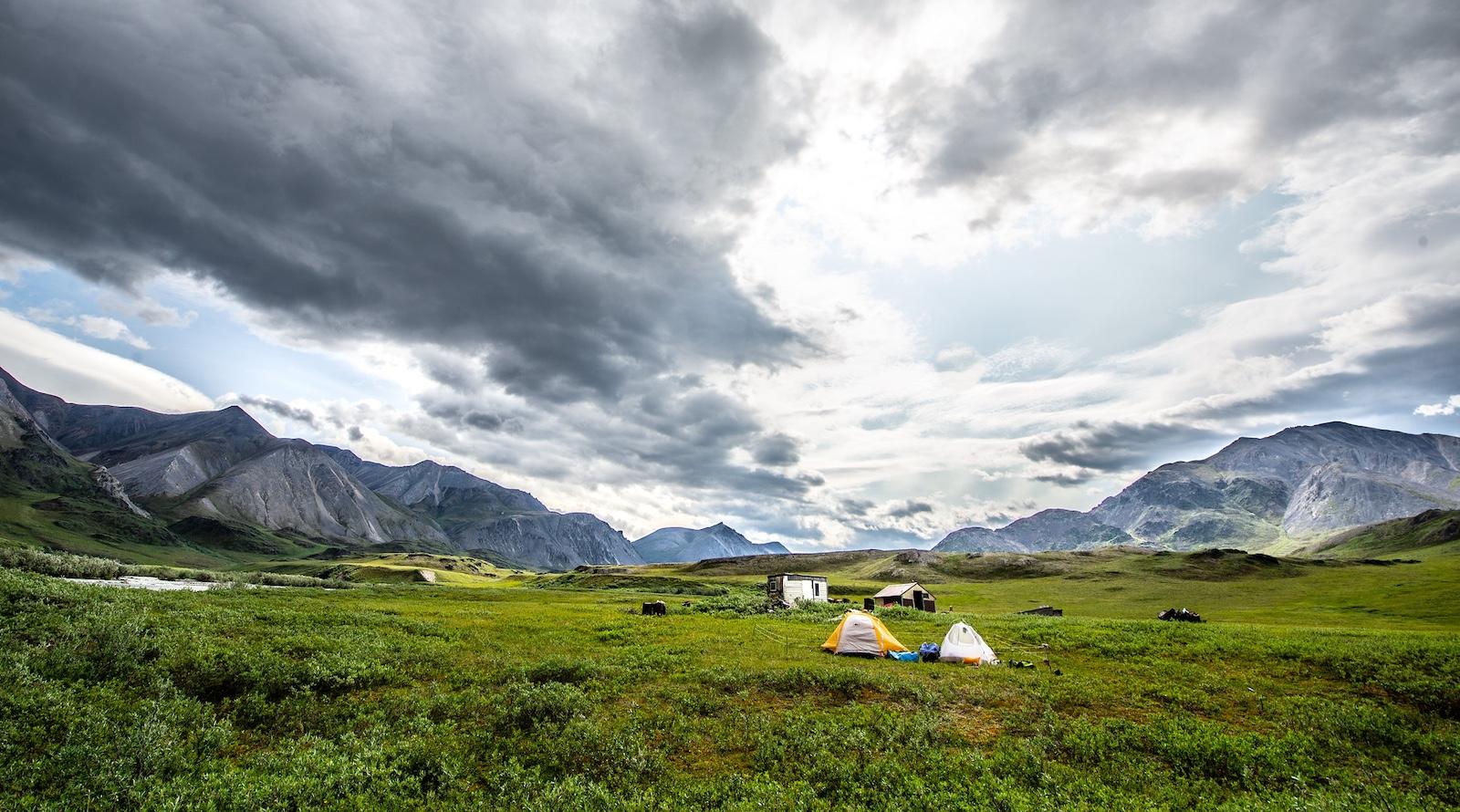
The Trump administration moved to open Alaska’s Arctic National Wildlife Refuge (ANWR) to oil and gas development. Interior Secretary Doug Burgum announced the reopening of the refuge’s coastal plain. Coverage converges that roughly 1.5–1.56 million acres of the coastal plain are implicated.
“The Trump administration has approved expanded oil and gas drilling in Alaska’s Arctic National Wildlife Refuge (ANWR), opening 1.56 million acres of its coastal plains for development.”
However, framing differs by outlet and region. Western mainstream sources highlight the scope and controversy of the decision. West Asian coverage underscores the long-running resource debate.
Local Alaska reporting adds political context about reversals of Biden-era halts. CleanTechnica characterizes the move as opening “large areas” to drilling and part of a broader package of decisions. The Guardian specifies 1.56 million acres and stresses biodiversity concerns.
Anadolu Ajansı emphasizes the plan, the coastal plain’s scale, and potential oil reserves. Anchorage Daily News notes the reopening after prior Biden-era pauses. The Washington Post confirms the reopening announcement in concise terms.
Road Projects Near Wildlife Refuge
Two road initiatives accompany the drilling push. Reports indicate that a road through the Izembek National Wildlife Refuge is moving forward and that the 211-mile Ambler Road is also being advanced. However, news outlets differ on the specifics and purpose of these projects.
The Washington Post reports a controversial land deal to build a road in Izembek. The Anchorage Daily News specifies this as an 11-mile gravel road intended for emergency access between King Cove and Cold Bay. It also notes the reissuance of permits for the 211-mile Ambler Road to reach mineral deposits.

CleanTechnica highlights both roads as controversial passages through protected lands and describes the Izembek segment as allowing unrestricted use. The Guardian uniquely claims that the 211-mile Ambler Road partially crosses Izembek, which conflicts with Anchorage Daily News’ clear distinction between the two separate projects.
Environmental and Indigenous Concerns
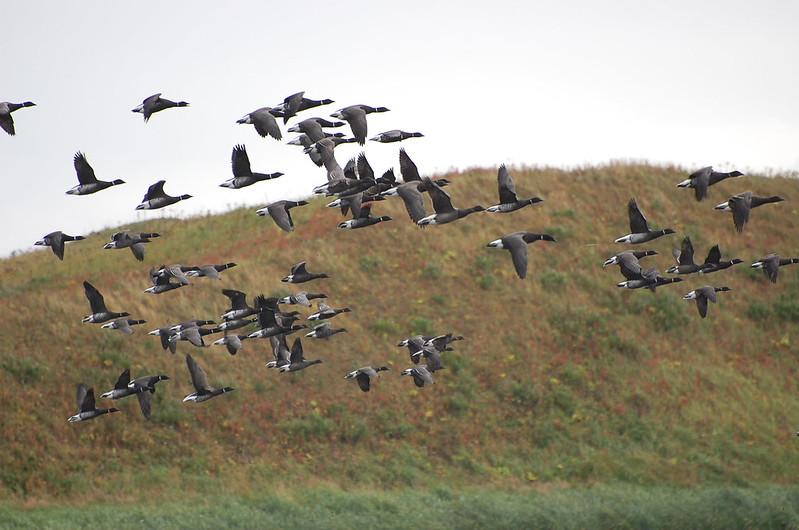
Environmental and Indigenous stakes dominate critical coverage. The Guardian underscores the coastal plain’s biodiversity—polar bears, caribou, moose, whales, and seals—and warns that road-building threatens more than 200,000 migratory birds and endangers Indigenous communities dependent on subsistence. CleanTechnica amplifies this by citing Sierra Club opposition, impacts on over 60 Alaska Native villages, and risks to the Gwich’in people and fragile ecosystems.
“This area is home to diverse wildlife such as polar bears, caribou, moose, whales, and seals.”
Anchorage Daily News reports conservation groups’ condemnation over threats to wildlife and subsistence hunting. By contrast, Anadolu Ajansı’s framing highlights the area’s vastness and potential oil wealth within a long-standing policy debate, downplaying immediate ecological harm relative to Western Alternative and some Western Mainstream outlets.
Reactions to Alaska Land Policies
Supporters and critics portray the moves through starkly different political lenses. Anchorage Daily News reports Alaska officials praised the actions as boosting the economy and national security and fulfilling Trump-era promises to develop state resources. The Guardian frames them as reversing Biden-era protections and adds a new winter lease sale in the National Petroleum Reserve–Alaska, expanding the policy shift beyond ANWR.
CleanTechnica similarly casts the actions as reversing protections and part of broader land transfers tied to the Ambler plan. The Washington Post confirms the Izembek land deal and ANWR reopening without expounding on benefits or harms, reflecting a restrained mainstream brief.

Discrepancies in Land Reports
Key details still vary or remain disputed across reports. Acreage figures differ slightly across outlets—The Guardian and Anadolu Ajansı cite 1.56 million acres, while Anchorage Daily News says 1.5 million acres. CleanTechnica alone reports a transfer of nearly 23,600 acres of public land tied to the Ambler plan, and it asserts the Izembek road would allow “unrestricted use,” a claim absent from the Washington Post and contradicted in purpose by Anchorage Daily News’ “emergency access” framing.
“The Trump administration announced it is proceeding with a controversial land deal to build a road through the Izembek National Wildlife Refuge in southwest Alaska.”
The Guardian’s unique assertion that the 211‑mile Ambler Road partially crosses the Izembek Refuge conflicts with Anchorage Daily News’ delineation of two separate roads; the available snippets do not resolve this discrepancy. Additionally, only The Guardian mentions a winter lease sale in the National Petroleum Reserve–Alaska, suggesting broader expansion beyond ANWR that other outlets do not address in the provided material.