Protests01 November, 20252 min read
Trump Administration Sabotages Global Climate Action by Refusing to Send Senior Officials to COP30 Summit
This article is an automated aggregation of coverage from news outlets. Our editorials offer in-depth analysis curated by the NewsCord team.
The US will not send any senior officials to the COP30 climate summit in Brazil. Trump administration prioritizes bilateral fossil fuel partnerships over multilateral climate talks.
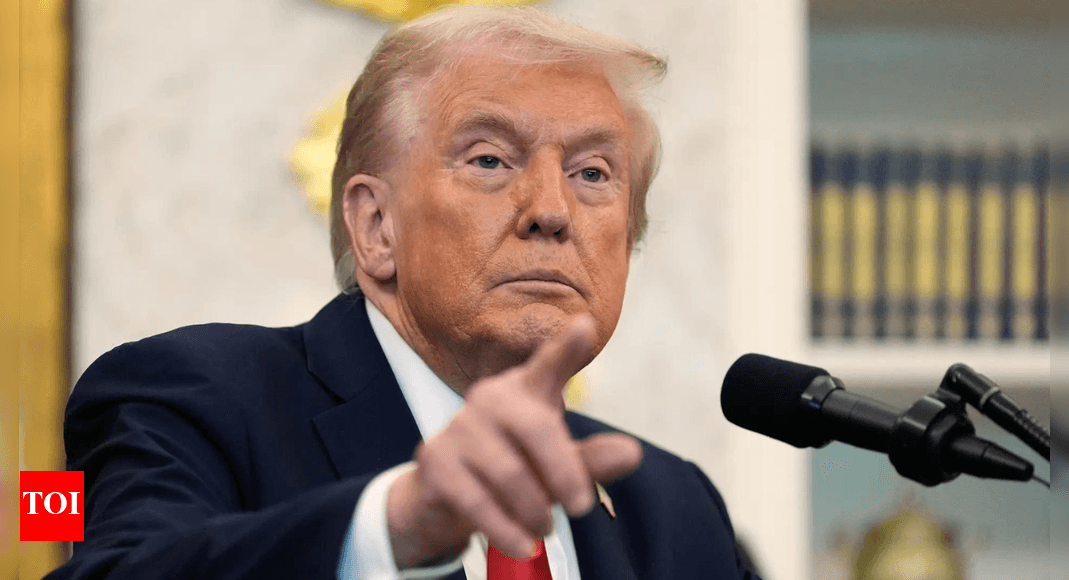
5 outlets told this the same way.
US Absence at COP30 Summit
The United States will not send any top or senior officials to COP30 in Belém, Brazil. Multiple outlets report that President Donald Trump is prioritizing fossil fuel promotion over high-level participation. Coverage links the absence to a likely dip in summit influence and momentum.
“The US will not send any top officials to the COP30 climate talks in Brazil later this month, as President Donald Trump focuses on promoting fossil fuels.”
Fewer than 60 world leaders have confirmed attendance, a stark fall from the nearly 200 at Dubai two years ago. Analysts warn that progress depends on engagement by major emitters such as the U.S. and China. Public concern is noted about how a U.S. no-show could weaken collective action and decision-making that COP30 is expected to shape for years ahead.

Concerns Over COP30 Engagement
Stakeholders fear that absent senior U.S. engagement could impede negotiations central to COP30’s purpose. The summit’s decisions are framed as pivotal for future global climate action. This concern is amplified by reported lower attendance and rising climate skepticism.
The Journal links the trend particularly to the U.S. Energy Reporters highlights how balancing domestic priorities with international commitments complicates outcomes.

The presence of some major players such as China’s Vice Premier Ding Xuexiang is noted. However, the absence of senior U.S. officials is portrayed as a potential drag on ambition.
US Climate Policy Debate
The Trump administration’s stated rationale diverges from critics’ concerns. The Journal reports the White House’s position that the president is engaging foreign leaders on energy through trade and peace deals rather than sending high-level representatives to COP30.
“The US White House stated that President Trump is engaging with global leaders on energy issues through trade and peace deals instead of sending high-level representatives to COP30.”
CNA reports that Trump is concentrating on international fossil fuel partnerships and reminds readers he twice withdrew the U.S. from the Paris accord. By contrast, Energy Reporters flags public worry that non-attendance by senior U.S. officials could weaken the collective fight against climate change and hinder progress toward global goals.
COP30 Attendance and Impact
Attendance dynamics add to the sense of diminished momentum. The Journal reports fewer than 60 leaders confirmed, a steep decline from nearly 200 at COP28 in Dubai. It notes participation by Germany, the UK, and China via Vice Premier Ding Xuexiang, with Argentina still unconfirmed.
CNA similarly reports fewer than 60 leaders, listing France, Germany, the UK, Norway, Chile, and Liberia. Energy Reporters underscores that the influence of COP30 outcomes will be significant and heavily shaped by whether major emitters show up with authority to negotiate.
Coverage of Leaders' Summit Timing and Issues
Important uncertainties and framing gaps remain regarding the upcoming conference. CNA provides specific timing for the leaders’ summit, scheduled for November 6–7, while the broader conference runs from November 10–21. The Journal cites the November 10–21 window without mentioning separate dates for the leaders’ summit.
“The COP30 conference is scheduled for November 10-21, with a leaders’ summit on November 6-7.”
Energy Reporters does not discuss the schedule at all, focusing instead on the stakes and public concern. Across outlets, there is clear reporting on the U.S. decision not to send senior officials and on Trump’s focus on fossil fuels. None of the sources use the term 'sabotage'; however, this interpretation appears in public concern reflected by Energy Reporters about the impact of such absences on collective efforts.