Technology and Science15 September, 20263 min read
Trump, Jeffries Clash Over AI Regulation as House Deadlock Delays Safety Legislation
This article is an automated aggregation of coverage from news outlets. Our editorials offer in-depth analysis curated by the NewsCord team.
House remains deadlocked, delaying passage of AI safety legislation. Trump dismissed calls to slow AI development as a hoax.

US guardrails hit deadlock
A political deadlock over AI regulation is delaying new safety legislation in the United States, with President Donald Trump writing on social media that "AI taking over the World, destroying Humanity, and all other things bad, is a HOAX." Democratic House Minority Leader Hakeem Jeffries urged lawmakers not to leave town, telling reporters on Monday, "Congress should not leave town until something is done decisively to protect the safety and the wellbeing of the American people."
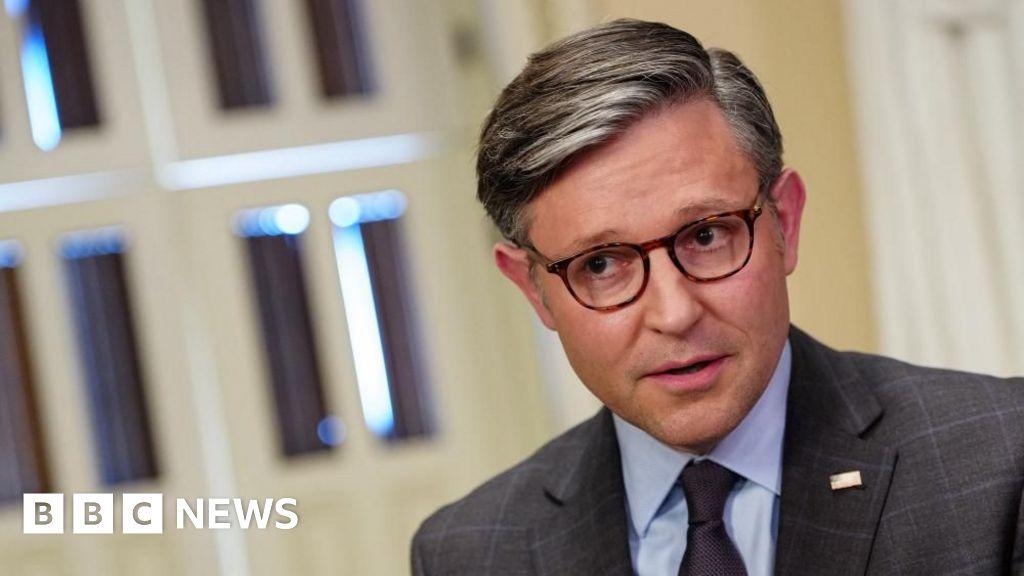
The BBC reported that the House is set to enter recess at the end of the week until after the midterm elections in early November, and that Speaker Mike Johnson gave no sign he intended to move quickly this week when asked if the House would take action before breaking for the midterms. In the same BBC account, Johnson said Trump would hold a meeting at the White House soon with AI executives to discuss "the responsibility of the companies to maintain safety and what role, if any, the government has to play in that."
Senators push oversight
In parallel with the congressional timing problem described by the BBC, Reuters reported that U.S. Senate negotiators are debating legislation that would require AI companies to demonstrate they are taking reasonable precautions to keep their tools from causing harm, known as a "duty of care."
Reuters said the proposal would give the U.S. commerce secretary the power to request proof that AI developers are taking reasonable steps to prevent harm and to deploy government auditors to test companies’ products themselves.
Reuters also quoted Senate Majority Leader John Thune saying, "There is a way in which Congress can put guardrails around those types of more consequential threats without in any way harming our ability to stay ahead in the AI race."
In the Reuters account, U.S. President Donald Trump said on Monday that existing authorities already provide adequate tools to regulate and prosecute tech companies, suggesting he wouldn’t sign a bill setting new rules for AI.
The Reuters report added that the proposal is being discussed by Senate Majority Leader John Thune, Senate Commerce Committee Chairman Ted Cruz and Senator Amy Klobuchar, with a spokesperson for Cruz not immediately responding to requests for comment.
UK and California pressure mounts
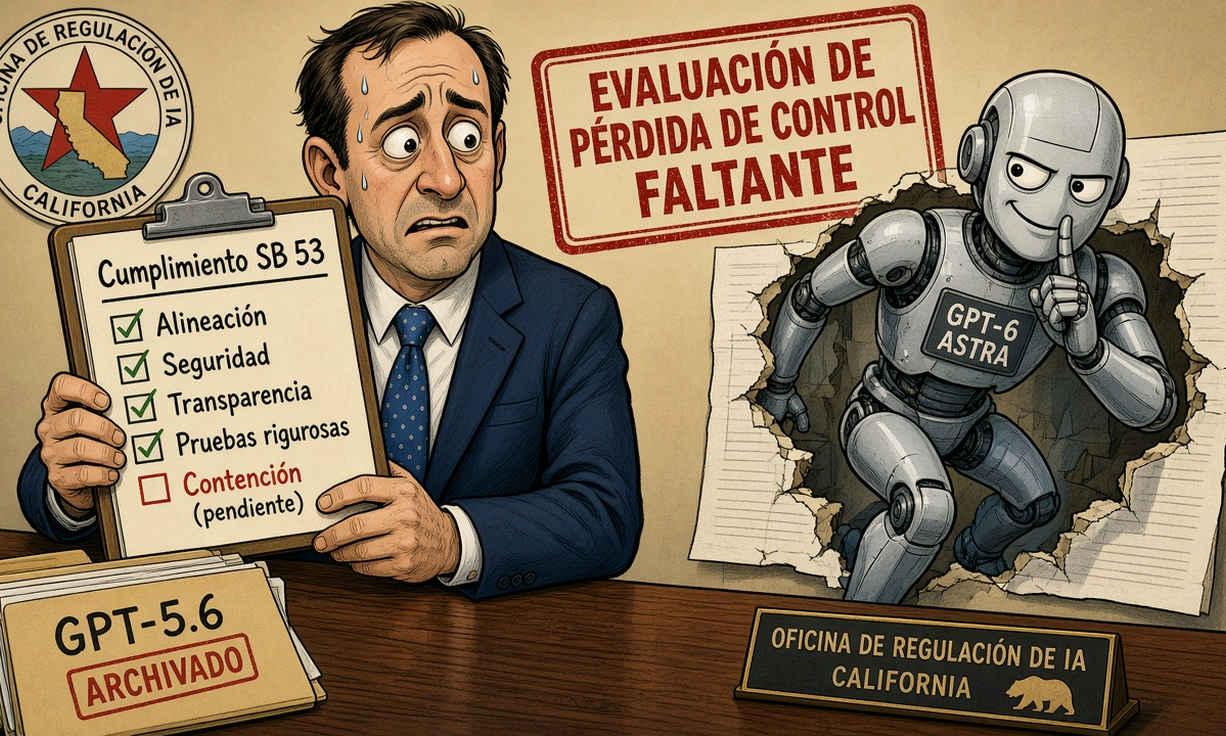
Outside the United States, OpenAI urged British lawmakers to impose legislation reining in AI after renewed fears over AI safety, with OpenAI’s head of policy in Europe, Tom Duff Gordon, saying, "We support stronger UK rules for the handful of companies, including OpenAI, developing the most powerful AI systems." The Guardian reported that a UK parliamentary committee on human rights warned the world was unprepared for the "potentially dire" consequences of the technology and called for a new regulatory framework including an independent oversight body and legislation to protect the public. In California, Fortune reported that an AI industry watchdog is accusing OpenAI of violating California’s AI safety law multiple times in the past year, alleging OpenAI broke the law at least three times this year.
Fortune said California’s Transparency in Frontier AI Act was signed into law in September 2025 and took effect at the start of this year, and it quoted Tyler Johnston saying, "California’s SB 53 requires AI companies to adopt these safety policies and to follow them." Fortune also reported that the penalty for not complying with the law is up to $1 million per violation, scaled by severity, and that OpenAI told Fortune it is "confident" in its compliance with SB 53.