Iran20 July, 20262 min read
Trump Orders Strikes After Iran Kills Three U.S. Servicemembers, U.S. Death Toll Reaches 17
This article is an automated aggregation of coverage from news outlets. Our editorials offer in-depth analysis curated by the NewsCord team.
Three U.S. service members killed; total U.S. death toll in Iran conflict reaches 17. Trump orders retaliatory strikes against Iran after the killings.
The Guardian was read line by line by the Watchdog: 4.6. See the score →
Deaths and strikes
The U.S.-Iran war has intensified after the deaths of three U.S. servicemembers over a 24-hour period, raising fears that President Trump could move toward further escalation even as both sides leave diplomatic doors open.
The servicemembers’ deaths brought the U.S. death toll in the Iran war to 17 since the conflict broke out in March, and the Pentagon said that since the U.S. military began daily waves of strikes against Iran on July 7, nearly 100 service members in the U.S. Central Command (Centcom) theater have sustained injuries with 96 percent returning to duty.

Trump responded to the deaths by launching strikes on Iranian military command centers, air defense and coastal surveillance sites, maritime capabilities, missile and drone launch sites, and communications networks over the weekend.
In a TruthSocial post on Monday, Trump warned, "every time Iran kills an American Soldier they will pay for that killing many times over!"
Diplomacy and economic strain
Even with the spike in hostilities, Secretary of State Marco Rubio told reporters over the weekend that the door was still open to talks with Iran, saying, "If that door opens, we’ll be happy to see it open."
Iran’s Foreign Ministry spokesman Esmail Baghaei said on Monday that the two countries were still exchanging messages through mediators, adding, "the diplomatic apparatus has been active in recent days".
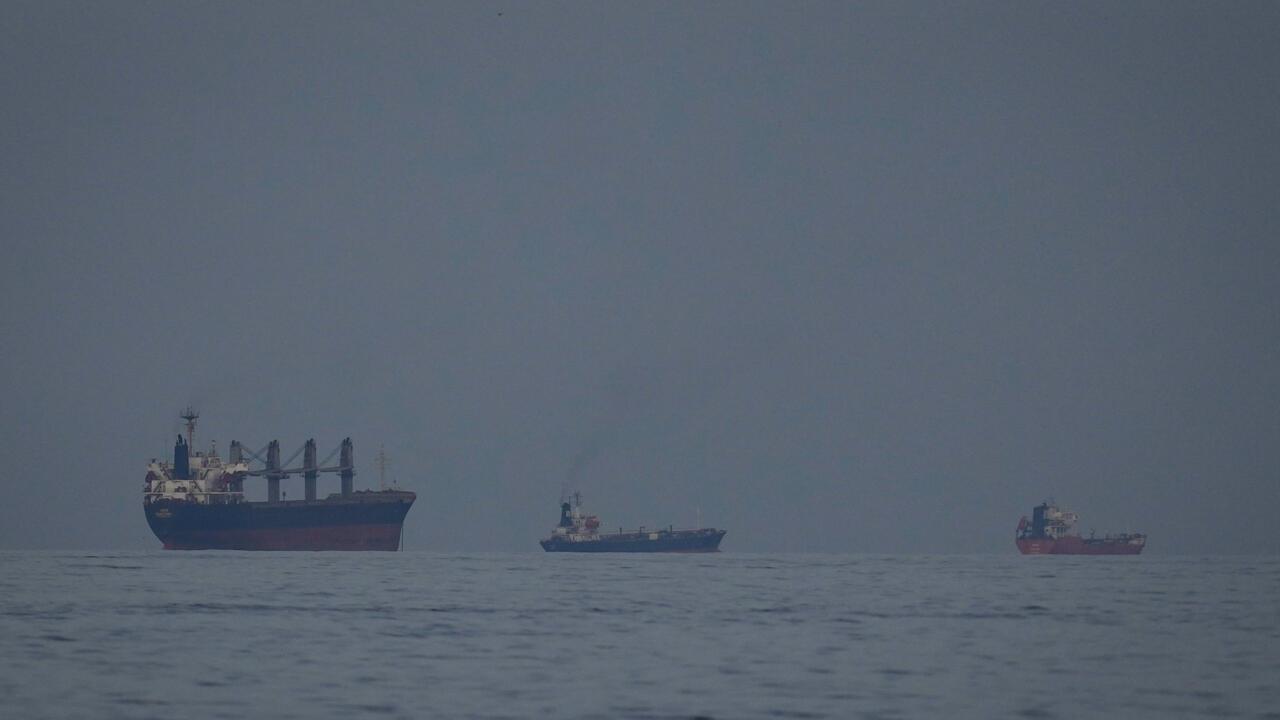
At the same time, CNBC reported that the U.S. completed its 10th straight night of strikes against Iran on Monday, and it linked the renewed fighting to Wall Street reconsidering expectations for the war’s economic impact.
CNBC also said Brent crude briefly topped $90 a barrel on Monday and that the U.S. 10-year Treasury yield traded above 4.6% on Monday, while Art Hogan of B. Riley Wealth said, "It’s about duration."
Inflation, households, and risk
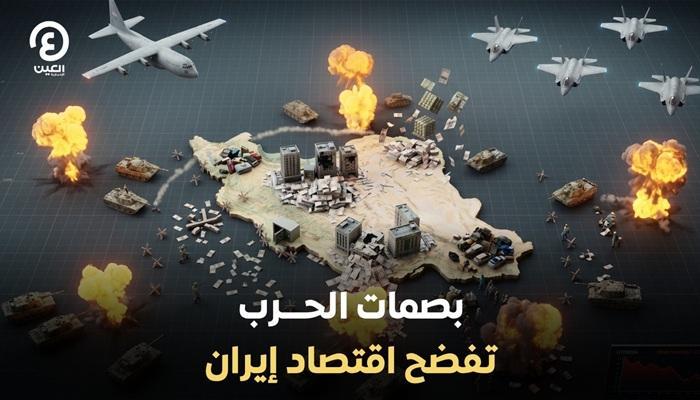
Iranian economists warned that renewed conflict with the United States risks pushing Iran’s long-festering economic problems into a more dangerous phase, with former presidential adviser Masoud Nili saying the economy was moving from "chronic but manageable malaise into an active crisis." The same conference in Tehran included Former Central Bank Governor Hossein Abdoh Tabrizi arguing that banking reform was essential and that financial institutions must become "efficient allocators of capital rather than money-printing engines."
In the United States, Fortune reported that UBS’s top economist Paul Donovan warned that “economic gravity” will catch consumers if oil prices remain elevated, writing that “this cannot be sustained indefinitely if oil prices remain elevated.” Fortune said gas prices hit $4 this morning and that a regular gallon of gas was $3.87 a week ago, while it also cited Brent Crude at $88 this morning and an overnight high of $91.